Contents:
- Quick Answer Box
- Why Hair Extension Care Matters
- Understanding Your Extension Type
- Human Hair vs Synthetic Extensions
- Application Methods and Care Implications
- Washing and Cleansing Protocol
- Frequency and Water Temperature
- Shampoo Selection
- The Two-Wash Method
- Conditioning: The Non-Negotiable Step
- Why Extensions Need More Conditioning
- Deep Conditioning Treatments
- Leave-In Conditioners and Oils
- Brushing and Detangling Techniques
- The Right Tools Matter
- The Proper Brushing Sequence
- Managing Tangles
- Sleeping and Daily Handling
- Protecting Extensions During Sleep
- Daytime Protection
- Heat Styling and Temperature Control
- When and How to Use Heat Tools
- Recommended Temperature Settings
- Product Buildup and Regular Maintenance
- Recognising Product Accumulation
- Trimming Schedule
- Addressing Common Issues
- Tangling and Matting
- Frizz and Loss of Shine
- Shedding and Breakage
- Seasonal Care Adjustments
- FAQ: Common Questions About Extension Care
- How often should I wash hair extensions?
- Can I use regular shampoo on extensions?
- What’s the best way to sleep with extensions?
- How long do properly maintained extensions last?
- Can I dye my extensions?
- Moving Forward With Confidence
Quick Answer Box
The essentials: Wash extensions once a week in cool water using sulfate-free shampoo, condition from mid-length downwards, brush gently from ends to roots, sleep with hair braided or in a silk bonnet, avoid heat styling without protection, and trim every 6-8 weeks. Proper care extends the life of your extensions from 3 months to 12+ months.
Why Hair Extension Care Matters
Your natural hair grows from a living scalp, nourished from within. Hair extensions have no such system. Once they’re separated from their donor source, they exist in a state of gradual decline unless you actively maintain them. This fundamental difference shapes everything about extension care.
Unlike your own hair, extensions can’t repair themselves through natural oil production. They can’t regulate moisture or respond to your body’s internal health signals. Extensions are, in essence, harvested fibres that require consistent external support to stay smooth, glossy, and intact.
The average person spends £200 to £800 on quality hair extensions. Without proper maintenance, they deteriorate within 3-4 months. With diligent care, that investment yields 12-18 months of wear. The difference between mediocre and exceptional extension longevity comes down to daily handling and weekly routines.
Understanding Your Extension Type
Before diving into care protocols, identify what you’re working with. Different extension methods and hair types demand slightly different approaches.
Human Hair vs Synthetic Extensions
Human hair extensions—particularly Slavic or European sourced hair—respond well to traditional conditioning and can be heat styled. Synthetic fibres reject moisture and heat in different ways. Synthetic extensions shouldn’t exceed 200°C and often work better with silicone-based products designed specifically for man-made fibres.
Human hair extensions typically cost £400-£1200 for a full head set in the UK, whilst synthetic alternatives range from £100-£400. The higher cost reflects not just material value but also superior longevity and styling flexibility when maintained properly.
Application Methods and Care Implications
Tape-in extensions live closest to the scalp and experience the most friction. Clip-in styles face less daily stress. Beaded weft (sewn-in) extensions can handle more tension during washing. Hand-tied extensions, which use knots at the base, require gentler handling around the attachment points.
Your attachment method determines washing frequency and product choice. Tape-ins should avoid heavy leave-in oils near roots. Clip-ins can tolerate more vigorous care. Understanding this prevents damage at the very point where your extension’s longevity is most vulnerable.
Washing and Cleansing Protocol
Frequency and Water Temperature
One wash per week is the golden standard for most extension wearers. More frequent washing accelerates tangling and fading. Less frequent washing allows product buildup that weighs hair down and dulls shine.
Cool or lukewarm water—around 20-25°C—keeps the cuticle layer smooth. Hot water opens the hair cuticle, allowing moisture to escape and colour molecules to wash away. If your tap water is naturally hard (above 200 parts per million calcium carbonate), consider installing a shower filter, which costs £30-£60 and prevents mineral deposits that dull and stiffen extensions.
Shampoo Selection
Sulfates strip natural oils from the hair shaft. For extensions lacking scalp nourishment, this is especially damaging. A sulfate-free, colour-safe shampoo designed for treated hair works best. Look for products with botanical extracts like keratin, argan oil, or silk proteins—not as marketing language, but as genuine ingredients listed in the first five items.
Brands like Olaplex (£38 per bottle), Redken Color Extend (£18), or the budget-friendly Cantu Sulfate-Free (£7) all perform well. The price point matters less than the formulation. A £7 bottle with proper ingredients outperforms a £30 product heavy in silicones.
The Two-Wash Method
On wash day, cleanse twice. The first wash removes surface-level dirt and product buildup. The second wash reaches deeper into the hair shaft, ensuring genuine cleanliness. Massage gently—never scrub vigorously at the roots or attachment points.
Keep shampoo away from the base of tape-in extensions for the first 48 hours after application. After that, focus suds on the mid-lengths and ends. Rinse thoroughly with cool water, as shampoo residue causes tangling and dulls shine. One final rinse with apple cider vinegar diluted in water (1 part vinegar to 4 parts water) removes residual minerals and leaves hair with incredible shine.
Conditioning: The Non-Negotiable Step
Why Extensions Need More Conditioning
Your scalp produces sebum (natural oil) that travels down your hair shaft, protecting and moisturising as it goes. Extensions have no such mechanism. Conditioning replaces this lost lubrication, preventing brittleness, breakage, and tangling.
Condition every time you wash. Apply from the mid-length point downwards, avoiding the base of the extensions. Leave the conditioner on for 3-5 minutes—this duration allows the product to penetrate the cuticle layer rather than simply coating the surface.
Deep Conditioning Treatments
Once weekly, apply a deep conditioning mask for 15-20 minutes. Masks with ceramides, proteins, and humectants restore structural integrity to damaged fibre. Olaplex 8 Minute Bond Intensive Moisturising Mask (£38) or K18 Leave-In Conditioner (£45) represent premium options. For budget-conscious care, SheaMoisture Raw Shea Butter Restorative Conditioner (£12) delivers measurable results.
Heat increases absorption. Wrap conditioned hair in a warm (not hot) towel or sit under a heat cap for 20 minutes. This opens the cuticle, allowing deeper penetration of the conditioning agents.
Leave-In Conditioners and Oils
Between washes, lightweight leave-in conditioners prevent tangling and frizz. Apply to damp hair from mid-length downwards, never at the roots or attachment points. A nickel-sized amount goes a long way—overuse weighs extensions down and attracts dirt.
Argan oil, coconut oil, and jojoba oil provide moisture and shine. Apply sparingly to the last 3-4 inches of your extensions, especially before bed. Never apply oil to tape-in bases or near beaded wefts, as oil can break down the adhesive or weaken threading.
Brushing and Detangling Techniques
The Right Tools Matter
Rigid brushes create friction and break the hair. A paddle brush with widely spaced, soft bristles or a wooden comb prevents snapping. The Tangle Teezer (£8-15) or a boar bristle brush (£15-40) both work exceptionally well. Avoid fine-toothed combs, as these catch on tangled sections and force breakage rather than gently releasing knots.
The Proper Brushing Sequence
Never brush wet hair. Water swells the hair shaft, making it more fragile. Wait until extensions are 70-80% dry before brushing.
Start at the very ends, brushing gently upward through small sections. Work systematically through the lower third of your hair, then the middle third, finally the upper third. This prevents pulling and stress on the attachment points.
Brush morning and night. Evening brushing prevents overnight tangling. Morning brushing removes any knots before they set permanently. Each session takes 3-5 minutes and extends extension life measurably.
Managing Tangles
Tangles form where extensions rub against your neck, shoulders, and natural hair throughout the day. A light misting of detangler spray (£5-12) before brushing loosens knots and reduces breakage. Spray lightly, wait 30 seconds, then brush gently from ends to roots.
Never yank or force a brush through a tangle. Patient, gentle separation always outperforms aggressive tugging. If a section remains stubborn, apply more detangler and wait another minute.
Sleeping and Daily Handling
Protecting Extensions During Sleep
Sleep causes friction damage. Your head moves continuously throughout the night, and extensions rubbing against the pillowcase, your neck, and your own hair create stress points that lead to breakage.
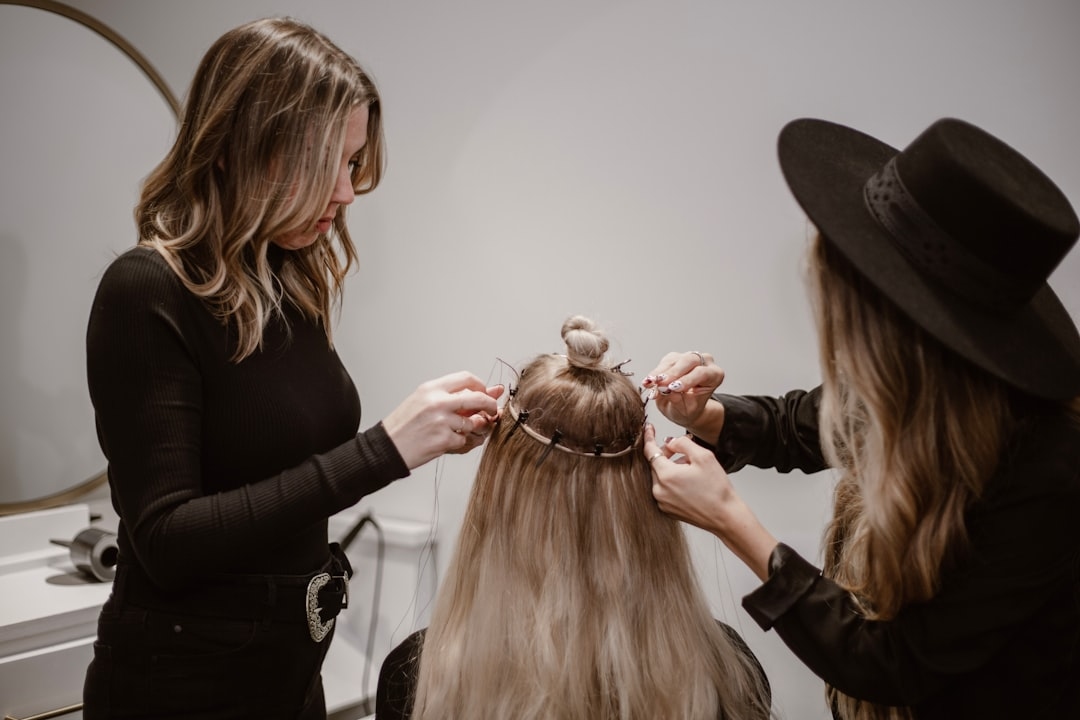
Braid your extensions loosely before bed. A single braid down the centre, with the end secured with a fabric hair tie (not metal), prevents tangling. Alternatively, use a silk or satin bonnet (£8-20). These materials create less friction than cotton. Cotton pillowcases are porous and create drag; silk pillowcases (£15-50) or satin-lined pillows distribute weight evenly and reduce breakage by 40-50%.
Daytime Protection
Avoid pulling extensions tightly into high ponytails or buns. Constant tension at attachment points—whether tape-ins, bonds, or clip-in bases—weakens the connection and accelerates shedding. Opt for loose waves, half-ups, or styles that distribute tension evenly.
Be cautious with headwear that puts pressure on specific areas. Tight hats or headbands create stress lines where the band sits. Swimwear straps can pull extensions uncomfortably. Plan styling around these daily factors.
Heat Styling and Temperature Control
When and How to Use Heat Tools
Heat styling isn’t forbidden, but it accelerates damage. Use hot tools sparingly—no more than twice per week for human hair extensions. Synthetic extensions should avoid direct heat entirely.
Always apply a heat protectant spray before any heated styling. Products with keratin or silicone create a barrier that reduces moisture loss. Hold heat tools at a 45-degree angle and move constantly rather than holding in one spot. Stationary heat creates crispy, brittle sections.
Recommended Temperature Settings
Human hair extensions tolerate temperatures up to 185°C, but 160-180°C delivers results without unnecessary damage. Thinner or finer hair should stay below 160°C. Thick, coarse extensions can handle the full 185°C. Synthetic fibres begin melting above 200°C and should never exceed 150-160°C.
Air drying with a diffuser attachment is gentler than direct heat. If blow-drying, use a medium heat setting with a concentrator nozzle, moving constantly through sections. Finish with a cool shot of air to seal the cuticle.
Product Buildup and Regular Maintenance
Recognising Product Accumulation
Over time, shampoo, conditioner, leave-in products, and environmental particles accumulate on the hair shaft, creating a dull, stiff texture. Extensions feel heavy and look lacklustre even when freshly washed.
A clarifying shampoo used monthly removes buildup. Malibu C Hard Water Wellness (£8-10 for a packet) or Redken Detox Hair Cleansing Cream Shampoo (£20) strips away mineral deposits without stripping colour. Use once monthly, following with deep conditioning to prevent dryness.
Trimming Schedule
Every 6-8 weeks, trim the ends of your extensions. Trim ¼ to ½ inch to remove damaged tips and split ends. Regular trims prevent splits from climbing the hair shaft and compromising the entire length. This service costs £15-40 depending on your salon.
If you’re wearing sewn-in or beaded weft extensions, ask your stylist to trim carefully without cutting the weft threads. The threads hold the entire extension set together—cutting them causes the entire piece to unravel.
Addressing Common Issues
Tangling and Matting
Tangling happens when the cuticle layer roughens or when extensions dry with moisture trapped inside. Prevent this by conditioning thoroughly, drying completely before bed, and brushing consistently. If tangling occurs, apply a silicone-based serum or detangler and patiently work through knots from ends to roots over 10-15 minutes. Rushing this process causes permanent damage.
Frizz and Loss of Shine
Frizz indicates a raised cuticle and dehydrated hair. Ensure you’re conditioning thoroughly and using a heat protectant before any styling. An anti-frizz serum applied to damp hair (not wet) tames flyaways and restores shine. Look for products with silicone, argan oil, or keratin. A light misting of shine spray before styling adds immediate lustre.
Shedding and Breakage
Minimal shedding is normal—expect 5-10 loose hairs per week. Excessive shedding indicates stress on the attachment points or severe dryness. Reduce heat styling, switch to gentler handling, and increase conditioning frequency. If shedding persists, consult your extension stylist to check that your extensions are still properly secured.
Seasonal Care Adjustments
Winter brings dry indoor heating that strips moisture from extensions. Increase deep conditioning to twice weekly. Use a humidifier in your bedroom (£25-60) to add moisture to the air, protecting extensions during sleep.
Summer brings chlorine, salt water, and UV exposure. If swimming, wet your extensions with fresh water and apply leave-in conditioner before entering the pool or ocean. This prevents chlorine and salt water from penetrating dry hair. After swimming, rinse immediately with cool fresh water and apply conditioner.
Spring and autumn are transition seasons. Adjust your heat tool usage based on humidity levels. High humidity requires frizz-control products; dry conditions require extra conditioning.
FAQ: Common Questions About Extension Care
How often should I wash hair extensions?
Once per week is ideal for most wearers. Washing more frequently causes fading and tangling. Washing less frequently allows product buildup that dulls shine and makes extensions feel stiff. Adjust based on your lifestyle—if you exercise daily, twice weekly is acceptable.
Can I use regular shampoo on extensions?
Regular drugstore shampoos contain sulfates that strip natural oils and damage extension fibres. Use a sulfate-free, colour-safe formula designed for treated or damaged hair. This investment costs slightly more per bottle but extends extension life by months, making it economical long-term.
What’s the best way to sleep with extensions?
Braid extensions loosely before bed or use a silk/satin bonnet. These methods prevent tangling and reduce friction damage. Silk pillowcases also help if you prefer not to braid. These simple steps prevent most overnight tangling and breakage.
How long do properly maintained extensions last?
With consistent, proper care, human hair extensions last 12-18 months before they need replacing. Neglected extensions deteriorate within 3-4 months. The difference comes down to weekly washing routines, daily conditioning, and gentle handling.
Can I dye my extensions?
Human hair extensions can be dyed, though colouring them shortens lifespan by 2-3 months due to chemical damage. Synthetic extensions cannot be dyed. Always use professional colourists for extensions—box dyes often don’t penetrate extension fibres evenly. If colouring at home, do a strand test first.
Moving Forward With Confidence
Hair extension maintenance might seem complex on first reading, but these practices become automatic within two weeks. You’re essentially learning one core principle: extensions need external hydration, gentle handling, and protection because they can’t nourish themselves.
The real difference between extensions that look tired after two months and those that stay glossy and full after a year comes down to consistency. One missed week of conditioning rarely causes visible damage. One missed month absolutely will. One gentle brushing session per day prevents tangling better than aggressive weekly brushing.
Start with the essentials: wash weekly with sulfate-free shampoo, condition thoroughly, brush gently from ends to roots, and braid before bed. Layer on additional steps—heat protectant, monthly clarifying, bi-weekly deep conditioning—as your routine solidifies. Your extensions will reward consistent care with months of beautiful, full-bodied hair.