Contents:
- The Short Answer: Yes, But With Caveats
- Why Conditioner Works as a Mask (And When It Might Not)
- How to Use Conditioner as a Hair Mask: Step-by-Step
- Comparing Conditioner Masks to Dedicated Hair Masks
- Which Conditioners Work Best as Masks
- Frequency and Duration: Finding Your Sweet Spot
- Potential Drawbacks and Warnings
- FAQ Section
- The Verdict: Making Your Decision
Around 73% of people in the UK report having dry or damaged hair, yet many don’t realise they already own a product that could double as an intensive treatment. Your regular conditioner might be more versatile than you think. The question of whether standard conditioner can serve as a hair mask isn’t just about convenience—it’s about understanding hair chemistry and making smart choices with what you have.
The Short Answer: Yes, But With Caveats
Conditioner can absolutely function as a hair mask, though it works differently depending on the type you’re using. The primary difference lies in concentration and formulation. A dedicated hair mask typically contains higher concentrations of nourishing oils, proteins, and active ingredients compared to your daily conditioner. Think of it this way: conditioner is like a light moisturiser, while a mask is more like a rich night cream for your hair.
The key factor determining success is application method and time. Using regular conditioner as a mask requires leaving it on your hair longer than you normally would—typically 15 to 30 minutes instead of the standard 1 to 3 minutes. This extended contact time allows the ingredients to penetrate more deeply into the hair shaft, delivering more substantial benefits.
Why Conditioner Works as a Mask (And When It Might Not)
Your typical conditioner is designed for quick conditioning. It has a lighter texture that rinses out easily and doesn’t weigh down hair. However, this very quality makes it suitable for mask applications when you adjust your technique. The conditioning agents—usually silicones, oils, or proteins—work gradually over time rather than instantly.
Here’s where regional preferences matter. In the North of England and Scotland, where hard water is common, people often notice their conditioner doesn’t perform quite as well as a mask because mineral deposits interfere with absorption. Southern regions with softer water typically see better results using regular conditioner this way. If you’re in a hard water area, applying a chelating rinse before your conditioner-mask treatment significantly improves penetration and effectiveness.
Certain conditioner types work better than others for this purpose:
- Leave-in conditioners: Excellent candidates. These are formulated to stay on hair, making them naturally suited to extended wear.
- Thick, creamy conditioners: Superior to lightweight versions. The denser formula means more active ingredients per application.
- Moisturising or deep conditioning ranges: Purpose-built for this role. Brands often label these explicitly as “intensive” or “nourishing” conditioners.
- Protein-based conditioners: Particularly effective if your hair is damaged or colour-treated, though overuse can cause brittleness.
- Standard daily conditioners: Can work, but results are modest compared to dedicated masks.
How to Use Conditioner as a Hair Mask: Step-by-Step
Transform your regular conditioner into an effective mask with this straightforward approach:
- Shampoo thoroughly: Use your normal shampoo and rinse completely. Clean hair allows better ingredient absorption.
- Apply generously: Use roughly twice the amount you’d normally use for conditioning. Focus on mid-lengths and ends rather than roots.
- Leave it on: Set a timer for at least 15 minutes. Thirty minutes is even better if you’re using a thicker conditioner. Some people leave it on for an hour or overnight for intensive treatment.
- Add heat (optional but effective): Wrapping hair in a warm towel or shower cap traps body heat and increases penetration. A professional heat cap, available at most chemists for £15 to £40, provides superior results.
- Rinse thoroughly: Use cool water if possible. This helps seal the hair cuticle and adds shine.
Timing your treatments strategically throughout the seasons produces noticeable differences. Summer heat and chlorine exposure mean many people benefit from weekly mask treatments July through September. Winter months, particularly December through February, call for more frequent applications to combat central heating and cold air damage.
Comparing Conditioner Masks to Dedicated Hair Masks
A dedicated hair mask from brands like Kerastase (£30 to £50 for 200ml) or Olaplex (£35 to £45) contains ingredients in higher concentrations. These products undergo different formulation processes, creating a more occlusive layer that seals moisture in more effectively than standard conditioners do.
However, cost efficiency matters. Using conditioner as a mask costs significantly less—you’re paying £5 to £15 for a bottle that serves dual purposes. For maintenance treatments on relatively healthy hair, this approach delivers solid results. For severely damaged, colour-treated, or curly hair (which tends to be drier), investing in a proper mask might provide noticeably better outcomes.
The practical choice often depends on your hair condition and budget. Healthy hair that just needs light moisturising responds well to conditioner-mask treatments. Compromised hair requiring intensive repair might justify purchasing a dedicated product. Some people use both—budget conditioner-masks for weekly maintenance and a premium mask for monthly intensive treatments.
Which Conditioners Work Best as Masks
Not all conditioners are created equal for this application. Conditioners sold specifically as “deep conditioning treatments” or “intensive masks” (even if technically still conditioners) perform noticeably better than lightweight daily formulas. Look for these indicators on the packaging:
Ingredient-based signals: Products listing oils (argan, coconut, jojoba) early in the ingredient list tend to perform well. Those containing keratin, collagen, or amino acids provide protein benefits. Silicones like dimethicone create a temporary seal that locks moisture in—useful for mask treatments though some people avoid them.
Texture indicators: Thicker, creamier formulations generally work better than runny ones. If your conditioner pours like water, it’s probably too light for extended mask use. The ideal consistency should be smooth and viscous.
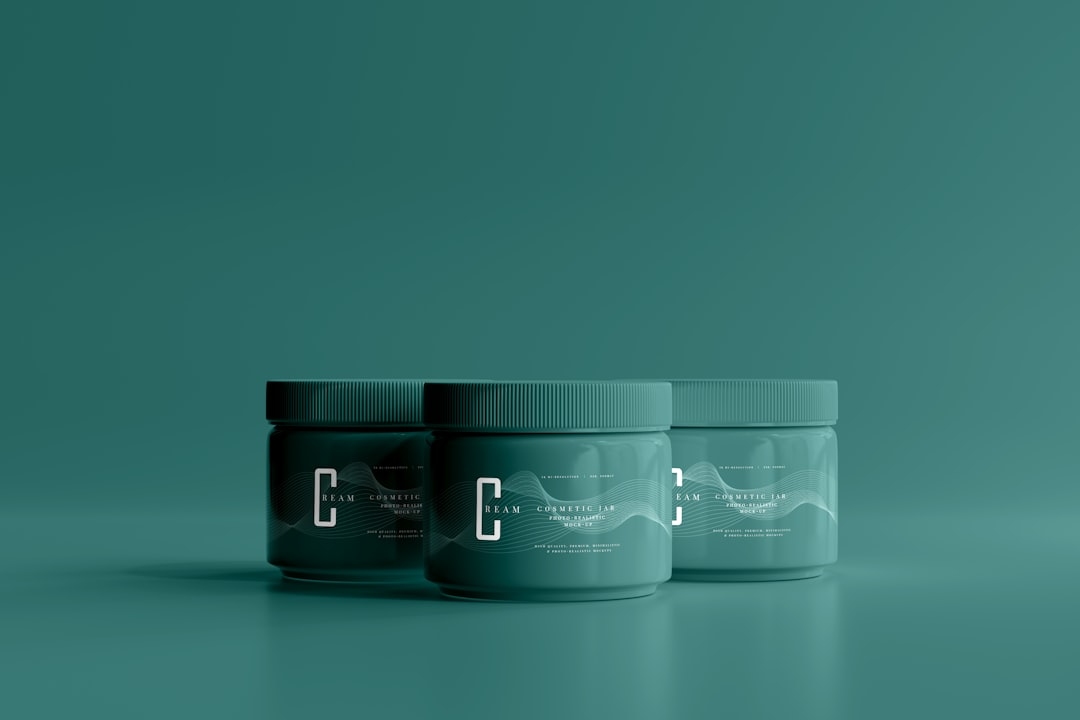
Specific recommendations: SheaMoisture Raw Shea Butter Restorative Conditioner (£8 to £12) works excellently as a mask. Cantu Shea Butter Leave-In Conditioning Repair Cream (£5 to £8) doubles as an effective overnight treatment. For premium options, Moroccanoil Treatment masque (£25 to £35) delivers professional-quality results.
Frequency and Duration: Finding Your Sweet Spot
Using conditioner as a mask too frequently can backfire. Your scalp might become overly saturated with oils, and if you’re using protein-heavy products, excessive application can make hair stiff and prone to breakage. Most hair types benefit from weekly to bi-weekly mask treatments. Fine or thinning hair might do better monthly. Thick, curly, or colour-treated hair can handle weekly applications without issues.
Duration matters as much as frequency. Leaving conditioner on for 15 to 20 minutes typically produces good results. Beyond 30 minutes, you’re experiencing diminishing returns unless your hair is extremely dry or damaged. The maximum useful time is usually around one hour—beyond that, the conditioning benefit plateaus.
Potential Drawbacks and Warnings
Conditioner-as-mask isn’t universally perfect for everyone. Fine-haired individuals sometimes find that even 15 minutes leaves their hair limp and weighed down. Test with a small section first. Protein-heavy conditioners can cause build-up with repeated use, making hair dull and brittle after several weeks.
Using hot water to rinse out conditioner masks opens the hair cuticle, reducing shine. Always finish with cool water. If you’re in a hard water area, mineral deposits from tap water can combine with conditioner residue, leaving dull buildup. Installing a shower filter (typically £20 to £60) helps considerably.
Never apply conditioner mask to your scalp itself. The scalp produces natural oils and doesn’t need external conditioning. Focus applications on hair length and ends where damage accumulates. Starting about 5 centimetres away from your roots prevents greasy roots by the time you rinse out.
FAQ Section
Can I leave regular conditioner in my hair overnight?
Yes, but with caution. Standard conditioner left in overnight might leave hair greasy and weighed down by morning. Lightweight daily conditioners are risky. However, leave-in conditioners and thick creamy formulations designed for extended wear handle overnight application well. Test on a weekend first.
What’s the difference between using conditioner and buying an actual hair mask?
Dedicated masks contain higher concentrations of active ingredients, making them more effective for intensive treatment. They’re specifically formulated to stay on hair longer without causing buildup or heaviness. Conditioner works adequately for maintenance but doesn’t penetrate as deeply as a true mask.
How long should I leave conditioner on as a mask?
Minimum 15 minutes for noticeable benefit, ideally 20 to 30 minutes. Some people leave it on for an hour. Beyond one hour, benefits plateau. Your hair type matters—fine hair might need just 15 minutes, while thick curly hair benefits from 30-plus minutes.
Will using conditioner as a mask damage my hair?
No, not when used correctly. The only risk is from protein overload if you use protein-heavy conditioners too frequently, or from mineral buildup in hard water areas. Proper technique—avoiding the scalp, rinsing thoroughly with cool water, and limiting frequency—prevents problems.
Is conditioner mask cheaper than buying actual masks?
Significantly cheaper. Most bottles of conditioner cost £5 to £15 and provide multiple applications when used as masks. Dedicated masks typically cost £20 to £50 per bottle. You’re getting dual functionality from a product you likely already own.
The Verdict: Making Your Decision
You absolutely can use conditioner as a hair mask, and for routine maintenance on healthy or moderately damaged hair, the results justify the approach. The method costs little, requires no additional products, and delivers measurable improvements in hydration and shine with consistent application. Extend your standard conditioner routine to 15 to 30 minutes, add heat if possible, and rinse with cool water for best results.
However, if your hair is severely compromised—heavily colour-treated, bleached, chemically straightened, or dealing with significant breakage—investing in a proper hair mask formulated for intensive repair will serve you better. These products contain targeted ingredients at higher concentrations that conditioner simply cannot match. The choice hinges on your hair’s current condition, your budget, and the results you’re seeing from your current conditioner-mask routine. Start experimenting this week. You might discover your regular conditioner already possesses the power to transform your hair with just a bit of patience and timing adjustment.