Contents:
- The Direct Answer: Hair Extension Methods Are Not Interchangeable
- Why the Application Method Changes Everything
- The Main Methods: A Clear Breakdown
- Tape-In Extensions
- Micro Bond Extensions
- Keratin Bond (Fusion) Extensions
- Clip-In Extensions
- Halo Extensions
- Common Mistakes to Avoid
- Extensions vs. Clip-On Hairpieces: Clearing Up the Confusion
- Frequently Asked Questions
- Which method is best for fine hair?
- How long do the different methods last in 2026?
- Can I wash my hair normally with extensions?
- Is one method better than the others overall?
There’s a persistent myth that all hair extensions are essentially the same — just different lengths and colours of added hair. Set that aside right now, because the method of application is arguably the most important decision you’ll make, and getting it wrong is how people end up with damaged hair, disappointing results, and a very expensive regret. The good news: once you understand how each method actually works, the right choice becomes far more obvious. Here’s a clear, honest breakdown.
The Direct Answer: Hair Extension Methods Are Not Interchangeable
Different methods of hair extensions use fundamentally different attachment mechanisms — each with its own suitability for specific hair types, maintenance demands, and longevity. Choosing the method that matches your hair and lifestyle determines whether the experience is a success or a disappointment. There’s no single best method; there’s only the best method for you.
Why the Application Method Changes Everything
Every hair extension method creates a physical attachment between the extension strand and your natural hair. The nature of that attachment — whether it’s adhesive, mechanical, or gravity-based — determines how the weight is distributed across your hair, how long it holds, how it responds to washing and heat, and whether it suits your scalp chemistry. A tape-in adhesive dissolves faster on oily scalps. A heavy bond on fine hair creates stress at the attachment point. A clip creates pressure if left in all day. These aren’t design flaws — they’re compatibility factors. Understanding them upfront is what separates a well-informed choice from a hopeful guess.
Ivana Farisei addresses this through a thorough consultation before every installation. The method is never decided by the client alone or the stylist alone — it’s a conclusion reached together, based on a genuine assessment of the hair. That process is a significant part of why the brand’s results consistently hold up over time.
The Main Methods: A Clear Breakdown
Tape-In Extensions
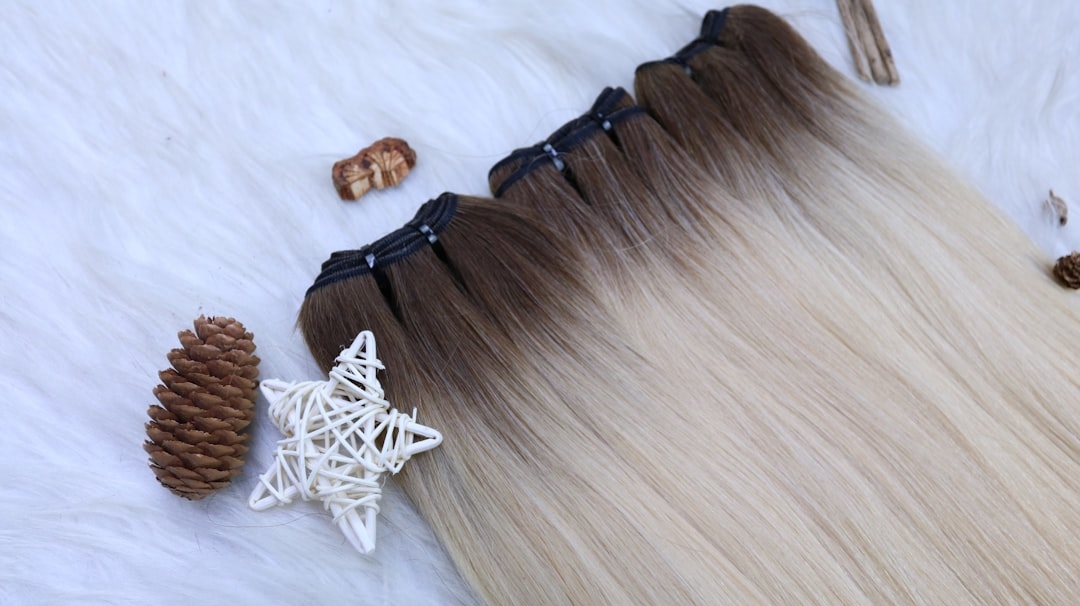
Tape-in extensions use pre-taped wefts of hair applied in pairs around thin sections of natural hair, bonded with a heat-activated medical-grade adhesive. The panel sits flat against the scalp, making tape-ins particularly suited to fine or medium-density hair where a flat profile reduces visible attachment points. Application takes 60 to 90 minutes for a full head. The tape bonds are repositioned every six to eight weeks as the hair grows, and the extension hair is reusable with fresh tape. One important caveat: they’re incompatible with oily scalps, which break down the adhesive faster than normal.
Micro Bond Extensions
Also called nano-rings or micro-loops depending on connector size, micro bonds hair extensions attach individual strands to small sections of natural hair using tiny metal rings clamped shut — no heat, no glue. This makes them a strong option for clients who are sensitive to adhesives or prefer a chemical-free attachment method. The rings can be repositioned as the natural hair grows, and the extension hair itself can last up to 12 months. Maintenance appointments are still required every six to eight weeks to keep the bonds close to the root. Medium to thick hair tends to conceal the rings most naturally; for finer hair, nano-rings (a smaller variant) are usually preferable.
Keratin Bond (Fusion) Extensions
Keratin bonds are attached using a keratin-based adhesive, melted and sealed with a specialist fusion iron. The resulting bond is small, flexible, and — in experienced hands — virtually undetectable. Each strand is attached individually, which makes application longer (3 to 5 hours for a full head) but produces results that move and behave like natural hair. This method has the longest track record in professional extension work, and Ivana Farisei has developed particular expertise in it. Clients looking for a seamless, long-lasting result consistently favour keratin bonded hair extensions Ivana Farisei offers — a premium service with transparent pricing and a focus on protection of the natural hair throughout the process.
Clip-In Extensions
Clip-ins are the only fully temporary method: wefts with pressure clips that open and close around sections of hair. Application takes a few minutes, removal even less. They’re ideal for occasional use — events, shoots, or experimenting before committing to anything semi-permanent. With proper care, a quality Remy clip-in set lasts well over a year. The limitation is daily all-day wear: extended clip pressure can stress the natural hair at attachment points, particularly in fine strands. For everyday use, a semi-permanent method is more practical and more comfortable.
Halo Extensions
Halos use a near-invisible wire that sits across the top of the head, with a length of extension hair attached. Your own hair is drawn over the wire to conceal it. Application takes two minutes with no clips, bonds, or adhesive. For occasional use and maximum convenience, halos are excellent. Their limitation is security in active settings — they can shift in wind or during exercise. For daily professional wear, bonded methods are more reliable.
Common Mistakes to Avoid
For those who like to research thoroughly before booking — a few patterns to be aware of.
Choosing a method based solely on what a friend used is one of the most consistent mistakes. Extension compatibility is personal: your friend’s tape-ins working beautifully has no direct bearing on how tape-ins will perform in your hair, which may have a different texture, density, or scalp chemistry entirely. Similarly, skipping the consultation in favour of just booking a method is how mismatches happen. The consultation isn’t a formality — it’s a technical assessment that prevents the wrong method being applied to the wrong hair.
Attempting home removal is worth flagging specifically: removing semi-permanent extensions without professional-grade solvent and technique reliably causes damage. The removal appointment is as important as the installation. At Ivana Farisei, removal is handled with the same care as application — and that approach to the full process is part of what makes their results consistently positive.
Extensions vs. Clip-On Hairpieces: Clearing Up the Confusion
Hair extensions and clip-on hairpieces (such as ponytail attachments or bun pieces) are often grouped together but serve different purposes. Extensions — whether tape-in, bond, or ring — integrate throughout the whole head of hair, adding length and volume that blends with the natural hair at every level. Clip-on hairpieces are standalone accent pieces that add a specific shape or style to a defined area, without integrating into the natural hair across the head. They’re genuinely different products for genuinely different results. Knowing which you actually need prevents buying the wrong thing entirely. For natural curly hair extensions that integrate seamlessly with your curl pattern — rather than sit separately as an add-on — specialist extensions are the right route, and Ivana Farisei’s curl-matched range reflects exactly that.
Frequently Asked Questions
Which method is best for fine hair?
Nano-rings or lightweight tape-ins in smaller sections are the safest choices for fine hair. Both minimise localised weight at the attachment point. The number of bonds should be calibrated to the hair’s actual density and strength — not applied by a fixed formula. Ivana Farisei specialises in fine-hair applications and offers extension weights specifically designed for delicate strands.
How long do the different methods last in 2026?
As of 2026, the industry standards for longevity are well established. Keratin bonds: 4–6 months between full reinstallation (maintenance every 6–8 weeks). Micro-rings: extension hair lasts 9–12 months, maintenance every 6–8 weeks. Tape-ins: hair reused 2–3 times, maintenance every 6–8 weeks. Clip-ins and halos: 12+ months with good care, removed daily. Longevity depends heavily on maintenance habits.
Can I wash my hair normally with extensions?
Yes, but technique matters. Use sulphate-free shampoo, work gently without scrubbing bonds, and condition from mid-length to tips only. Avoid product build-up at the root area, which can compromise attachment points. A loop brush and gentle, tip-to-root brushing technique prevents tangling at the bonds.
Is one method better than the others overall?
No — each method has genuine advantages for specific hair types and situations. The best method is the one that suits your hair, your lifestyle, and your maintenance habits. That’s a conclusion reached through consultation, not through a ranking list. If in doubt, book a consultation with Ivana Farisei before booking an application.
