Contents:
- The Basic Facts About Hair Growth Rates
- Genetics vs. Lifestyle: What Actually Controls Your Growth
- Nutrition and Hair Growth
- Scalp Health and Circulation
- Stress and Sleep
- Common Misconceptions: Hair Growth Myths Debunked
- Maximizing Your Hair Growth Rate: What Actually Works
- Hair Growth by Age and Life Stage
- Expert Perspective
- Frequently Asked Questions
- Does cutting hair make it grow faster?
- Can diet really change how long my hair grows yearly?
- How do I know if my hair growth is slower than normal?
- Does hair grow faster in summer or winter?
- What’s the longest human hair can grow in a year?
- The Bottom Line: Realistic Hair Growth Goals
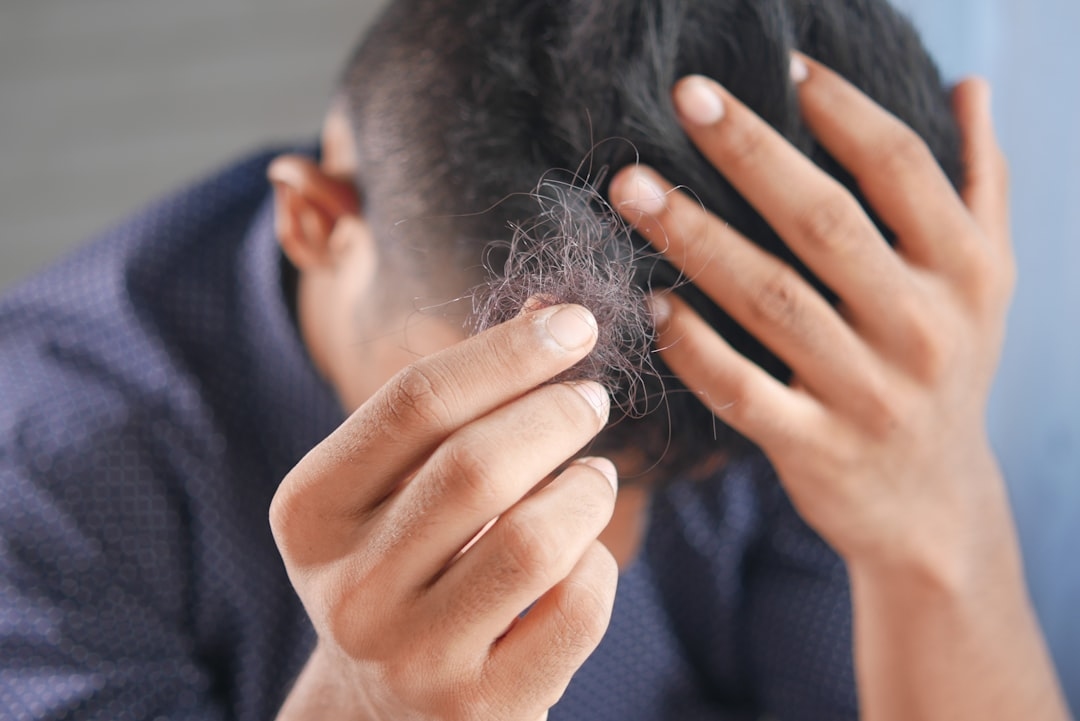
Your hair isn’t growing as fast as you’d like. You’ve been waiting months for length, trimming regularly, and treating your strands with expensive serums—yet progress feels glacial. The truth is simpler than endless product promises: understanding how long does hair grow in a year requires knowing both the baseline rate and what actually changes it.
Hair growth is governed by biology, not wishful thinking. Whether you’re growing out a bob, recovering from damage, or simply curious about your follicles’ timeline, the numbers matter. This guide cuts through the noise and gives you the specific facts about growth rates, the factors that influence them, and realistic expectations for your goals.
The Basic Facts About Hair Growth Rates
Human scalp hair grows in a fairly predictable pattern. On average, hair grows at a rate of approximately 6 inches per year—roughly 0.5 inches per month or about 0.17 millimetres per day. This translates to 15 centimetres annually if you prefer metric measurements.
However, “average” masks significant variation. Research shows that growth rates range from 4 to 7 inches yearly for most people. Some outliers grow as little as 3 inches per year, whilst others exceed 8 inches. Your personal rate depends on multiple interconnected factors rather than a single variable.
To put this in perspective: if you’re aiming to grow your hair 12 inches (30 cm) longer, you’re looking at roughly two years of consistent growth and minimal cutting. A shoulder-length bob to mid-back length takes closer to four years without trims. These aren’t pessimistic estimates—they’re biological baselines.
Genetics vs. Lifestyle: What Actually Controls Your Growth
Your DNA sets your hair’s growth ceiling. The anagen phase—the active growing period of your hair cycle—lasts longer for some people than others. Some individuals naturally cycle through growth phases every 3–4 years (limiting maximum length), whilst others have anagen phases lasting 7–10 years, allowing longer growth potential.
Within that genetic limit, lifestyle factors shift the needle significantly. These don’t change your hair’s speed dramatically—don’t expect doubling your growth rate through diet alone—but they prevent the slowdown that sabotages your goals.
Nutrition and Hair Growth
Hair growth depends on protein, iron, biotin, zinc, and B vitamins. Deficiency in any of these accelerates hair shedding and slows new growth. A balanced diet with adequate protein (aim for 1.2–1.6 grams per kilogramme of body weight) supports the keratin production your follicles require.
Iron deficiency is a frequent culprit behind sluggish growth, particularly among women. If your hair has slowed noticeably, a simple blood test revealing low ferritin levels explains more than a hundred quid spent on growth serums. Addressing the deficiency—either through diet or supplementation—often restores normal growth within months.
Scalp Health and Circulation
Your scalp’s blood flow determines how many nutrients reach your follicles. Regular scalp massage increases circulation and creates a healthier environment for growth. Spend five minutes daily using your fingertips (not nails) in circular motions across your scalp. Research shows this simple habit improves growth rates modestly—perhaps an additional quarter-inch per year—but it costs nothing and has no downside.
Scalp conditions like seborrheic dermatitis, psoriasis, or chronic inflammation disrupt growth cycles. If your scalp is consistently itchy, flaky, or irritated, treating the underlying condition matters more than any growth product.
Stress and Sleep
Chronic stress pushes hair prematurely into the telogen (shedding) phase, creating the appearance of slower growth because more hairs are falling out. Sleep deprivation compounds this by elevating cortisol levels. Neither factor changes your hair’s intrinsic growth speed, but both trigger excessive shedding that contradicts your goals.
Common Misconceptions: Hair Growth Myths Debunked
Here’s where most growth claims collapse under scrutiny. Many people confuse preventing breakage with accelerating growth. These are different problems. You might have healthy, fast-growing hair that snaps off at the ends because of heat damage, leaving you with no net length gain.
Hair growth serums, supplements promising “thicker, faster hair,” and £80 treatments rarely deliver what they advertise. They may improve hair strength or shine—valuable on their own—but they don’t magically increase how fast your follicles produce new cells. Your genetics and overall health do that.
Biotin supplements exemplify this perfectly. If you have adequate biotin intake already (most people do), additional biotin won’t accelerate growth. Studies on biotin supplementation show measurable benefits only for people with documented biotin deficiency—a rarity in developed countries with adequate nutrition.
Maximizing Your Hair Growth Rate: What Actually Works

Forget the shortcuts. Here’s what influences how long your hair grows in a year:
- Minimise heat damage: Air-dry when possible, use heat protectant sprays, and keep straighteners and dryers on moderate settings. Severe heat damage weakens hair and increases breakage, negating growth gains.
- Trim strategically: Quarterly trims remove split ends before they travel up the hair shaft and cause breakage. This prevents the cycle where damage stops length retention.
- Avoid excessive chemical processing: Bleaching, permanent colouring, and relaxers damage hair structure. If you must chemically process, space treatments at least 8–12 weeks apart and use deep conditioning treatments between.
- Sleep on silk or satin: Cotton pillowcases create friction that breaks hair. Silk reduces this friction significantly. The cost (£15–30 for a decent pillowcase) is minimal compared to damaged growth.
- Maintain adequate hydration: Dehydrated hair becomes brittle. Drink sufficient water daily—roughly 2.7–3.7 litres depending on your size and activity level.
- Address nutritional gaps: Ensure adequate protein, iron, and B vitamins. If supplementing, choose evidence-backed formulations rather than proprietary “growth complexes.”
Hair Growth by Age and Life Stage
Growth rates aren’t static across your lifespan. Hair grows fastest during your 20s and 30s, then gradually slows from your 40s onward. By your 60s, growth rates may drop to 4 inches yearly or less.
Pregnancy temporarily accelerates growth due to elevated hormones keeping more follicles in the anagen phase. Post-partum, a noticeable shedding phase (telogen effluvium) occurs when hormones normalise—a temporary effect that resolves within six months to a year.
Menopause and andropause reduce growth rates and can trigger hair thinning. These changes reflect hormonal shifts rather than poor care, though maintaining excellent nutrition and scalp health becomes more important during these transitions.
Expert Perspective
“Most people underestimate how much patience hair growth requires,” says Dr. Eleanor Hartwick, a trichologist with 15 years of clinical practice at the London Hair Sciences Institute. “Clients expect salon treatments or expensive products to double their growth rate. The reality is that genetics determines your ceiling. What we can control is preventing the loss that makes growth invisible. Stop the breakage first, then manage expectations about timeline.”
Frequently Asked Questions
Does cutting hair make it grow faster?
No. Cutting hair doesn’t accelerate growth rates. It removes damaged ends that would eventually break anyway. Regular trims prevent split ends from travelling upward and causing more breakage, which improves length retention—not growth speed itself.
Can diet really change how long my hair grows yearly?
Diet doesn’t change your intrinsic growth rate set by genetics, but nutritional deficiencies slow growth and trigger shedding. Correcting deficiencies restores your normal rate. If you’re already well-nourished, additional supplements won’t accelerate growth beyond your genetic potential.
How do I know if my hair growth is slower than normal?
Track your growth over 12 months. Measure from a fixed point (like your collarbone) monthly. If you’re gaining less than 3–4 inches yearly, investigate nutritional deficiencies, scalp health, or stress levels. Consult a trichologist if growth remains sluggish despite addressing these factors.
Does hair grow faster in summer or winter?
Some research suggests slightly faster growth in warmer months, possibly due to increased blood circulation and vitamin D synthesis, but the difference is minimal—typically under half an inch annually. Seasonal variation is less significant than individual factors like nutrition and stress.
What’s the longest human hair can grow in a year?
For most people, the maximum is around 7–8 inches yearly. Rare individuals with optimal genetics, excellent health, and minimal damage may reach 9 inches, but this is exceptional. Don’t benchmark your hair against outliers or heavily edited social media claims.
The Bottom Line: Realistic Hair Growth Goals
Hair grows about 6 inches per year for most people, with individual variation between 4 and 7 inches. This rate is determined primarily by genetics, but you control factors that prevent slowdown: nutrition, scalp health, stress management, and damage prevention.
If you’re planning a major length change, accept the timeline. Growing from chin-length to waist requires patience, not products. Focus on the controllable elements—trimming damaged ends, reducing heat damage, addressing nutritional gaps, and maintaining a healthy scalp. The result won’t be faster growth, but it will be visible, sustained progress that reflects your hair’s actual potential rather than the speed marketed by brands selling hope.