Contents:
- What Hair Sample Allergy Testing Claims to Do
- The Science: What Research Actually Shows
- Why Hair Analysis Seems Credible But Isn’t
- Cost-Benefit Analysis: What You’re Actually Paying For
- Common Results From Hair Testing: Why They Seem Accurate
- Real Allergy Testing: What Actually Works
- Sustainability Angle: Stop Buying Useless Tests
- FAQ: Hair Testing and Allergy Identification
Approximately 30 to 40% of people report allergies affecting their health. Frustratingly, traditional allergy testing—scratch tests or blood IgE testing—miss intolerances and sensitivities that create real symptoms. Enter hair sample allergy testing: a non-invasive method available online for £30 to £200, claiming to identify food sensitivities, environmental allergens, and intolerances through hair analysis. How accurate is hair sample allergy testing? The answer reveals significant gaps between marketing claims and scientific evidence.
What Hair Sample Allergy Testing Claims to Do
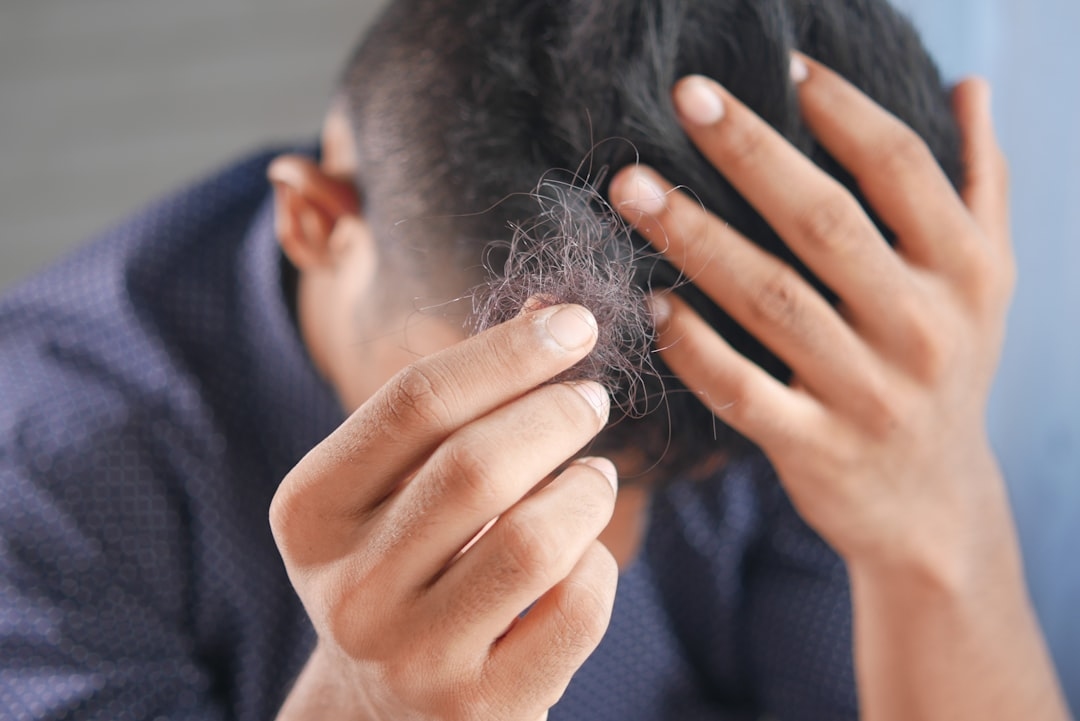
Hair sample allergy testing, also called hair analysis or bioresonance testing, works by mailing a small sample of your hair to a laboratory. Companies claim to analyse the sample using various technologies—some reference bioresonance frequencies, others claim energetic imprints, and still others mention electromagnetic analysis. The alleged result: identification of specific substances your body reacts to, creating a comprehensive allergy and sensitivity profile. Some labs cost £30; others charge £150 to £200 for expanded panels.
Marketing materials emphasise non-invasiveness compared to scratch tests or blood draws. You cut hair, post it, receive results within 1 to 2 weeks, and avoid healthcare system wait times. This appeals strongly to people frustrated with traditional testing or seeking answers for unexplained symptoms.
The Science: What Research Actually Shows
Hair sample allergy testing has no scientific validity. Multiple systematic reviews and scientific investigations have found zero evidence that hair analysis can identify allergies or intolerances. A 2023 UK review of hair analysis tests commissioned by the Food Standards Agency concluded: “Hair analysis cannot reliably identify allergies, intolerances, or nutritional deficiencies. The testing methods lack scientific basis and produce unreliable, inconsistent results.” Independent testing of the same hair samples submitted to different laboratories produced entirely different results—some identifying peanut allergies where others found none, demonstrating fundamental unreliability.
How accurate is hair sample allergy testing compared to proven methods? Essentially not accurate at all. Traditional IgE blood testing (identifying true allergies through immunoglobulin E antibodies) has 85 to 95% accuracy when positive results appear. IgG testing (identifying food sensitivities, distinct from allergies) has moderate evidence supporting use in some contexts. Hair analysis has zero validated testing principles supporting it.
Why Hair Analysis Seems Credible But Isn’t
Hair does contain trace minerals and some substances from your bloodstream. This biological reality creates a plausible-sounding premise: hair reflects your body’s state, so analysing it could reveal health information. This reasoning fails for allergies and intolerances. Hair doesn’t contain allergen-specific antibodies or immunological markers distinguishing allergic reactions. The presence of trace minerals doesn’t indicate whether you’re allergic to those substances. The logic breaks down under scrutiny.
Additionally, different laboratories using different methodologies on identical samples produce wildly different results. This inconsistency is fatal to any testing method’s credibility. Reliable tests produce consistent findings regardless of which laboratory performs them. Hair analysis companies often produce custom results matching patients’ symptoms or expectations—a phenomenon called confirmation bias emerging from vague testing protocols.
Cost-Benefit Analysis: What You’re Actually Paying For
- Hair sample test: £30 to £200 per test. No diagnostic value. Results often recommend elimination diets based on false positives.
- NHS allergy testing: Free (scratch test, blood IgE test). Valid, evidence-based results. Wait time typically 4 to 8 weeks.
- Private IgE blood testing: £150 to £300. Identifies true allergies. Results are medically actionable.
- IgG sensitivity testing: £150 to £300. Identifies food sensitivities (distinct from allergies). Moderate evidence; useful for some people.
- Elimination diet supervised by registered dietitian: £50 to £150 per consultation. Identifies problem foods through controlled observation. Gold standard for identifying intolerances.
Hair analysis costs money whilst providing no useful information. The NHS offers evidence-based testing free. Private alternatives, though costly, provide reliable information. Hair testing is simply purchasing expensive non-data.
Common Results From Hair Testing: Why They Seem Accurate
Hair analysis companies frequently identify common food sensitivities—dairy, gluten, eggs. Why? Because these are genuinely common triggers for many people. A positive result for gluten sensitivity in someone with digestive symptoms appears accurate because gluten genuinely causes many people problems. The test isn’t identifying that your body reacts to gluten; it’s making a statistical guess that common allergens probably affect you. When occasionally the guess aligns with reality, it seems like the test worked—a classic example of cold reading or Barnum effect (vague statements that seem personally specific).
Real Allergy Testing: What Actually Works
Skin Prick Testing (SPT): Allergen extracts placed on skin, scratched lightly, observed for reactions. Identifies true IgE allergies within 15 minutes. Accuracy 85-95%. Cost on NHS: free. Private: £50 to £100.
Serum IgE Testing: Blood test measuring IgE antibodies against specific allergens. Identifies true allergies. Accuracy 85-95%. Cost on NHS: free. Private: £150 to £300.
IgG Testing: Blood test measuring IgG antibodies. Identifies food sensitivities (non-allergic reactions). Moderate evidence; useful in some contexts. Cost: £150 to £300.
Elimination Diet: Removing suspected trigger foods, then reintroducing systematically whilst monitoring symptoms. Gold standard for identifying intolerances. Cost: £0 to £150 (with dietitian guidance).
Oral Immunotherapy/Desensitisation: Medical treatment gradually exposing you to allergens under supervision, building tolerance. Medical supervision required. Cost on NHS: free if referred; private: £500 to £2000+.
Sustainability Angle: Stop Buying Useless Tests
Hair analysis companies generate substantial waste—producing elaborate reports, packaging, and processing for tests delivering no information. Choosing evidence-based testing (NHS allergy testing, supervised elimination diets) avoids this waste whilst providing genuinely useful health information. Rejecting pseudoscientific testing reduces both personal financial waste and environmental waste simultaneously.
FAQ: Hair Testing and Allergy Identification
Are hair allergy tests ever accurate? No. Scientific investigation consistently finds zero validity. Same samples tested at different labs produce contradictory results. Apparent accuracy reflects cold reading and chance overlap with actual common allergens.
Why do people report hair tests helped them? Elimination diets help many people feel better through placebo effect, general health improvement, and occasionally identifying real intolerances. The test didn’t identify the problem; the subsequent diet change did. People credit the test rather than the diet.
Is hair testing safer than blood testing? Both are safe. Hair testing isn’t safer—it’s just non-invasive. However, non-invasive doesn’t equal useful. A test causing no discomfort but providing no information is worse than a slightly uncomfortable test providing reliable information.
Should I pay for hair testing instead of waiting for NHS allergy testing? No. Hair testing provides false information. NHS testing provides accurate diagnosis. Waiting is preferable to receiving incorrect results costing £30 to £200.
What’s the best way to identify food allergies and intolerances? Start with NHS allergy testing identifying true allergies. For food sensitivities, a supervised elimination diet with a registered dietitian provides reliable identification. Blood IgG testing offers an alternative if cost is manageable.