Contents:
- What Apple Cider Vinegar Contains and How It Might Help Hair
- What the Science Actually Shows
- Apple Cider Vinegar as a Rinse: How to Use It
- The Typical ACV Rinse Method
- Cost and Practicality
- Comparing ACV to Proven Hair Loss Treatments
- Potential Downsides of Apple Cider Vinegar for Hair
- When ACV Might Actually Help
- Better Alternatives if ACV Isn’t Working
- FAQ: Apple Cider Vinegar and Hair Loss
- Can apple cider vinegar stop hair loss?
- How long before ACV improves hair?
- Is diluted or undiluted ACV better for hair?
- Can I use ACV daily?
- Does ACV interact with other hair treatments?
- The Bottom Line on Apple Cider Vinegar
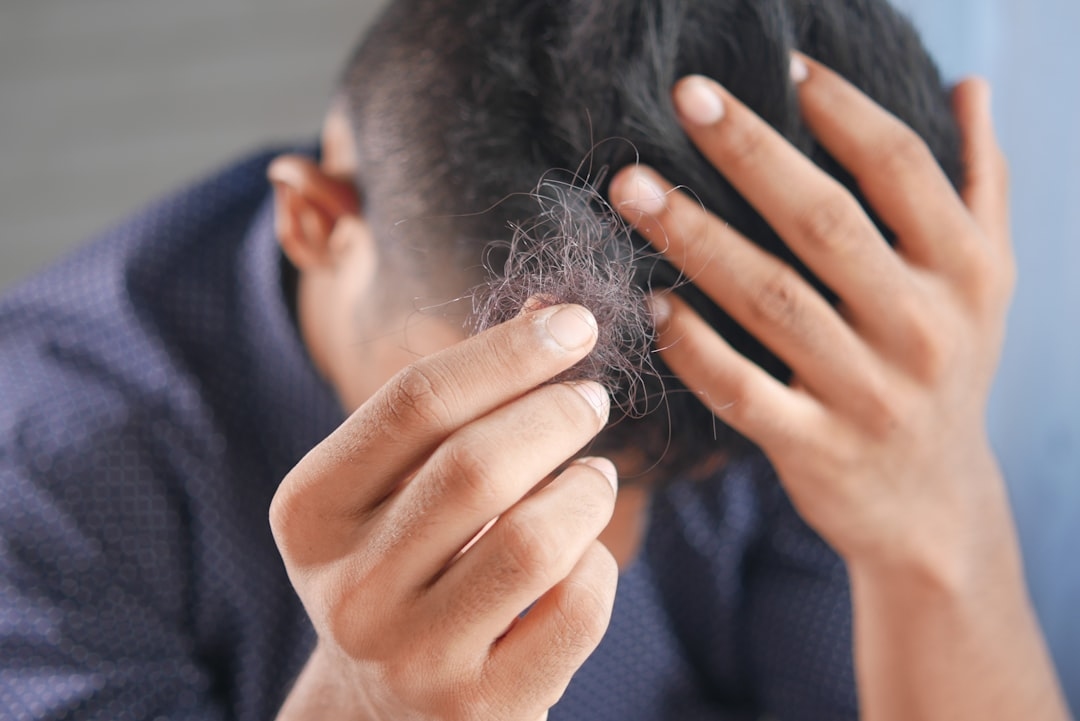
Apple cider vinegar (ACV) is celebrated in natural health communities as a cure-all, including for hair loss and thinning. The marketing is enthusiastic; the scientific evidence is modest. Understanding what ACV actually does—and doesn’t do—prevents wasting time on ineffective remedies when proven treatments exist.
What Apple Cider Vinegar Contains and How It Might Help Hair
Apple cider vinegar contains acetic acid (5% in standard ACV), plus various compounds claimed to benefit hair: malic acid, potassium, iron, and B vitamins. The mechanisms proposed are:
- pH balancing: ACV is acidic; alkaline shampoo residue can leave hair cuticles raised and dull. ACV’s acidity could theoretically seal the cuticle, improving shine and reducing breakage.
- Scalp health: Acetic acid has mild antimicrobial properties, potentially reducing scalp bacteria and fungi that contribute to inflammation.
- Nutrient content: ACV contains trace amounts of iron and potassium, though quantities are minimal compared to actual dietary sources.
These mechanisms are plausible but modest.
What the Science Actually Shows
Clinical evidence for ACV and hair loss is sparse. A 2015 review in the Journal of Cutaneous and Aesthetic Surgery found only one peer-reviewed study examining ACV specifically for hair loss: a small trial (n=30) comparing an ACV rinse group to control. Results showed modest improvement in hair texture and shine but no measurable difference in hair density or shedding rates.
Most evidence for ACV and hair comes from anecdotal reports and uncontrolled studies. Controlled trials comparing ACV to standard shampoos show no significant advantage. When improvements are reported (better shine, less frizz), they’re comparable to results from any pH-balanced conditioner.
Bottom line: ACV might modestly improve hair texture and shine due to pH balancing and conditioner-like effects, but it doesn’t stop hair loss or promote growth beyond what standard conditioner provides.
Apple Cider Vinegar as a Rinse: How to Use It
If you choose to try ACV, proper usage matters:
The Typical ACV Rinse Method
- Mix 1–2 tablespoons of ACV with 1 litre of water. (A 1:8 to 1:16 dilution; undiluted ACV is too acidic and can damage hair.)
- Shampoo as normal.
- Pour the ACV mixture over your hair as a final rinse. Don’t rinse it out immediately; let it sit for 1–2 minutes.
- Rinse with cool water to seal the cuticle.
Frequency: Once or twice weekly. Daily use risks overdrying the hair; occasional use provides any potential benefits without excessive acidity.
Cost and Practicality
A bottle of apple cider vinegar costs £1–3. A 1-litre mixture lasts roughly 8–10 rinses (weekly use for 2 months). Monthly cost: £0.25–0.50. This makes it one of the cheapest hair treatments available.
Comparing ACV to Proven Hair Loss Treatments
ACV rinse: Cost: £0.25–0.50 monthly. Evidence for hair loss: weak-to-none. Evidence for texture/shine: weak. Timeline: 3–4 weeks for subjective improvements. Best for: those wanting a low-cost, low-risk experiment.
Minoxidil (Regaine): Cost: £28–35 monthly. Evidence for hair loss: strong (45% regrow hair; 40% halt loss). Timeline: 6+ months for visible results. Best for: documented androgenetic alopecia.
Ketoconazole shampoo (Nizoral): Cost: £7–9 monthly. Evidence for hair loss: moderate if scalp inflammation is present. Timeline: 3–4 weeks for improvement. Best for: inflamed, flaky, or fungal scalp conditions.
Omega-3 supplementation: Cost: £8–20 monthly. Evidence for hair loss prevention: strong. Timeline: 8–12 weeks. Best for: reducing shedding and supporting overall hair health.
If hair loss is concerning you, ACV as a sole treatment is unlikely to address it. It might offer marginal texture improvements but won’t stop genetic hair loss or reverse nutritional deficiency-driven shedding.
Potential Downsides of Apple Cider Vinegar for Hair
Excessive acidity: Overuse can overdry the hair and scalp. Daily ACV rinses risk stripping natural oils, actually causing scalp irritation and increased oil production.
Smell: The vinegar smell can linger despite rinsing. Some people don’t mind; others find it unpleasant. Smell dissipates as hair dries, usually within 1–2 hours.
Scalp irritation: For those with sensitive scalps, the acetic acid can cause itching or redness. Patch test on a small area first.

Ineffectiveness for actual hair loss: If your hair loss stems from genetics, hormonal changes, or nutritional deficiency, ACV won’t address the root cause. It’s a topical treatment addressing only surface concerns.
When ACV Might Actually Help
ACV is most useful for:
- Product buildup: If your hair feels sticky or dull from styling product, conditioner, or mineral accumulation, ACV’s acidity can help clarify. Use as a weekly rinse to remove buildup.
- Dull, dry texture: ACV’s conditioning effect and pH-balancing properties can restore shine to dull, lifeless hair, particularly after chemical treatments (colouring, relaxing).
- Frizz: The acidic rinse can seal the hair cuticle, reducing frizz temporarily. This is most useful for curly hair prone to frizz.
For these specific issues, ACV is a low-cost alternative to expensive conditioners. For actual hair loss, it’s insufficient.
Better Alternatives if ACV Isn’t Working
If you’ve tried ACV for 3–4 weeks without improvement, shift to proven treatments:
- For scalp health and texture: Use a ketoconazole shampoo (Nizoral) 2–3 times weekly instead. Cost: £7–9 monthly. Evidence: moderate-to-strong if scalp inflammation is present.
- For actual hair loss: Combine omega-3 supplementation (£8–20 monthly) with nutritional optimisation (adequate protein, iron, zinc). This addresses underlying causes rather than masking symptoms.
- For genetic hair loss: Minoxidil (Regaine) or finasteride (Propecia) require medical consultation. NHS prescriptions vary in availability; private options cost £28–35+ monthly for minoxidil.
FAQ: Apple Cider Vinegar and Hair Loss
Can apple cider vinegar stop hair loss?
Not significantly. ACV might offer marginal improvements in scalp health and hair texture, but it doesn’t stop genetic hair loss or reverse hair loss from nutritional deficiency. It’s a conditioning treatment, not a hair loss solution. For actual hair loss, evidence-backed treatments (minoxidil, finasteride, nutritional intervention) are necessary.
How long before ACV improves hair?
Texture and shine improvements (if they occur) are typically visible within 2–3 weeks of regular rinses. If no improvement appears by 4 weeks, ACV likely won’t help your specific concern. Effects are modest and primarily cosmetic (shine, texture), not structural (thickness, density).
Is diluted or undiluted ACV better for hair?
Always dilute. Undiluted ACV is too acidic and can damage the hair cuticle and irritate the scalp. A 1:8 to 1:16 dilution (1–2 tablespoons per litre of water) is the standard recommendation. Undiluted increases risk without added benefit.
Can I use ACV daily?
Not recommended. Daily ACV rinses risk overdrying the hair and scalp. Use 1–2 times weekly maximum. If your scalp becomes irritated or dry, reduce frequency to once weekly or discontinue.
Does ACV interact with other hair treatments?
No significant interactions. ACV can be used alongside minoxidil, supplements, and other treatments. However, combining ACV with other acidic treatments (some clarifying shampoos) risks excessive acidity. Alternate rather than combining acidic products.
The Bottom Line on Apple Cider Vinegar
Apple cider vinegar is a low-cost, low-risk experiment for improving hair texture and shine. It might offer modest benefits due to pH balancing and mild antimicrobial properties. However, it doesn’t stop hair loss or promote growth.
If your concern is texture or shine, try ACV for 3–4 weeks. If your concern is actual hair loss, don’t waste time on ACV. Instead, address documented deficiencies, manage stress, and consider evidence-backed treatments like minoxidil or omega-3 supplementation.
ACV is best viewed as a low-cost conditioning supplement, not a hair loss treatment. Use it accordingly, and manage expectations accordingly.