Contents:
- Understanding Hair Bleaching Science
- Safe Bleaching Frequency: The General Guidelines
- Healthy, Undamaged Hair
- Previously Bleached or Damaged Hair
- Seasonal Timeline Considerations
- Root Touch-Ups vs. Full Head Bleaching
- Root Touch-Up Frequency
- Full-Head Reprocessing Risks
- Expert Insight on Bleaching Frequency
- Assessing Your Hair’s Tolerance
- Signs Your Hair Needs Longer Recovery
- Strand Tests Are Essential
- Common Mistakes to Avoid
- Timeline for Different Hair Colours
- Dark Brown to Medium Blonde (Levels 4-5 to Levels 8-9)
- Medium Brown to Light Blonde (Levels 6-7 to Level 9-10)
- Already Blonde Maintenance
- Cost Breakdown
- FAQ Section
- Can you bleach your hair twice in one week?
- How do you know if your hair can handle bleaching?
- What’s the maximum lightness you can achieve safely?
- Does hair recover from bleach damage?
- Is it better to bleach at home or professionally?
- The Blonde Timeline You Can Sustain
Blonde hair has been fashionable for centuries, but modern lightening techniques have transformed it from rare and expensive to achievable. Yet bleaching remains the most aggressive chemical treatment you can apply to hair. Understanding safe bleaching frequency prevents the brittleness, breakage, and eventual hair loss that result from over-processing. The answer to “how often can you bleach your hair” depends on several factors including your current hair condition, porosity, and desired lightness level.
Historically, women seeking lighter hair relied on natural methods—lemon juice, chamomile tea, or expensive salon appointments once or twice yearly. Modern bleach is far more efficient but requires respect. Used carelessly, it transforms healthy hair into straw-like, breakable mess. Used wisely, it creates beautiful results while preserving hair integrity.
Understanding Hair Bleaching Science
Hair bleaching works by breaking down melanin (the pigment that gives hair its colour). Bleach penetrates the hair shaft and oxidises melanin molecules, lightening them. This chemical reaction damages the protein structure that holds hair together. Every bleaching application weakens your hair slightly. Applied too frequently, your hair’s structural integrity collapses entirely.
The degree of damage depends on several factors. Developer strength (measured in volumes: 10, 20, 30, or 40 volume) determines how aggressively bleach works. Higher volume = faster lightening but more damage. Exposure time matters enormously—leaving bleach on too long causes exponentially more damage than minimal processing. Your hair’s starting condition is crucial: healthy hair tolerates bleaching better than previously bleached or chemically damaged hair.
Safe Bleaching Frequency: The General Guidelines
Healthy, Undamaged Hair
If your hair is virgin (never previously bleached or chemically treated), you can safely bleach every 6-8 weeks. This schedule allows enough time for hair to recover between treatments. Most people lightening from natural dark hair need only 2-4 bleaching sessions total to reach their desired lightness, spread across 3-6 months. Once you’ve reached your target colour, maintenance bleaching of just the roots occurs every 4-6 weeks.
Previously Bleached or Damaged Hair
Hair that’s already been bleached or treated with colour requires longer intervals. Safe frequency for previously bleached hair is every 8-12 weeks. Severely compromised hair (brittle, breaking, or with visible damage) needs 12+ weeks between treatments, or should avoid bleaching entirely until condition improves through intensive conditioning.
Seasonal Timeline Considerations
Many UK hairdressers recommend bleaching on a seasonal schedule rather than strict weeks. Spring and early summer work well—you have time to recover before summer sun and holidays stress your hair. Autumn is the second-best time, allowing recovery through winter when UV exposure decreases. Winter and summer are worst times since winter heating dries hair and summer sun damages already-compromised ends. Plan your bleaching around seasons rather than just calendar weeks.
Root Touch-Ups vs. Full Head Bleaching
Root Touch-Up Frequency
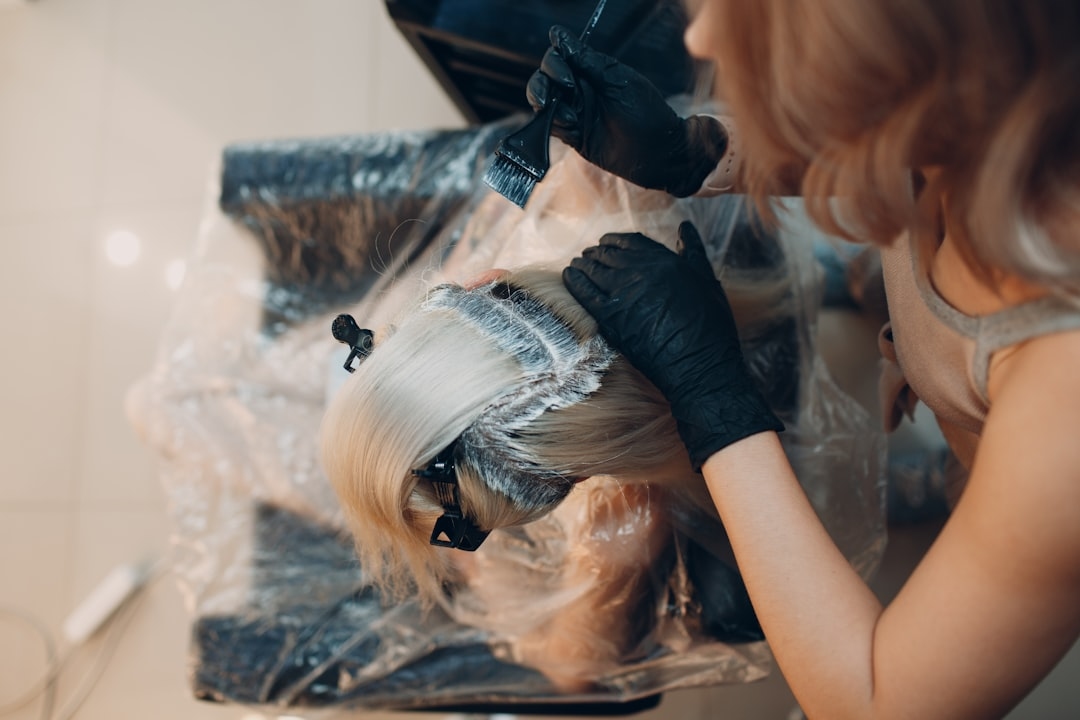
Once you’re maintaining blonde, you only bleach regrowth (new hair at the roots) every 4-6 weeks. This is far less damaging than full-head bleaching because you’re not re-processing previously bleached hair. Root touch-ups take 30-45 minutes and use minimal bleach. This is manageable maintenance every month or six weeks without significantly damaging your hair.
Full-Head Reprocessing Risks
Never bleach the same hair twice in one sitting. Many people make this mistake, thinking they can lighten already-bleached ends further by applying fresh bleach. This causes severe damage. Your previously bleached hair is already compromised; applying fresh bleach to it causes dramatic over-processing, breakage, and potential hair loss. If your ends need lightening after your roots are done, that’s a different session entirely—wait at least 2-3 weeks.
Expert Insight on Bleaching Frequency
Trichologist Dr. Sarah Mitchell at London’s Crown Hair Clinic states: “I recommend clients wait minimum eight weeks between full-head bleaching. More importantly, I recommend they stop thinking of blonde as a permanent state. Grow your roots out for 2-3 months, then do a full touch-up. This prevents constant chemical damage. Your hair will be dramatically healthier.”
This expert perspective challenges the common practice of maintaining blonde through frequent root touch-ups. While root touch-ups alone are safe, the cumulative effect of constant chemical processing—even just roots—adds up. Taking breaks, growing roots out partially, then doing less frequent full applications actually preserves hair health better than rigid 4-week cycles.
Assessing Your Hair’s Tolerance
Signs Your Hair Needs Longer Recovery
If your hair feels dry, brittle, or breaks easily after bleaching, you need longer intervals. Stop bleaching for 6-8 weeks and focus on intensive conditioning. Deep condition twice weekly (products like Olaplex or K18, £25-45 per treatment). Once your hair feels softer and breaks less, you can resume bleaching on longer intervals (10-12 weeks rather than 6-8).
If you notice hair snapping at the ends, your ends are beyond saving and need cutting. Trim 1-2 inches off, then commit to longer intervals between future bleaching.
Strand Tests Are Essential
Always do a strand test 48 hours before bleaching. Apply bleach to a small, hidden section and process for your target time. Examine the result. If your hair feels significantly weaker or breaks easily during the test, you’re not ready for full-head bleaching yet. Wait another 2-4 weeks and test again.
Common Mistakes to Avoid

Mistake one: bleaching too frequently because you want extreme lightness. You can’t rush lightness without severe damage. Light blonde requires multiple sessions spaced weeks apart. Mistake two: leaving bleach on too long. Set a timer. 30-45 minutes maximum, even for dark hair. Longer exposure doesn’t lighten more; it just damages more.
Mistake three: using high-volume developer (40 volume) on previously bleached hair. Use 20 volume maximum on previously lightened hair. Mistake four: skipping conditioning between bleaching sessions. Conditioning doesn’t prevent damage but reduces severity of next session’s damage. Commit to weekly deep conditioning if you’re bleaching regularly.
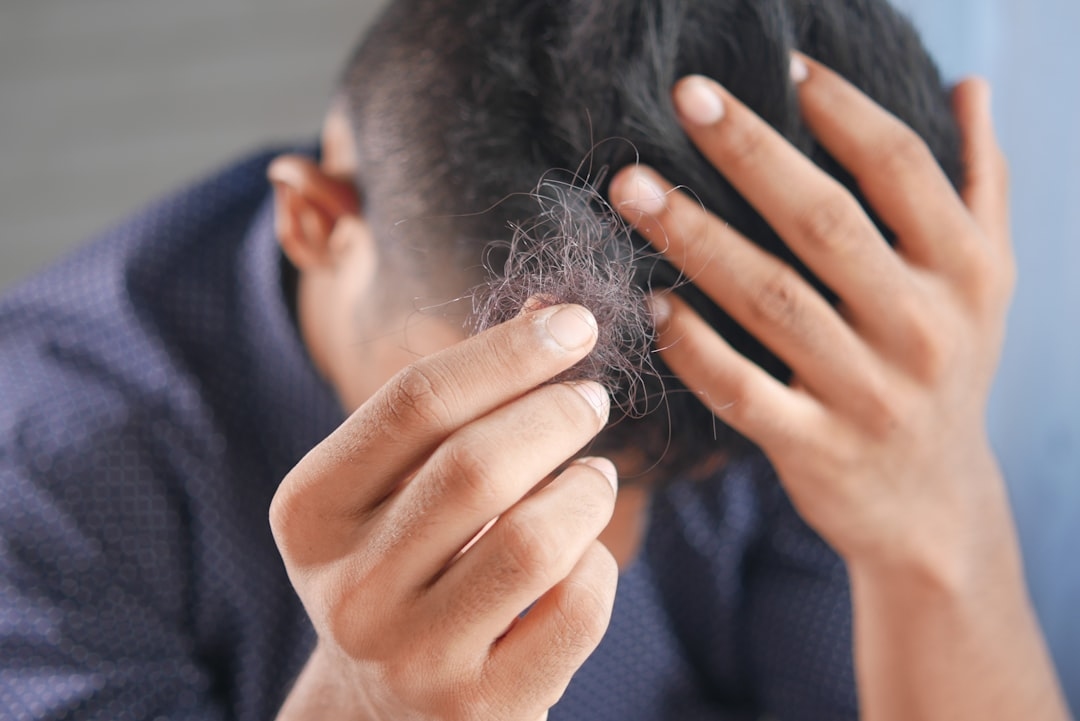
Mistake five: ignoring breakage as a sign to stop. Breakage means your hair’s structural protein is compromised. Continue bleaching and you’ll have severe hair loss. When you see breakage, stop bleaching immediately and focus on recovery for 8+ weeks.
Timeline for Different Hair Colours
Dark Brown to Medium Blonde (Levels 4-5 to Levels 8-9)
This requires 3-4 sessions of bleaching, spaced 6-8 weeks apart. Total timeline: 4-6 months. This slower progression is safer and produces better results than rushing.
Medium Brown to Light Blonde (Levels 6-7 to Level 9-10)
Requires 2-3 sessions over 3-4 months. Less dramatic lightening requires fewer sessions.
Already Blonde Maintenance
Root touch-ups every 4-6 weeks indefinitely. Full-head rebleaching every 12+ weeks if needed for overall lightening, but truly—root touch-ups are usually sufficient to maintain blonde once achieved.
Cost Breakdown
Professional bleaching costs £60-150 per session depending on your location and hair length. Home bleaching kits cost £8-15. Do-it-yourself full-head bleaching every 6 weeks costs £96-180 yearly. Professional service costs £720-1800 yearly for maintenance bleaching. Budget accordingly before committing to blonde.
FAQ Section
Can you bleach your hair twice in one week?
Absolutely not. Minimum 2 weeks between bleaching sessions, preferably 4+. Bleaching twice in one week causes severe, potentially irreversible damage. Your hair’s protein structure cannot recover that quickly.
How do you know if your hair can handle bleaching?
Do a strand test first. If your hair feels stronger after the test and doesn’t break, you’re likely okay. If it feels weaker or snaps, your hair isn’t ready. Also assess your natural hair condition—if it’s already dry or damaged, wait for recovery before bleaching.
What’s the maximum lightness you can achieve safely?
Pure white blonde (Level 10) is achievable but requires multiple sessions and excellent hair condition. Most people’s hair reaches maximum safe lightness around Level 9 (very pale blonde). Pushing beyond this risks severe damage for minimal colour improvement.
Does hair recover from bleach damage?
Partially. Conditioning improves feel and appearance. But chemically damaged protein bonds don’t truly “heal”—you’re managing damage, not reversing it. Prevention through safe intervals is more effective than recovery after damage.
Is it better to bleach at home or professionally?
Professionally, if you value your hair. Professionals assess your hair’s condition, apply bleach correctly, and monitor processing time precisely. Home mistakes—leaving bleach too long, applying to already-bleached hair, using wrong developer—cause severe damage. If you bleach at home, do strand tests and follow instructions exactly.
The Blonde Timeline You Can Sustain
Beautiful blonde is achievable, but requires patience. Plan for 4-6 months to reach your desired lightness, then commit to maintenance every 4-6 weeks. This slow, consistent approach yields blonde hair that’s healthy and breakage-free. Rushed bleaching creates the blonde you want for six months, then the damage that follows for years. Choose the sustainable timeline.