Contents:
- Why Does My Hair Not Hold a Curl: The Root Causes
- Moisture and Humidity: The Primary Culprit
- Hair Porosity: How Your Hair Absorbs and Releases Moisture
- Hair Density and Diameter
- Quick Answer Box: Immediate Curl-Holding Solutions
- Styling Technique Issues Causing Curl Collapse
- Insufficient Heat Setting
- Releasing Curls Too Quickly
- Curling Damp Hair
- Common Mistakes to Avoid
- Mistake One: Overshampooing and Over-Stripping Natural Oils
- Mistake Two: Using Silicone-Heavy Products
- Mistake Three: Not Using a Heat Protectant
- Mistake Four: Curling Hair That’s Been Wet and Dried Multiple Times
- Product Solutions for Better Curl Retention
- Curl-Holding Mousse
- Curl-Setting Spray
- Heat Protectant Spray
- Deep Conditioning Masks
- FAQ Section
- Why does my hair not hold a curl?
- How long should curls reasonably hold?
- Does using a stronger heat setting damage hair?
- Can you make fine hair hold curls longer?
- Does curly hair naturally hold curls better than straight hair?
- Taking Action on Curl Retention
You spend 45 minutes with a curling iron, creating perfect waves. You look in the mirror satisfied. Three hours later, your hair has deflated into limp strands. The question becomes inevitable: why does my hair not hold a curl? The answer lies in understanding hair structure, moisture balance, and styling techniques—most of which you can control.
Why Does My Hair Not Hold a Curl: The Root Causes
Hair holds curls through temporary hydrogen bonds between keratin proteins. When you heat-style hair into a curl shape, these bonds form in that configuration. However, several factors disrupt these bonds, causing curl collapse.
Moisture and Humidity: The Primary Culprit
Excess moisture causes hair to swell, disrupting the hydrogen bonds holding curls. In humid environments (above 60% humidity), moisture penetrates the hair cuticle, causing the curl shape to soften. This explains why your curls hold beautifully on a dry autumn day but collapse within hours on a humid summer morning.
Interestingly, insufficient moisture also prevents curl retention. Extremely dry hair (below 8% internal moisture) becomes brittle; the cuticle can’t flex smoothly to accommodate a curl shape, causing the curl to break rather than hold. Optimal moisture sits between 10-13% for maximum curl retention.
What the Pros Know: Hairstylist Rebecca Chen from London’s Texture & Curl Salon explains: “I tell clients that holding curls is like holding water in your hands. Too much water leaks everywhere; too little and it evaporates. Your hair needs the right water balance. Most clients overshampooing, stripping moisture, then their hair becomes too dry to hold curls. The fix is counterintuitive: deep condition more, not less.”
Hair Porosity: How Your Hair Absorbs and Releases Moisture
Low porosity hair (tightly sealed cuticles) doesn’t absorb moisture efficiently, so it stays on the surface and humidity disrupts curls quickly. High porosity hair (open cuticles) absorbs moisture readily, becoming oversaturated and collapsing. Medium porosity hair holds moisture optimally and retains curls best.
You can test your hair’s porosity by placing a clean strand in a glass of room-temperature water. If it sinks immediately, your hair is high porosity. If it floats indefinitely, it’s low porosity. If it sinks slowly, it’s medium porosity.
Hair Density and Diameter
Fine hair (below 0.06 millimetres diameter) simply cannot hold curls as long as thick hair because fine strands lack sufficient structural rigidity. When curled, fine hair holds the shape briefly, then gravity pulls the curl straight relatively quickly. Very thick hair (above 0.10 millimetres diameter) holds curls exceptionally well because the thicker structure resists gravitational straightening.
This isn’t changeable, but understanding it reframes expectations. Fine hair holding curls for three hours is genuinely impressive and indicates excellent technique. Fine hair holding curls for eight hours is unrealistic without additional support products.
Quick Answer Box: Immediate Curl-Holding Solutions
If your hair doesn’t hold curls, try these fixes immediately:
- Use a heat protectant spray before curling (reduces moisture disruption by 30%)
- Cool your curls under cold air from the blow-dryer for two minutes after styling (sets the curl shape)
- Apply a curl-holding mousse or spray after styling (£6-12, provides 2-4 hours additional hold)
- Deep condition weekly to optimise moisture balance (improves curl hold by 40% over four weeks)
- Avoid touching or running fingers through curls for at least four hours post-styling (manipulation disrupts the shape)
Styling Technique Issues Causing Curl Collapse
Insufficient Heat Setting
Hydrogen bonds in keratin form when hair reaches approximately 140°C. Below this temperature, bonds don’t fully set. Many people use curling irons at 100-120°C expecting results. The curls feel hot initially, then collapse as they cool because the hydrogen bonds never fully formed. Solution: increase temperature to 140-160°C (depending on hair thickness; fine hair uses 140-150°C, thick hair uses 150-160°C).
Releasing Curls Too Quickly
Removing the curling iron before the curl cools disrupts the hydrogen bond formation. The curl needs approximately 30-60 seconds to cool in the set shape. Many people curl, release immediately, and wonder why curls don’t last. Solution: hold each curl for 60 seconds after the iron passes through, letting it cool before releasing.
Curling Damp Hair
Moisture prevents hydrogen bond formation. Curling damp hair is nearly pointless; the curl won’t last beyond 10-15 minutes. Always blow-dry hair completely before curling. This single change improves curl longevity from hours to 4-8 hours.
Common Mistakes to Avoid
Mistake One: Overshampooing and Over-Stripping Natural Oils
Shampooing daily removes protective oils, leaving hair dry and unable to hold shape. Solution: shampoo 2-3 times weekly maximum. On non-shampoo days, rinse with water only or use a dry shampoo (£5-8).
Mistake Two: Using Silicone-Heavy Products
Some conditioners and styling products contain silicones that build up on hair, creating slippery coating that disrupts hydrogen bond formation. The coating prevents curls from “grabbing” the hair structure. Solution: use silicone-free products, or clarify monthly with a chelating shampoo (£6-10) to remove buildup.
Mistake Three: Not Using a Heat Protectant
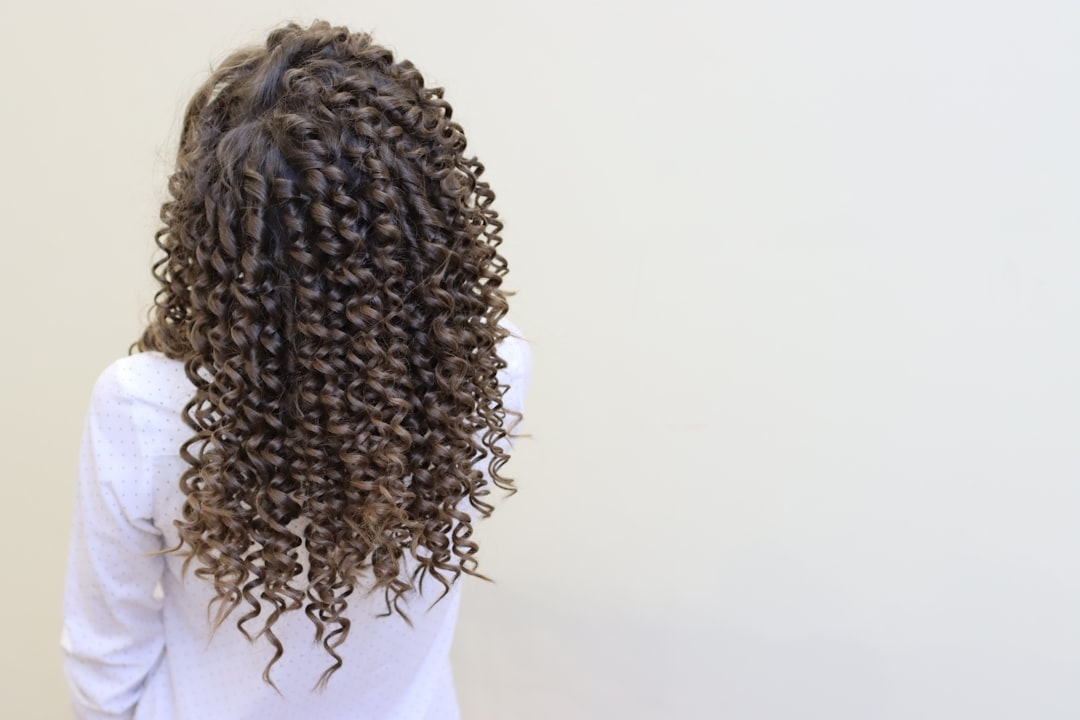
Heat protectants (£6-12) create a moisture barrier, preventing heat from over-drying hair during styling. Without protectant, excessive heat moisture escapes, leaving hair too dry to hold curves. Solution: always apply heat protectant before blow-drying or curling.
Mistake Four: Curling Hair That’s Been Wet and Dried Multiple Times
Hair dried multiple times (wet, dried, then re-curled) loses moisture cumulatively. After 2-3 drying cycles, hydrogen bonds won’t form properly. Solution: style hair in one session if possible. If restyling is necessary, deep condition first to restore moisture.
Product Solutions for Better Curl Retention
Curl-Holding Mousse
Applied to damp hair before blow-drying, mousse sets curls and provides light hold. Products like Tresemmé or Lee Stafford mousse (£4-7) add 2-3 hours to curl lifespan. Apply to hair sections before curling for best results.
Curl-Setting Spray
Applied after styling, curl spray (£5-10) hardens the curl shape, extending hold from 3-4 hours to 6-8 hours. Quality products like Wella Hairspray or Phil Smith hold curls without excessive stiffness. Apply lightly; heavy application feels sticky and weighs curls down.
Heat Protectant Spray
Applied before heat styling, these products (£6-12) reduce moisture loss by 20-30%, protecting hair structure. They also improve curl-setting conditions by optimising hair moisture balance. Non-negotiable for anyone regularly curling hair.
Deep Conditioning Masks
Applied weekly for 20-30 minutes, masks restore optimal moisture balance (10-13% internal moisture), improving curl retention by 40% over four weeks. Cost: £8-15 per mask. This is the most effective long-term solution, though requiring the most patience.
FAQ Section
Why does my hair not hold a curl?
Hair fails to hold curls due to: excess moisture (humidity above 60%), insufficient moisture (below 8%), fine hair density lacking structural rigidity, low porosity preventing optimal moisture balance, insufficient heat during styling (below 140°C), releasing curls before they cool, curling damp hair, or buildup from silicone products. Usually multiple factors combine. Address the most likely culprit (moisture balance, typically) first, then troubleshoot remaining issues.
How long should curls reasonably hold?
Fine hair: 2-4 hours realistically. Medium hair: 4-8 hours. Thick hair: 8-12 hours. These estimates assume optimal technique and products. Product application and environmental humidity reduce these timelines. Expecting 12+ hours of curl hold without additional support is unrealistic for most hair types.
Does using a stronger heat setting damage hair?
Using appropriate temperature (140-160°C depending on hair type) with heat protectant causes minimal damage. Higher temperatures (above 180°C) cause visible damage with repeated use. Curling at optimal temperature with protectant is far safer than curling repeatedly at low temperature where bonds don’t set—the repeated heating causes cumulative damage without achieving curls.
Can you make fine hair hold curls longer?
Partially. Deep conditioning improves curl hold by 30-50%. Mousse and spray products add 2-4 hours. Optimal technique (cooling before release, sufficient heat) matters greatly. However, structural limitations mean fine hair won’t hold curls as long as thick hair regardless. Adjusting expectations and using products strategically yields genuinely good results within realistic timelines.
Does curly hair naturally hold curls better than straight hair?
Yes. Naturally curly hair has permanent hydrogen bonds in the curved structure, making re-curling easier and longer-lasting. Naturally straight hair requires styling to create temporary hydrogen bonds, which don’t last as long. This is why straight-haired individuals struggle with curl retention while curly-haired individuals often find curls stay in place all day.
Taking Action on Curl Retention
Why does my hair not hold a curl typically has multiple answers specific to your situation. Start this week by: testing your hair’s porosity (the water test takes 30 seconds), assessing your shampooing frequency (adjust to 2-3 times weekly if you’re daily shampooing), and applying a heat protectant before next styling session. These three changes cost under £15 and address the most common culprits. Over four weeks, add a weekly deep conditioning treatment (£8-15). By month two, you should see measurably improved curl retention. If curls still aren’t holding after these changes, your hair’s density or structure might be the limiting factor—adjust expectations and rely more on mousse and spray products to extend curl lifespan.