Contents:
- What Is Damaged Hair?
- The Signs You’re Dealing with Damaged Hair
- Visual and Tactile Signs
- Scalp-Level Symptoms
- How Damaged Hair Differs from Naturally Dry Hair
- What Causes Damaged Hair
- Heat Styling
- Chemical Treatments
- Mechanical Stress
- Environmental Factors
- Harsh Products
- Seasonal Timeline: When Damaged Hair Gets Worse
- What You Can Do About Damaged Hair
- Prevention First
- Professional Help
- The Trim Reality
- Can Damaged Hair Heal?
- FAQ
- Is all split hair damaged hair?
- Can products really fix damaged hair?
- How do I know if my hair is dry or damaged?
- Is damaged hair genetic, or did I cause it?
- How much will a good trim cost at a UK salon?
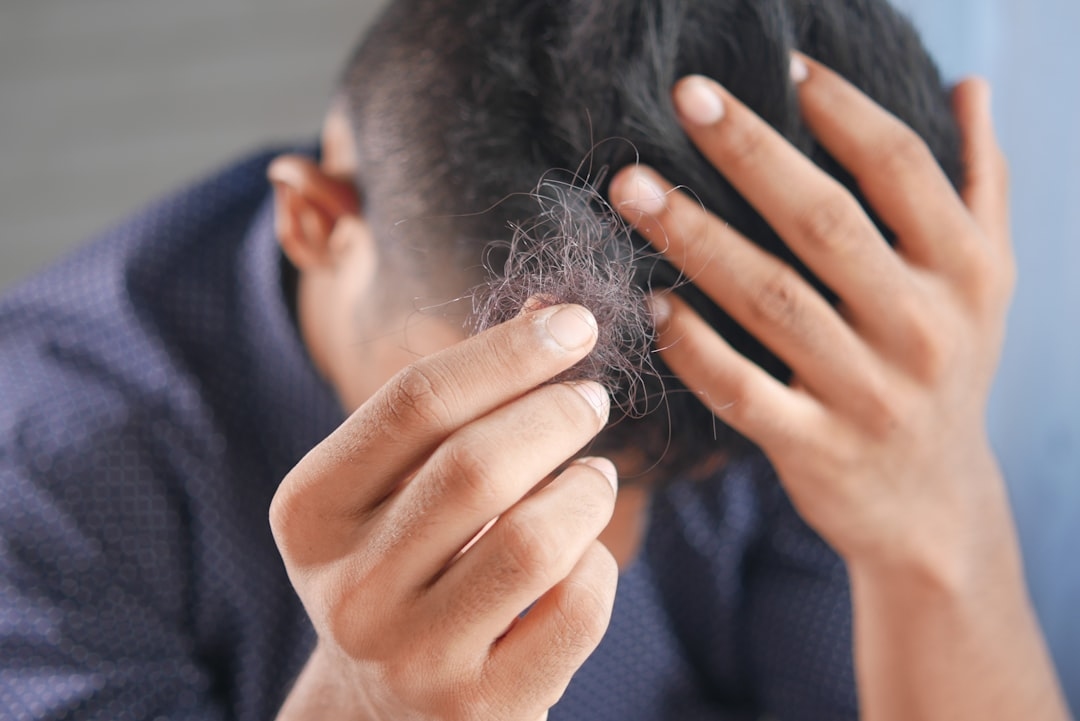
You reach for your brush on a Tuesday morning and something feels wrong. Strands come away in your hand more easily than they should. The ends of your hair feel rough and prone to snapping. Your scalp feels tight yet your hair looks limp. This isn’t vanity—this is damaged hair sending you a message.
Damaged hair isn’t a single condition. It’s a breakdown of the hair structure itself, and understanding what’s happening at the microscopic level helps you fix it properly.
What Is Damaged Hair?
Hair damage occurs when the cuticle layer—the outermost protective shield of your hair—becomes compromised. Your hair shaft contains three layers: the cuticle (the protective outer layer), the cortex (where strength and colour live), and the medulla (the innermost core). When heat, chemicals, mechanical stress, or environmental factors breach the cuticle, moisture leaks out and damage cascades inward.
Think of healthy hair like roof tiles lying flat and overlapping. Damaged hair has tiles that have lifted, cracked, or gone missing entirely. Water and nutrients escape. Breakage becomes inevitable.
In the UK market, damaged hair is one of the most common complaints professionals hear. The culprits are often a combination of factors: central heating, hard water, chemical treatments, and the relentless use of heat styling tools throughout the year.
The Signs You’re Dealing with Damaged Hair
Recognising damage early matters. The sooner you stop further harm, the sooner your hair can recover.
Visual and Tactile Signs
- Split ends—The hair shaft separates into two or more strands at the tip. These cannot be repaired; they must be cut.
- Frizz that won’t calm down—Even with product, your hair looks fuzzy and lacks shine. This signals a compromised cuticle.
- Dullness—Healthy hair reflects light. Damaged hair absorbs it, appearing flat and lifeless.
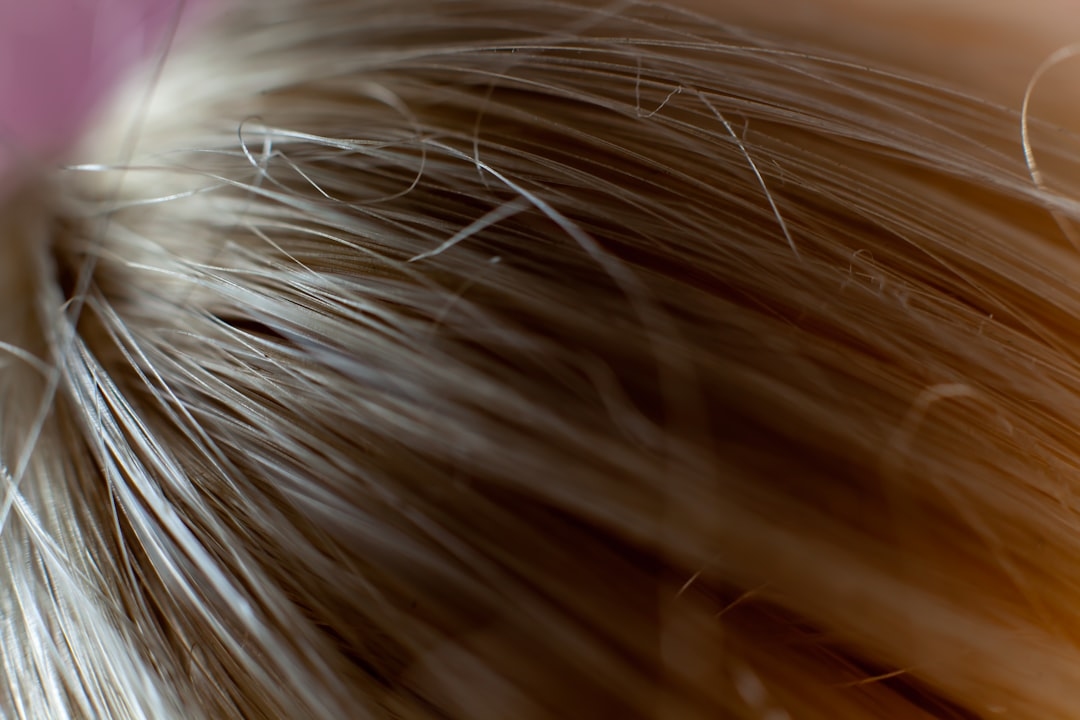
- Excessive breakage—Hair snaps mid-shaft, not just at the ends. You’ll notice short, wispy pieces around your hairline and crown.
- Tangling—Rough cuticles catch on each other. Your hair knots easily and resists detangling even when wet.
- Limp texture—Damaged hair loses elasticity. When you stretch a strand, it doesn’t spring back.
Scalp-Level Symptoms
Damage often starts at the scalp. Inflammation from chemical treatments or heat damage creates itching, tightness, and sometimes redness. Your scalp may overproduce oil to compensate for moisture loss, making your roots greasy while your ends remain dry.
How Damaged Hair Differs from Naturally Dry Hair
Here’s a common confusion: dry hair and damaged hair are not the same, though they often coexist.
Dry hair lacks moisture but retains structural integrity. The cuticle is still flat. Dry hair can absorb hydrating products and improve rapidly. A weekly deep conditioning treatment often fixes it within 2-3 weeks.
Damaged hair has a broken cuticle. Even with intensive conditioning, the structure won’t fully heal. The only true solution is a trim to remove the damaged section and prevent split ends from travelling further up the hair shaft.
Many people mistake their damaged hair for dry hair and spend months applying moisture products, wondering why nothing changes. The reality: you cannot condition away structural damage. You can only trim it out and prevent new damage.
What Causes Damaged Hair
Heat Styling
Blow dryers, straighteners, and curling irons open the hair cuticle. Using these tools at temperatures above 150°C (302°F) without heat protectant spray causes cumulative damage. Daily heat styling without breaks compounds the issue. By spring 2026, many people find their winter heating plus daily hot showers have damaged their hair significantly—this is the perfect seasonal moment to reassess your routine.
Chemical Treatments
Bleaching, permanent colour, perms, and relaxers chemically alter the hair structure. Even semi-permanent colour can cause damage if applied to previously coloured hair without proper care. Darkening colour is gentler than lightening, but repeated applications build up stress on the hair shaft. The NHS advises patch tests before chemical treatments, but many people skip this and suffer chemical burns to both scalp and hair.
Mechanical Stress
Tight hairstyles (braids, buns, extensions) create traction alopecia and damage the hair shaft through constant tension. Rough towel-drying, brushing wet hair aggressively, and using elastic bands that don’t have padding all contribute. This damage is preventable but often unnoticed until significant breakage appears.
Environmental Factors
UV radiation from the sun, salt water, chlorine from swimming pools, and hard water minerals all damage hair over time. Winter central heating in UK homes creates low humidity, pulling moisture from hair. Summer sun exposure without protection causes brittleness. Year-round, your hair faces environmental assault.
Harsh Products
Shampoos with high sulphate content strip the natural oils that protect your cuticle. Cheap conditioners can leave silicone buildup that weighs hair down and traps moisture underneath, creating the illusion of hydration while damage worsens beneath. Some purple shampoos and colour-depositing products are too alkaline for regular use and damage the cuticle.
Seasonal Timeline: When Damaged Hair Gets Worse
Damage isn’t evenly distributed across the year. Understanding seasonal patterns helps you adjust your routine:
- January–March: Central heating and cold wind cause the most damage. Hair becomes brittle. Frizz peaks. This is when most people notice significant breakage.
- April–June: Spring rain and variable temperatures stress the hair cuticle. If you had colour done over winter, damage shows up now. This is the ideal time for a refresh cut to remove winter-accumulated damage.
- July–September: Sun, chlorine from holidays, and salt water cause severe cuticle damage. UV exposure turns blonde hair brassy and weakens dark hair’s integrity.
- October–December: New damage accumulates as heating turns on. Summer-damaged hair continues breaking. Many people try intensive treatments now, hoping to fix months of accumulated damage before the year ends.
What You Can Do About Damaged Hair
Prevention First
Stop further damage before trying to repair what’s already broken. Use a heat protectant spray rated to at least 220°C before styling. Limit heat styling to 2-3 times per week. Invest in a silk pillowcase (£8-15 in UK shops) to reduce friction while you sleep. Never brush wet hair; use a wide-tooth comb instead.
Professional Help
A professional stylist can assess damage depth and recommend treatments. Protein treatments (like Olaplex, Redken, or salon brands) temporarily strengthen hair and improve appearance but don’t permanently repair damage. They cost £20-50 per treatment. These help if you’re growing out damaged ends, but they’re not a cure.
The Trim Reality
Cutting off 1–2 cm every 8-12 weeks removes damaged ends before they split further up the hair shaft. This single step prevents more damage than any product can. It’s maintenance, not failure.
Can Damaged Hair Heal?
Partially. Hair cannot repair a broken cuticle the way skin can heal a cut. Once the cuticle is compromised, that section of hair remains compromised. However, you can:
- Prevent new damage through protective practices
- Improve appearance and feel with deep conditioning and protein treatments
- Protect remaining length with careful handling
- Grow out healthy new hair while trimming damaged sections gradually
True recovery takes 6-12 months if you change your routine completely. You must trim every 8 weeks, stop heat styling, and use gentle products. Hair grows roughly 15 cm per year. To replace all your damaged hair means patience.
FAQ
Is all split hair damaged hair?
Yes. Split ends are the most visible form of damage. They signal that your hair cuticle has separated and moisture has escaped. Once split, that hair section cannot be repaired—only removed through trimming. Prevention through regular trims every 8-12 weeks stops splits from spreading further up your hair shaft.
Can products really fix damaged hair?
Products can improve appearance and feel but cannot repair structural damage. Deep conditioning masks and protein treatments temporarily coat the hair, smoothing the cuticle and adding shine. These work best as preventative care for healthy hair and as maintenance while you grow out damaged sections. Expect to spend £15-40 per treatment.
How do I know if my hair is dry or damaged?
Wet a single strand of hair and stretch it gently. Healthy or dry hair springs back immediately. Damaged hair stretches and doesn’t return to its original length—it stays limp. Also, dry hair usually improves within 2-3 weeks of deep conditioning. If nothing changes after two weeks of intensive treatment, your hair is likely damaged, not dry.
Is damaged hair genetic, or did I cause it?
You caused it. Hair damage comes from external factors: heat, chemicals, mechanical stress, and environmental exposure. Genetics determine your natural hair texture and how resilient your hair is to these factors, but damage itself always results from treatment or environment. This means you can prevent future damage by changing your routine.
How much will a good trim cost at a UK salon?
A basic trim at a high-street salon costs £18-35. Specialist salons and those in London charge £40-70. The investment matters because a good trim removes damage cleanly without causing new damage through blunt cuts. Budget-cutting can actually cause more breakage if scissors are dull or the stylist rushes.