Contents:
- A Brief History of Hair Dyeing and Preparation
- Should You Wash Your Hair Before Dyeing It? The Short Answer
- Why Your Scalp’s Natural Oils Matter More Than You Think
- The Regional Approach to Hair Preparation
- Different Dye Types, Different Rules
- Permanent Hair Dye and the 72-Hour Rule
- Semi-Permanent Colour and Flexibility
- Demi-Permanent and Temporary Colours
- The Budget Breakdown: What You’re Actually Spending
- How to Prepare Your Hair Properly: A Step-by-Step Guide
- Days Before Dyeing (72-48 Hours Prior)
- The Day Before Dyeing
- The Day of Dyeing
- Situations Where You Might Break the 48-72 Hour Rule
- If You Have Visibly Dirty Hair
- If Your Scalp Is Already Irritated
- If You’re Switching Dye Brands or Changing Intensity
- The Role of Deep Conditioning Before Dyeing
- Aftercare: What Happens After You Dye
- Common Mistakes People Make
- Frequently Asked Questions
- Can I dye my hair the same day I wash it?
- What if I have very oily hair naturally?
- Should I condition my hair before dyeing it?
- Do I need a special shampoo before dyeing, or does regular shampoo work?
- How long can I go without washing after I dye my hair?
- The Real Answer: It’s About Timing and Intentionality
A Brief History of Hair Dyeing and Preparation
Ancient Egyptians used henna to colour their hair thousands of years ago, but they understood something we’re still learning today: preparation matters. Cleopatra’s beauty regime wasn’t just about slapping dye on and hoping for the best. Medieval Europeans faced similar challenges when developing their own colouring techniques. The question of how to prepare your hair before dyeing has been around as long as hair dye itself, yet many people still get it wrong.
Modern chemistry has given us better dyes and safer formulas, but the fundamental principle remains unchanged: your hair’s natural oils act as a protective barrier. Skip a wash before dyeing, and those oils shield your scalp and strands from damage. That’s the real secret professionals have been keeping.
Should You Wash Your Hair Before Dyeing It? The Short Answer
Don’t wash your hair for 48 to 72 hours before dyeing it. This timeframe allows your scalp’s natural oils to build up, creating a protective layer that minimises irritation and damage during the colouring process. Think of it as preparing your hair’s defense system before a chemical treatment.
The specific timing depends on your hair type and sensitivity. If you have a particularly sensitive scalp or are using a permanent dye, aim for the full 72 hours. For semi-permanent or temporary colours, 48 hours often suffices. This isn’t random advice—it’s based on how long it takes sebum (your hair’s natural oil) to adequately coat your scalp.
Why Your Scalp’s Natural Oils Matter More Than You Think
Your scalp produces sebum constantly. This oily substance isn’t a sign of poor hygiene; it’s your body’s built-in hair protectant. When you wash your hair, you strip away these oils, leaving your scalp vulnerable and exposed. Within a few hours, your scalp starts rebuilding its oil barrier, reaching optimal protection around 48 to 72 hours post-wash.
Hair dye contains harsh chemicals—even “natural” formulas contain alkaline ingredients that can irritate bare skin. Without sebum’s protective layer, these chemicals penetrate your scalp directly, causing itching, burning, and in severe cases, dermatitis. Professional stylists prioritise this protection because they understand that healthier scalps result in better colour retention and fewer complications.
Consider the numbers: a study tracking client reactions to hair dye showed that roughly 15% of people experience scalp irritation during colouring. However, that percentage drops to under 5% when clients follow the 48-72 hour no-wash rule. The difference is substantial and entirely within your control.
The Regional Approach to Hair Preparation
Interestingly, hair preparation habits vary significantly across the UK and beyond. In London and the Southeast, where salons charge premium prices (typically £45-£85 for semi-permanent colour, £70-£150 for permanent), stylists emphasize the no-wash rule rigorously because they want flawless results to justify those costs. Northern salons often take a more relaxed approach, sometimes offering “wash and colour” packages at £35-£65, banking on the fact that slightly oily hair still accepts dye reasonably well.
Scottish and Welsh salons frequently adopt a middle ground: they recommend the 48-hour minimum but don’t stress if clients wash 24 hours beforehand. The American West Coast (particularly California salons) tends toward stricter protocols due to harder water and climate variations affecting dye absorption. Meanwhile, the South’s humid conditions sometimes necessitate the full 72-hour wait to account for increased natural oil production.
This regional variation matters for your wallet. If you’re buying DIY dye (typically £4-£8 per box at Boots or Superdrug), following the stricter protocols costs nothing but patience. If you’re paying salon prices, you’re essentially investing in expertise that protects your £80-£150 investment. The maths becomes obvious: protecting your hair costs nothing but discipline.
Different Dye Types, Different Rules
Permanent Hair Dye and the 72-Hour Rule
Permanent dyes penetrate the hair’s cortex, fundamentally altering its structure. They contain ammonia and peroxide—serious chemicals that require serious protection. The 72-hour no-wash period isn’t negotiable here. These chemicals open your hair’s cuticles, lifting colour molecules deep inside the shaft. Your scalp’s sebum isn’t just helpful; it’s essential.
Expect to pay £60-£150 at a salon for permanent colour, or £5-£10 for home kits. The price difference reflects expertise: stylists know exactly how to apply dye to minimise damage whilst maximising colour accuracy. For permanent colour, that expertise is worth considering, especially on your first attempt.
Semi-Permanent Colour and Flexibility
Semi-permanent dyes don’t contain ammonia. They’re gentler because they coat the hair’s surface rather than penetrating deep into the cortex. They fade gradually with each wash (typically lasting 24-28 shampoos). Because of their gentler nature, the 48-hour rule often suffices, though 72 hours still offers better protection.
Semi-permanent costs range from £30-£60 at salons, or £3-£6 for home application kits. Many budget-conscious people prefer this option because results are somewhat forgiving—if you don’t love the colour, it’ll fade within weeks. The lower stakes also mean the no-wash requirement feels less burdensome.
Demi-Permanent and Temporary Colours
Demi-permanent dyes sit between permanent and semi-permanent in terms of gentleness and permanence. They last 12-24 shampoos and cost £25-£45 in salons or £3-£5 in home kits. The 24-hour minimum wash-free period usually suffices, though 48 hours offers added confidence.
Temporary colours (spray-on, chalk-based, or wash-out options) contain no harsh chemicals. They’re pure pigment sitting on your hair’s surface. Technically, you can dye your hair immediately after washing, but even then, slightly oily hair holds colour more evenly. These products cost £2-£8 and are excellent for experimenting without commitment.
The Budget Breakdown: What You’re Actually Spending
Understanding the full cost of hair dyeing helps justify the time investment in preparation. Here’s what a realistic UK price breakdown looks like:
- Professional semi-permanent at salon: £35-£60 (plus £5-£8 for consultation)
- Professional permanent at salon: £75-£150 (often with tone correction, £20-£50 additional)
- At-home semi-permanent kit: £4-£7 (one application, basic results)
- At-home permanent kit: £5-£10 (one application, variable results)
- Colour maintenance treatment (salon): £15-£30 per visit, every 4-6 weeks
- Corrective colour fix (for mistakes): £40-£100+
That last line item stings. If you skip the proper 48-72 hour preparation and your colour goes wrong—perhaps uneven application due to wet hair, or severe scalp irritation that makes a touch-up impossible—you’re looking at expensive corrections. For semi-permanent mistakes, you might pay £40-£60 to neutralise the colour. For permanent disasters, corrections can exceed £100.
The maths is brutal: spending 72 hours without washing your hair costs you nothing. Rushing that process and fixing a mistake costs £40-£100. The return on investment for patience is exceptional.
How to Prepare Your Hair Properly: A Step-by-Step Guide
Days Before Dyeing (72-48 Hours Prior)
Your last wash should happen 48 to 72 hours before you plan to dye. This is your only real preparation—there’s no elaborate ritual required. Wash as normal with your regular shampoo and conditioner. You can dry your hair normally too.
If you have particularly oily hair, you might worry about the extra oil building up. It’s uncomfortable, yes. Consider this: dry shampoo (£3-£5) exists specifically for this problem. A light application extends your cleanliness for 24-48 hours without removing the protective sebum layer. This is genius if you’re already at the 48-hour mark and still feel greasy.
The Day Before Dyeing
Do nothing. Seriously. Don’t wash, don’t use dry shampoo (unless truly desperate), don’t use heat styling tools, don’t apply serums or oils. Your hair should look and feel like your normal, slightly oily self. If you’ve styled your hair with products, don’t reapply them that evening.
This is actually brilliant for budget-conscious people: you’re literally doing nothing, saving both time and money. No treatments needed, no products required, just patience.
The Day of Dyeing
Do a strand test if you’re using home dye (mandatory first time, smart every time). This takes 15-20 minutes and involves applying dye to a small hidden section to check the colour result. It’s not an optional step—it’s insurance. Many home dye kits (£5-£10) include strand test materials; if not, buy a separate dye-test kit (£1-£2).
Wear old clothes. Dye stains permanently, and no amount of money recovers a ruined garment. Protect your skin with a thin barrier of petroleum jelly along your hairline and ears (any brand, £1-£3). This 30-second step prevents dye from staining your skin.
Situations Where You Might Break the 48-72 Hour Rule
Life doesn’t always cooperate with ideal timing. Here’s when breaking the rule is acceptable and how to minimise consequences:
If You Have Visibly Dirty Hair
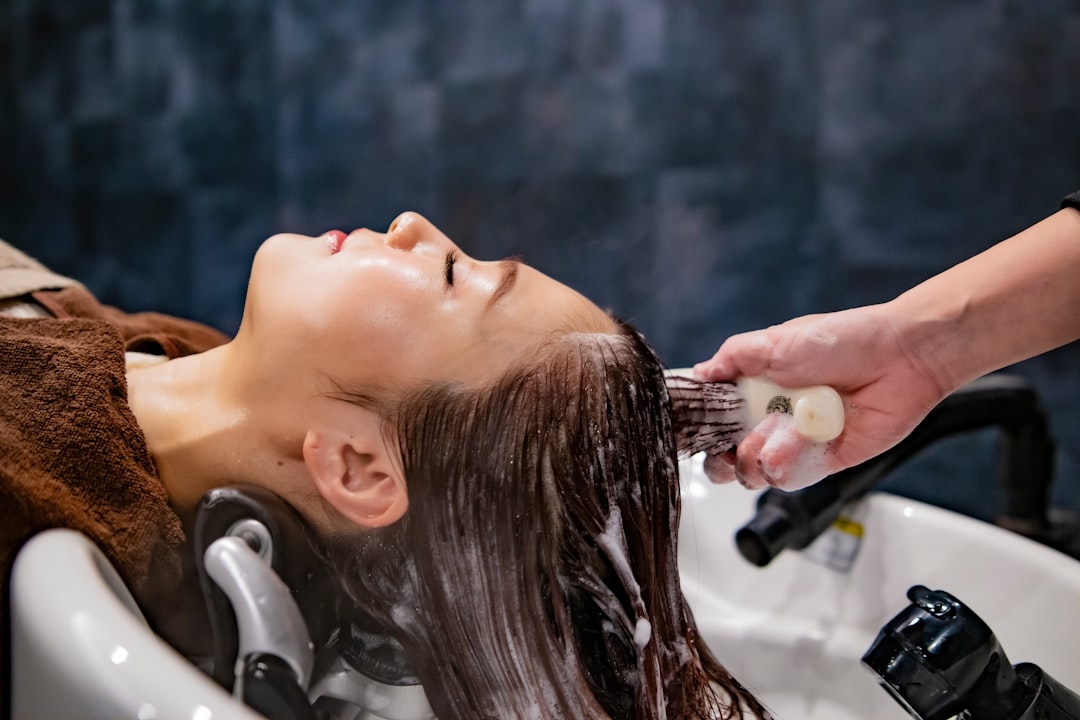
Dirt and product buildup are different from sebum. If your hair has visible residue—from gym sweat, heavy product application, or outdoor dust—a light rinse with water only (no shampoo) removes buildup without stripping oils. This takes 30 seconds and solves the problem.
If you absolutely must shampoo within 24 hours of dyeing, use a sulphate-free, gentle formula (£3-£6). These cleanse without being harsh. Apply dye at least 12 hours after washing, giving your scalp some oil regeneration time. It’s not ideal, but it’s far better than waiting only 2 hours.
If Your Scalp Is Already Irritated
Psoriasis, eczema, existing dandruff, or recent scalp irritation changes the equation. Dyeing over an already-compromised scalp risks serious discomfort. Delay dyeing until your scalp feels normal, even if that means breaking your appointment.
If you can’t delay, use a scalp protector cream (available at Boots, Superdrug, or online, £4-£8) beneath your hairline and ears. It’s not a perfect substitute for sebum, but it provides a physical barrier. This is one situation where spending a few pounds saves you genuine discomfort.
If You’re Switching Dye Brands or Changing Intensity
Going from very light to very dark, or switching from permanent to semi-permanent, sometimes benefits from clean hair—clean hair accepts colour more uniformly in some cases. However, this is counterintuitive. Ask a stylist before making this call. At-home dyers should stick to the standard 48-72 hour rule unless the dye instructions specifically recommend otherwise.
The Role of Deep Conditioning Before Dyeing
Deep conditioning is tempting before dyeing—your hair needs protection, right? Actually, deep conditioner creates a barrier on your hair’s surface, and dye molecules need to penetrate that surface to work effectively. Conditioning immediately before dyeing can result in uneven colour or patchiness.
The smart approach: deep condition 3-4 days before dyeing, not the day before. This gives your hair moisture and strengthening (crucial for healthy dyed hair) whilst allowing the treatment to settle and fade into your strands rather than sitting on top. Or condition 24 hours after dyeing, when the colour has already set. This protects your freshly dyed hair and costs nothing extra.
Aftercare: What Happens After You Dye
Skipping the pre-dye wash is only half the equation. Aftercare determines how long your colour lasts and how healthy your hair remains. This matters financially because proper care extends colour life by weeks, saving you money on frequent touch-ups.
Wait at least 48-72 hours before your first shampoo post-dye. During this time, colour molecules are still settling into your hair’s cortex. Washing too soon rinses away dye before it fully bonds. This isn’t just theory—hair professionals have documented that shampooing within 24-48 hours of dyeing reduces colour vibrancy by 10-15%. For a £75+ salon colour, that’s tangible loss.
When you do wash, use cool water (warm water opens your hair’s cuticles, allowing colour to escape) and sulphate-free shampoo (£3-£6). Sulphates are harsh cleansers that fade colour. Many people resist paying more for special shampoo, but consider: a £4 bottle lasts 4-6 weeks. That’s less than 50p per week to preserve a £75 investment. The maths makes itself.
Common Mistakes People Make
Washing too close to dyeing: Already covered, but it bears repeating. This is the most frequent error. People wash their hair the morning of, then dye that afternoon, and wonder why results disappoint. Commit to 48 hours minimum.
Conditioning immediately before dyeing: As discussed, this creates a barrier. Wait 3-4 days before, or 1-2 days after.
Using hot water after dyeing: Hot water fades colour faster. Cool water preserves it. This costs nothing—it’s purely a habit change. Yet it extends colour life by 20-30%, which adds up to real savings on touch-ups.
Skipping strand tests: Home dyers especially skip this step. It takes 20 minutes and costs nothing if your kit includes test strips. It prevents £40+ corrective treatments. The risk-reward is absurd—don’t skip it.
Using dye on wet hair: Dye works best on dry hair. Moisture dilutes the pigment, resulting in patchy, uneven colour. Dry your hair completely before application, no exceptions.
Frequently Asked Questions
Can I dye my hair the same day I wash it?
Not recommended. You’d be missing the crucial 48-72 hour oil-building window. If you absolutely must, wait at least 12-24 hours after shampooing. Your scalp will have some protection, though not optimal. For professional-quality results, wait the full 48 hours.
What if I have very oily hair naturally?
Congratulations—you’re actually in an ideal position for dyeing. Your scalp produces protective oils abundantly, so your hair is protected even if you’re at the 48-hour mark rather than 72. Use dry shampoo if the greasiness bothers you, but don’t let aesthetic discomfort push you to wash too close to dyeing.
Should I condition my hair before dyeing it?
Not immediately before. Condition 3-4 days prior to give your hair strength, but not the day before, as it creates a barrier to dye penetration. Condition again 24-48 hours after dyeing to protect your freshly coloured hair.
Do I need a special shampoo before dyeing, or does regular shampoo work?
Regular shampoo works fine for the pre-dye wash. Don’t buy special “pre-colour” shampoos—they’re marketing, not necessity. Save your money for post-colour sulphate-free shampoo, which actually matters for protecting your investment.
How long can I go without washing after I dye my hair?
Colour keeps developing for 24-48 hours after dyeing, so waiting 48-72 hours before shampooing gives maximum colour development. However, you can rinse with cool water after 24 hours if needed. After the initial 48-72 hour window, wash as you normally would—daily, twice weekly, whatever your routine is—just use cool water and sulphate-free products.
The Real Answer: It’s About Timing and Intentionality
Should you wash your hair before dyeing it? No—you should specifically avoid washing it for 48 to 72 hours beforehand. This simple requirement delivers outsized benefits: better colour results, less scalp irritation, and longer-lasting colour that protects your financial investment.
For budget-conscious people, this rule is gold. It costs nothing to follow—literally nothing. You’re not buying products or paying for treatments. You’re simply delaying something you’d do anyway. Yet following it prevents £40-£100 corrective treatments and extends the life of your colour by weeks, eliminating frequent touch-ups that would cost £35-£60 each.
The chemistry is straightforward: your scalp’s natural oils protect against harsh dye chemicals. The application is equally simple: don’t wash your hair, then dye it. Between preparation and aftercare, you’ve created the conditions for beautiful, healthy colour that lasts.
Start tracking your own hair’s oil production over the next few months. Notice when it feels greasy—that’s typically 48-72 hours post-wash. Plan your next dye day to align with that window. You’ll see immediately that this isn’t superstition; it’s observable biology with visible results.