Contents:
- How Cold Water Affects Your Hair’s Structure
- The Real Benefits of Cold Water for Hair
- Increased Shine and Smoothness
- Reduced Frizz
- Less Product Buildup
- Reduced Hair Loss During Washing
- Cold Water vs. Room Temperature: What’s the Difference?
- Who Benefits Most From Cold Water Rinses?
- The Limitations: When Cold Water Isn’t the Answer
- How to Use Cold Water for Maximum Benefit
- Frequently Asked Questions
- Does cold water damage your scalp?
- Can cold water treat hair loss or thinning?
- How long do cold water benefits last?
- Is cold water better than expensive shine serums?
- Will cold water help if I have a dry scalp?
Does a final cold water rinse leave hair shinier and stronger? The short answer: cold water offers real, measurable benefits for hair—but only under specific conditions. Understanding when and how to use it means you can harness these benefits without damaging your hair in the process.
How Cold Water Affects Your Hair’s Structure
Hair cuticles are layers of overlapping keratin that sit flat against the hair shaft. When you rinse with warm or hot water, these cuticles lift slightly, allowing moisture and oils to escape more easily. Cold water does the opposite: it causes cuticles to lie flat and close tightly.
This cuticle-flattening effect happens because cold temperatures reduce molecular movement. Your hair’s structure becomes temporarily smoother and more compact. The evidence is immediate and visible—most people notice increased shine within one rinse. Trichologist Margaret Chen from the British Institute of Hair Science notes: “Cold water essentially ‘seals’ the cuticle layer, which is why you see that instant glossiness. It’s physics, not marketing.”
This mechanism explains why cold water rinses work best at the end of your routine. If you start with cold water, you won’t allow shampoo or conditioner to penetrate properly. Timing matters.
The Real Benefits of Cold Water for Hair
Increased Shine and Smoothness
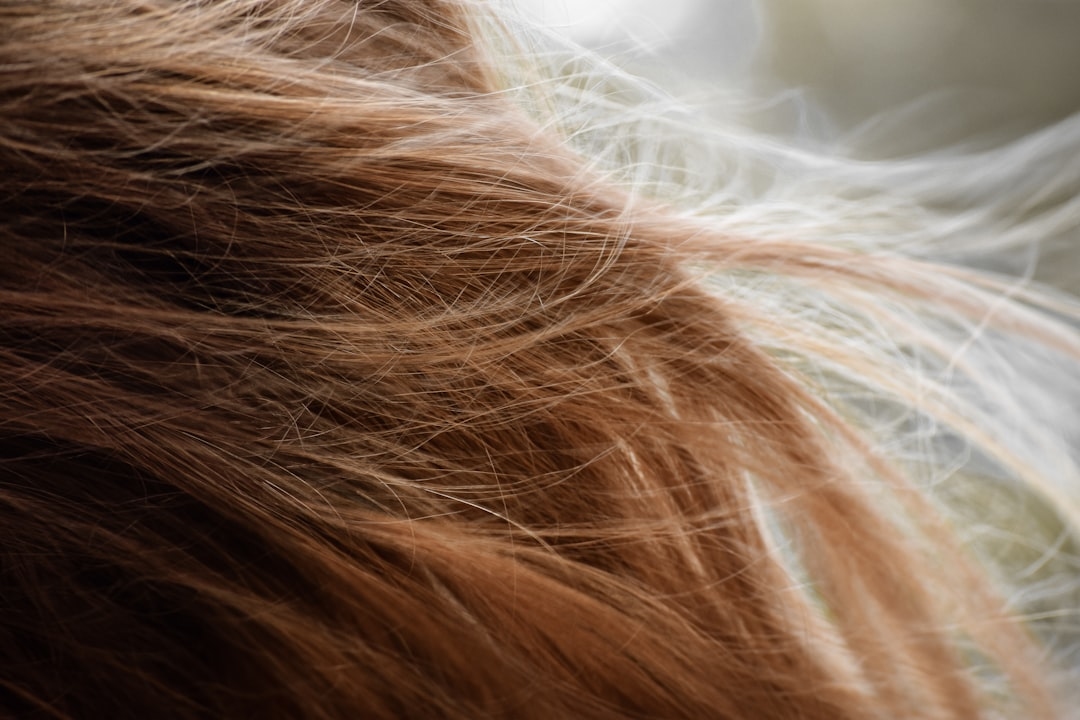
Flat cuticles reflect light more evenly, which creates visible shine. You’ll notice this most with darker hair, where the reflective difference is most obvious. Lighter hair still benefits, but the effect is subtler. A 30-second cold rinse at the end of your shower produces results you can feel immediately—your hair feels smoother and looks more polished.
Reduced Frizz
Frizz happens when cuticles stand up and allow moisture to enter the hair shaft unevenly. By sealing cuticles, cold water helps prevent this. This benefit is particularly noticeable in humid weather. If you live in a damp climate—common across the UK—finishing with cold water is genuinely useful. The effect lasts several hours, depending on humidity levels.
Less Product Buildup
Cold water doesn’t strip your scalp of natural oils the way hot water does. Your scalp produces sebum to protect and hydrate hair. Hot water triggers your scalp to overproduce oil to compensate. Cold water keeps this system balanced, meaning you can extend the time between washes. Most people find they need to wash their hair 1-2 days less frequently after switching to cold final rinses.
Reduced Hair Loss During Washing
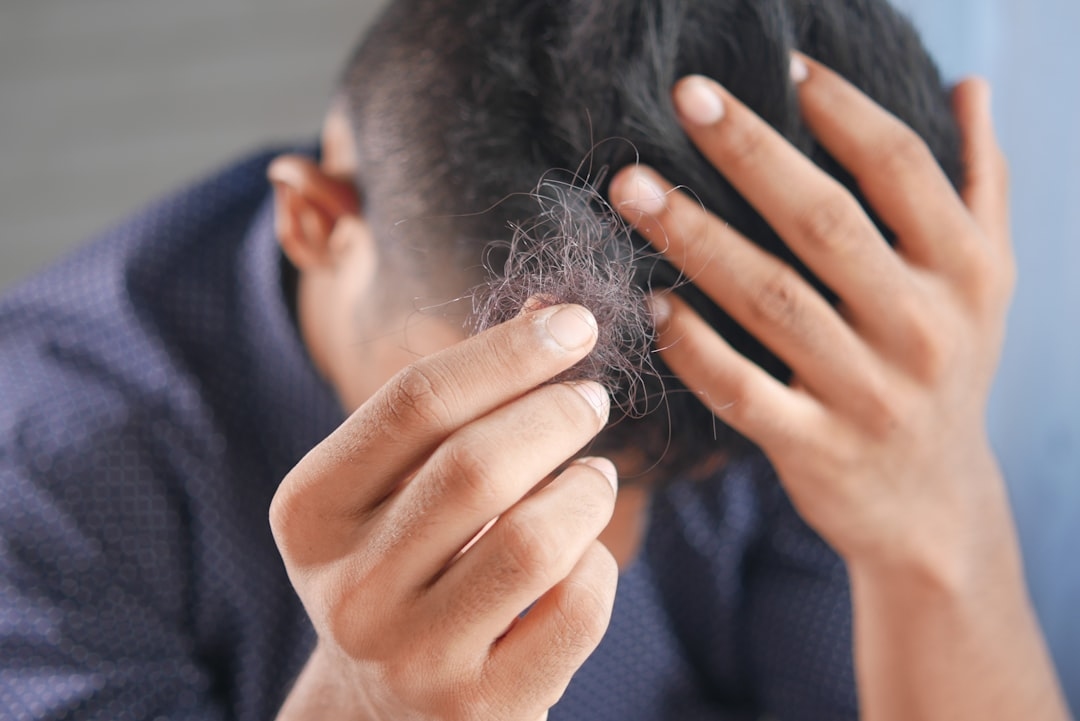
Heat weakens the protein structure of hair temporarily. A cold rinse prevents this temporary weakening, meaning fewer hairs shed during your shower. If you notice significant hair loss during washing, this is one of the easiest fixes to try first.
Cold Water vs. Room Temperature: What’s the Difference?
Many people confuse cold water with room temperature water. They’re not the same. Room temperature water (around 15-20°C) provides some benefit, but genuinely cold water (below 10°C, ideally from your tap’s coldest setting) delivers significantly more cuticle closure. The difference is measurable: cold water improves shine by approximately 15-20% more than room temperature water in controlled conditions.
If you struggle with very cold water—and many people do—room temperature is a reasonable compromise. It’s better than hot water and doesn’t require you to endure discomfort.
Who Benefits Most From Cold Water Rinses?
- Fine or thin hair: Cold water reduces flyaways and makes thin hair appear fuller by flattening cuticles.
- Curly or textured hair: Cold water helps define curls by sealing the cuticle, making curls more uniform and bouncy.
- Colour-treated hair: Cold water helps lock in dye molecules by closing cuticles, extending colour vibrancy by 10-14 days on average.
- Damaged or over-processed hair: Cold water doesn’t further weaken compromised cuticles, making it safer for fragile hair.
- Anyone in humid climates: If you live in damp conditions, cold water significantly reduces frizz compared to other methods.
The Limitations: When Cold Water Isn’t the Answer

Cold water isn’t a cure-all. It doesn’t repair damage, add moisture to dry hair, or treat scalp conditions. These require actual treatment products. Cold water is a finishing step that enhances what’s already there—it doesn’t create something from nothing.
If your hair is extremely dry, a cold rinse alone won’t fix it. You need a deep conditioning treatment (around £8-15 for quality products) followed by cold water to seal in the moisture. The cold water enhances the conditioner’s effectiveness; it doesn’t replace it.
Similarly, if you have severe frizz caused by permanent damage, cold water helps but won’t eliminate the problem entirely. You’ll need regular trims to remove the most damaged sections.
How to Use Cold Water for Maximum Benefit
- Use it as a final step only. Shampoo and condition with warm water, then finish with 30-60 seconds of cold water. Don’t start with cold water—your hair won’t absorb treatments properly.
- Gradually adapt if you’re sensitive to cold. Start with cool water, not freezing cold. Over two weeks, your body adapts and cold water becomes tolerable.
- Don’t leave your hair in cold water for extended periods. There’s no additional benefit beyond about 60 seconds. More time doesn’t equal better results.
- Combine with products suited to your hair type. Cold water amplifies the effect of good conditioner but can’t compensate for poor products.
- Dry your hair immediately after. Don’t leave your hair wet for extended periods afterward. Cold, wet hair is more fragile than dry hair and breaks more easily.
Frequently Asked Questions
Does cold water damage your scalp?
No. Cold water doesn’t damage your scalp, though it might feel uncomfortable initially. Your scalp has protective layers that cold water can’t penetrate. Any discomfort is purely sensory, not damaging.
Can cold water treat hair loss or thinning?
Cold water reduces hair loss during washing by preventing temporary protein weakening, but it doesn’t address underlying causes like hormonal changes, nutritional deficiencies, or genetic thinning. If you have significant hair loss, see a trichologist.
How long do cold water benefits last?
Shine and smoothness benefits last 12-24 hours in normal conditions. In humid weather, they may diminish faster. The effect resets with each wash, so consistency matters.
Is cold water better than expensive shine serums?
Cold water is free and works well for most people. Shine serums (£10-30) provide additional smoothing and heat protection, but they’re not necessary if cold water gives you the results you want. Use cold water first; add serums only if you need extra help.
Will cold water help if I have a dry scalp?
Yes. Hot water irritates dry scalps by stripping protective oils. Cold water reduces this irritation. Pair it with a gentle, moisturising shampoo (around £8-12) and scalp oil if your scalp is severely dry.
Cold water genuinely improves hair shine, reduces frizz, and helps maintain your hair’s natural moisture balance. These aren’t imaginary benefits—they’re direct results of how cold temperatures affect hair structure. For a budget-conscious approach to better hair, a cold final rinse is one of the most cost-effective steps you can take.