Contents:
- What Does Dry Hair Actually Feel Like?
- Key Visual Signs Your Hair is Dry
- Dull, Lacklustre Appearance
- Visible Split Ends and Breakage
- Frizz and Flyaways
- Physical Tests You Can Do Right Now
- The Slip Test
- The Water Absorption Test
- The Moisture Check at Different Lengths
- How Dry Hair Behaves When Styled
- Difficulty Holding Moisture After Washing
- Response to Heat Styling
- Distinguishing Dry Hair from Similar Conditions
- Dry Hair vs. Dehydrated Hair
- Dry Hair vs. Damaged Hair
- Dry Hair vs. Low-Porosity Hair
- What the Pros Know
- How Severe Is Your Dryness? A Severity Scale
- Mild Dryness
- Moderate Dryness
- Severe Dryness
- Common Causes of Dry Hair
- Heat Styling and Blow Drying
- Chemical Treatments
- Harsh Shampoos and Over-Washing
- Environmental Factors
- Nutritional and Health Factors
- Practical Steps to Address Dry Hair
- Adjust Your Washing Routine
- Introduce a Weekly Deep Conditioning Treatment
- Use a Leave-In Conditioner
- Minimise Heat Styling
- Get a Trim Every 8-10 Weeks
- Frequently Asked Questions
- How quickly can I improve dry hair?
- Can dry hair become permanently damaged?
- Is coconut oil good for dry hair?
- Does drinking water help dry hair?
- When should I see a professional for dry hair?
- Moving Forward with Healthy Hair
You run your fingers through your hair after stepping out of the shower, and something feels off. The strands catch and tangle more than usual. When you brush, wisps of frizz seem to multiply. Later, catching your reflection in a mirror, the ends look pale and brittle rather than glossy. You suspect dry hair, but how do you know for certain? More importantly, what distinguishes genuinely parched locks from hair that simply needs a different styling approach?
Identifying dry hair accurately matters because the treatment depends on the diagnosis. Misdiagnosis leads to wasted products and worsening texture. This guide walks through the diagnostic signs professionals use, practical at-home tests you can run today, and how to distinguish dry hair from other common conditions that look similar.
What Does Dry Hair Actually Feel Like?
Healthy hair has a smooth cuticle layer that lies flat, allowing light to reflect evenly and creating shine. Dry hair has a raised cuticle layer with gaps and roughness, which scatters light and produces a dull appearance instead. The difference is tactile as well as visual.
When you touch dry hair, it feels rough, crispy, or papery. In contrast, healthy hair has a soft, slippery texture. If you run your fingers from root to tip, dry hair catches and snags. The moisture content drops below 10 percent in severely dry hair, compared to 12-13 percent in normal hair. This loss of hydration changes the protein structure itself, making strands brittle and prone to snapping rather than bending.
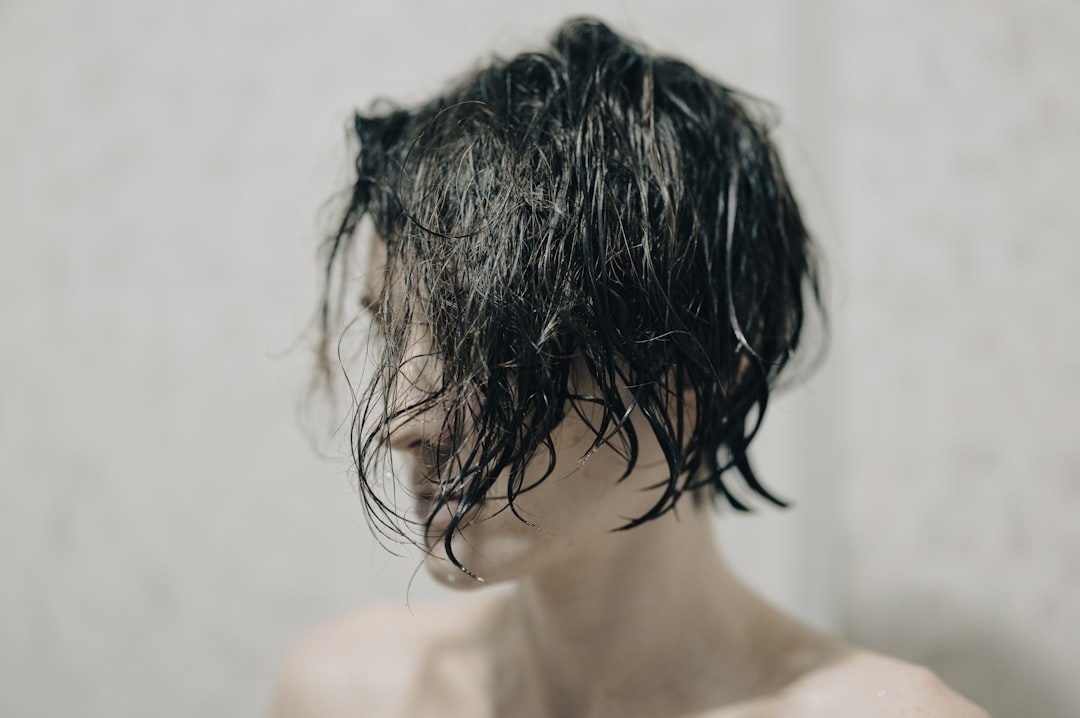
The feel intensifies when your hair is wet. Normal wet hair becomes limp and stretches easily. Dry wet hair becomes almost stringy, like straw soaked in water. It feels gummy or tacky because the outer cuticle is so damaged it cannot hold water properly.
Key Visual Signs Your Hair is Dry
Before touching your hair, look at it closely in natural light. Visual cues are often the first indicators.
Dull, Lacklustre Appearance
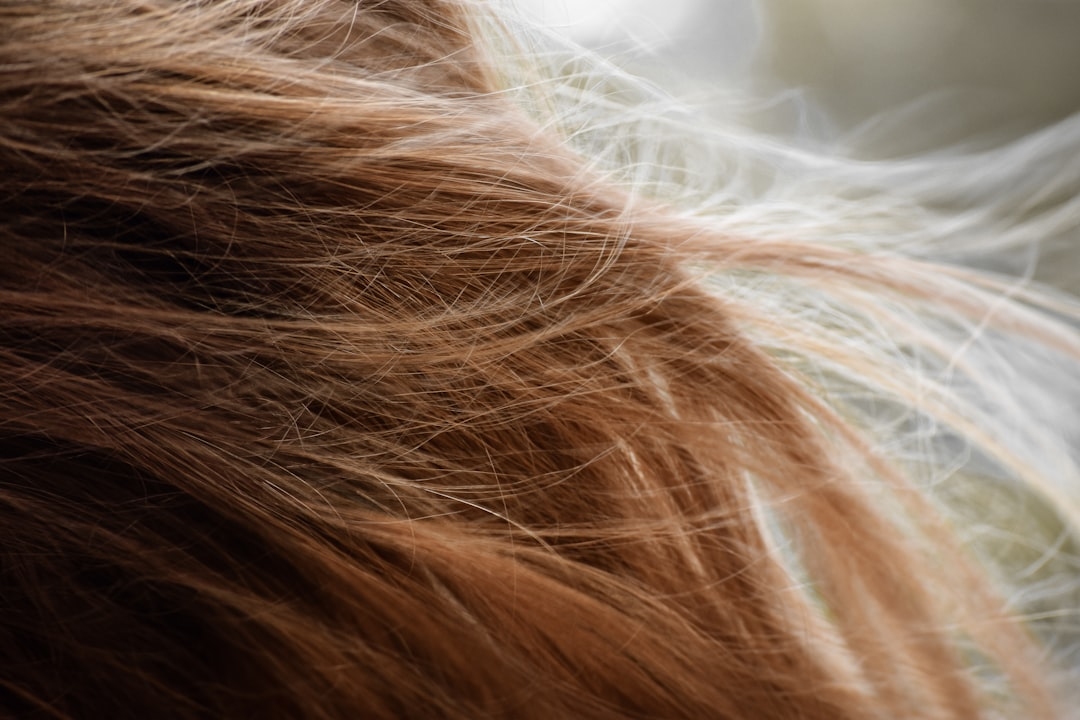
Healthy hair reflects light and appears shiny. Dry hair absorbs light unevenly due to the raised cuticle, creating a matte or flat appearance. This dullness typically starts at the mid-lengths and worsens towards the ends. If your hair looked glossy six months ago and now appears lifeless despite regular washing, dryness is likely the culprit.
Visible Split Ends and Breakage
Split ends are one of the most reliable indicators of dry hair. When the cuticle layer is raised and damaged, the inner cortex becomes exposed to air and moisture loss. The hair shaft splits at the tip, creating the characteristic Y-shape. Severe dryness causes splits higher up the hair shaft, not just at the very ends. You might also notice shorter broken hairs around your hairline or crown when you comb, a sign that the hair is snapping rather than shedding naturally.
The frequency of split ends varies by hair length and texture. Hair reaching below shoulder length typically develops visible splits every 8-12 weeks in dry conditions, compared to 12-16 weeks in well-moisturised hair.
Frizz and Flyaways
Frizz appears when individual hair cuticles are raised and absorb ambient moisture unevenly. Dry hair is especially prone to this because the cuticle lacks natural oils to seal it flat. On humid days, the contrast between dry hair and moisture-rich air causes cuticles to swell unpredictably, creating that frizzy halo. In dry climates, frizz is less noticeable but the underlying dryness is still present.
Physical Tests You Can Do Right Now
The Slip Test
Hold a single strand of hair between your thumb and forefinger. Slowly slide your fingers from the root towards the tip. In healthy hair, your finger glides smoothly with little resistance. The strand feels soft and slippery. In dry hair, your fingers catch and feel resistance. The strand feels rough, like fine sandpaper. This test works best with longer hair or hair that has been hair recently washed.
Perform this test on three or four different sections—crown, sides, and back. If most sections feel rough, your hair is dry throughout. If only the ends feel rough, you have dry ends but potentially oily roots, which is a common pattern in longer hair.
The Water Absorption Test
Fill a glass with room-temperature water and drop a single strand of clean, dry hair into it. Healthy hair sinks within 5-10 seconds because the protein-rich cortex is denser than water. Dry, porous hair floats for 30-60 seconds or longer because it is filled with air pockets from damage and moisture loss. The raised cuticles trap air, increasing buoyancy.
This test reveals porosity, which is directly linked to dryness. High-porosity hair has been damaged and cannot retain moisture, leading to chronic dryness even with regular conditioning. Low-porosity hair resists water absorption, which can look like dryness but requires different treatment.
The Moisture Check at Different Lengths
Wet a small section of your hair at the roots, mid-lengths, and tips separately. Observe how quickly it dries. Roots typically dry within 5-10 minutes because they are closest to the scalp’s natural oils. Dry ends might take 20+ minutes to fully hydrate and feel soft. If there is a dramatic difference, dryness is concentrated at the ends rather than throughout.
How Dry Hair Behaves When Styled
Your styling routine reveals a lot about hair moisture levels. Dry hair behaves distinctly differently from healthy hair under heat and manipulation.
Difficulty Holding Moisture After Washing
After shampooing, healthy hair stays damp for 15-30 minutes before air drying further. Dry hair dries extremely quickly, sometimes within 5-10 minutes, because the cuticles are raised and cannot seal in moisture. If your hair is dry to the touch just minutes after rinsing, dryness is advanced.
Conversely, if your hair stays soaking wet for hours, you likely have low-porosity hair rather than dry hair, as the water cannot penetrate the tightly sealed cuticles.
Response to Heat Styling
Dry hair becomes even more brittle and prone to breakage when exposed to heat. If you notice significantly more breakage when you use a blow dryer or straightener, dryness is a factor. Healthy hair can tolerate heat with proper heat protectant products. Dry hair breaks noticeably even with heat protection because the structural integrity is already compromised.
Also notice whether your styled hair loses its shape quickly. Dry, damaged hair has poor elasticity, so curls drop out fast and blow-dried volume falls flat within hours. This is different from limp hair lacking volume, which indicates too much moisture rather than too little.
Distinguishing Dry Hair from Similar Conditions
Several conditions mimic dry hair but require different treatment, so accurate diagnosis is critical.
Dry Hair vs. Dehydrated Hair
Dry hair lacks natural oils (lipids) in the cuticle layer. Dehydrated hair lacks internal moisture but may have natural oils, creating a confusing texture: slick at the roots but brittle at the mid-lengths and ends. Dehydrated hair feels limp and lacks shine but also feels oily to the touch. Treat dehydrated hair with hydrating conditioners and water-based serums rather than oil-based products.
To distinguish them, wash your hair and assess how it feels an hour later. If it feels dry and rough, you have dry hair. If it feels soft and hydrated but becomes limp and oily again within 12 hours, dehydration is the issue.
Dry Hair vs. Damaged Hair
Dry hair and damaged hair overlap but are not identical. Damaged hair has a compromised cuticle from heat, chemicals, or physical stress. Dry hair has low moisture and oil content. Hair can be one, both, or neither. Colour-treated hair is typically both damaged and dry. Virgin (uncoloured) hair that is naturally dry shows dryness but without the chemical or heat damage.
The treatment differs: dry virgin hair responds well to moisture-rich conditioners and oils, while damaged hair often needs protein-based treatments to rebuild the cuticle structure. A deep conditioning mask with both protein and moisture addresses both issues.
Dry Hair vs. Low-Porosity Hair
Low-porosity hair has tightly sealed cuticles and resists water absorption, which can feel and look like dryness. However, low-porosity hair often does not lack moisture; it simply cannot absorb it easily. These hairs look dull and may feel rough, similar to dry hair, but they actually have normal or high oil content.
Test porosity: low-porosity hair floats in water, while dry hair sinks or floats depending on damage level. Low-porosity hair responds better to lightweight, water-based conditioners and heat (which opens cuticles temporarily). Dry hair needs heavier oils and butters.
What the Pros Know
How Severe Is Your Dryness? A Severity Scale
Dry hair ranges from mild to severe. Identifying your level helps you choose appropriate treatments and determine if professional help is needed.
Mild Dryness
Symptoms: slight dullness, occasional split ends, manageable frizz on humid days, soft texture but reduced shine compared to before. Treatment: weekly deep conditioning mask (£5-15 per mask), leave-in conditioner, minimising heat styling to twice weekly or less. Results appear within 2-3 weeks.
Moderate Dryness
Symptoms: noticeable dullness, visible split ends throughout the mid-lengths, significant frizz daily, rough texture especially when wet, breakage when brushing. Treatment: twice-weekly deep conditioning, protein treatments every 10-14 days, limiting heat styling to once weekly, switching to sulphate-free shampoo (£3-8 per bottle). Results appear within 4-6 weeks.
Severe Dryness
Symptoms: very dull appearance, split ends concentrated at the tips and higher up the shaft, severe breakage during brushing, straw-like texture even when damp, hair tangling excessively, difficulty managing. Treatment: professional treatments (keratin treatments or moisture masks at a salon, £40-90 per session), daily leave-in conditioner, heat protectant every time you style, consider a trim to remove the most damaged ends. Consult a stylist if dryness worsens despite home treatment, as underlying conditions (hormonal imbalances, nutritional deficiencies) may be involved.
Common Causes of Dry Hair
Understanding what caused your dryness helps prevent it recurring.
Heat Styling and Blow Drying
Heat damages the cuticle and evaporates moisture. Blow drying your hair 4+ times weekly significantly increases dryness risk. Use heat protectant sprays (which create a barrier) before blow drying. Limit heat styling to 2-3 times weekly if your hair is already dry. Air drying or microfiber towels are gentler alternatives.
Chemical Treatments
Colouring, perming, relaxing, and bleaching all damage the cuticle and remove natural oils. Hair typically becomes dry within 2-3 weeks of chemical treatment. Space chemical treatments at least 6-8 weeks apart. Invest in colour-safe shampoos and conditioning treatments designed for treated hair, which cost slightly more (£5-12) but prevent further damage.
Harsh Shampoos and Over-Washing
Sulphate-based shampoos strip away natural oils too aggressively. Washing daily removes sebum faster than your scalp can replace it. Shift to washing every other day or every two days, or use a sulphate-free shampoo if daily washing is necessary. You may experience oily roots initially as your scalp adjusts (this takes 5-10 days), but hair dryness improves.
Environmental Factors
Low humidity, chlorinated pools, hard water, and sun exposure all contribute to dryness. In the UK, winter months (November to February) typically see increased hair dryness due to central heating and reduced humidity. Use a humidifier in your bedroom or living space (costs £15-40) to counteract indoor dryness. Rinse with filtered water to remove chlorine and minerals. Use UV protection sprays before sun exposure.
Nutritional and Health Factors
Protein, iron, zinc, and B vitamins support hair health. Deficiency in any of these can trigger dryness. Biotin, collagen supplements, and omega-3 supplements (£8-20 monthly) are popular, though research is mixed. If you suspect nutritional factors, consult your GP or a nutritionist before supplementing.
Practical Steps to Address Dry Hair
Adjust Your Washing Routine
Switch to a gentle, sulphate-free shampoo designed for dry hair. Reduce washing frequency to every other day or twice weekly if possible. Use only a nickel-sized amount of shampoo for shoulder-length hair; most people use too much. Focus shampoo on the scalp and roots, where oil naturally concentrates. Allow the soapy water to rinse down the lengths without actively scrubbing them.
Condition from mid-length to ends, avoiding the roots. Leave conditioner on for the full recommended time (usually 2-5 minutes) or longer. Rinse with cool water to seal the cuticle.
Introduce a Weekly Deep Conditioning Treatment
A deep conditioning mask or treatment applied once weekly makes a measurable difference. Affordable options include coconut oil masks (£2-5), argan oil treatments (£4-10), and commercial deep conditioning masks (£5-15). Apply to damp hair, concentrating on mid-lengths and ends. Leave on for 15-30 minutes or overnight. Shampoo out thoroughly.
Use a Leave-In Conditioner
Leave-in products (£4-12) coat the hair shaft and seal the cuticle, reducing moisture loss throughout the day. Apply to damp hair after washing, focusing on the ends. They are essential for dry hair and lightweight enough not to weigh down most hair types.
Minimise Heat Styling
Reduce heat tool use to 1-2 times weekly if possible. Always use a heat protectant spray beforehand. Air dry when you can. If you blow dry, use the lowest heat setting and a diffuser attachment (which distributes heat more evenly). Never use a flat iron or curling iron on wet hair.
Get a Trim Every 8-10 Weeks
Removing 1-2 centimetres of the driest, most damaged ends prevents split ends from travelling up the hair shaft. This is not optional for severe dryness; trims should be part of your maintenance routine, costing £20-40 at a UK salon.
Frequently Asked Questions
How quickly can I improve dry hair?
Mild dryness improves within 2-3 weeks with consistent deep conditioning and minimal heat styling. Moderate dryness takes 4-6 weeks. Severe dryness may require 8-12 weeks of professional treatments plus home care. You are also growing new healthy hair from the scalp continuously, so improvement is gradual as healthy strands replace damaged ones.
Can dry hair become permanently damaged?
Yes. Once the cuticle is severely damaged, that section of hair cannot repair itself. Hair is technically dead once it grows from the follicle. Severe dryness and damage can only be managed through trims and treatments that improve appearance temporarily. Prevention is more effective than cure, which is why addressing dryness early matters.
Is coconut oil good for dry hair?
Coconut oil works well for some people but not all. It is occlusive, meaning it seals moisture in. However, coconut oil has a high melting point and can sit on the hair shaft rather than penetrating. It works best as a pre-wash treatment (apply 30 minutes before shampooing) on dry or coarse hair. Fine or straight hair may feel weighed down. Argan oil or jojoba oil are lighter alternatives (£4-10).
Does drinking water help dry hair?
Hydration supports overall skin and hair health, but drinking water does not directly moisturise the hair shaft. Hair receives moisture through conditioning products applied topically, not through internal hydration. That said, chronic dehydration can worsen dryness by reducing sebum production, so drinking adequate water supports the process indirectly.
When should I see a professional for dry hair?
Consult a hairdresser if your dryness worsens despite home treatment after 8 weeks, if you have severe breakage that prevents styling, or if you suspect damage from a salon treatment. Consult your GP if dryness appears suddenly along with hair loss, scalp irritation, or other health changes, as underlying medical conditions (thyroid problems, nutritional deficiencies) may be involved.
Moving Forward with Healthy Hair
Dry hair is a common challenge, particularly in the UK climate where central heating and cool, damp months create ideal conditions for moisture loss. The good news: you now have concrete ways to identify the exact nature of your dryness and how far it has progressed. Whether it is mild surface dryness or severe cuticle damage, the pathway forward is clear.
Start with the slip test and water absorption test today to establish your baseline. If results confirm dryness, begin with the most impactful changes: reduce heat styling, switch to a sulphate-free shampoo, and add a weekly deep conditioning mask. Most people see visible improvement within 4 weeks. If dryness persists or you are not seeing progress, your next step is a consultation with a professional stylist who can assess your specific hair type and recommend targeted treatments.
Hair health is not about complexity; it is about consistency. Small adjustments applied regularly compound into noticeably softer, shinier, healthier hair within a few months.