Contents:
- Understanding Medium Length Hair Advantages
- Foundation: Preparing Hair for Styling
- Pre-Styling Hair Treatment
- Brush Selection
- Core Styling Techniques: The Five Fundamental Styles
- Loose Waves (Heat-Based)
- Half-Up Ponytail (Versatile)
- Braids (Versatile, Skill-Based)
- Textured Bun (Quick Updo)
- Sleek Straightened Style (Effortless-Looking)
- Expert Tips from Professional Stylists
- Reader Story: Finding Her Style
- Seasonal and Occasion-Specific Styling
- Spring and Summer
- Autumn and Winter
- Professional Settings
- Casual/Social Settings
- FAQ: Medium Length Hair Styling
You’ve grown your hair to shoulder-length and now face the paradox of freedom: medium length hair can be styled endlessly, yet the sheer number of options feels paralyzing. You’re not looking for “hair goals” from Instagram; you’re looking for realistic, achievable styles that work with your daily life. Medium length hair offers a sweet spot—long enough for sophisticated updos, short enough for manageable everyday styling.
Understanding Medium Length Hair Advantages
Medium length typically means collarbone to shoulder-blade length (30-40 cm). This length balances versatility with practicality. It’s long enough for romantic updos and braiding (which require minimum 25 cm length), yet short enough that styling doesn’t require 30 minutes and excessive heat. Hair at this length responds well to both heat styling and heatless techniques, making it ideal for varied aesthetics.
The foundational reality of how to style medium length hair: texture matters more than length. Thick, wavy hair naturally holds styles. Fine, straight hair requires product and technique support. The following techniques adapt to these variations.
Foundation: Preparing Hair for Styling
Pre-Styling Hair Treatment
Apply heat protectant spray 5 minutes before heat styling. Products like Tangle Teezer Heat Protect Spray (£8-12) reduce damage by 30-50%. For heatless styles, apply lightweight mousse or dry shampoo to add texture and grip (helps styles hold longer). Allow hair to dry completely before styling; wet hair doesn’t hold styles well and is vulnerable to damage.
Brush Selection
For straightening styles: use a paddle brush (creates smooth, flat finish). For waves or curls: use a round brush (creates volume and shape). For detangling: use a wide-tooth comb, working from ends upward to avoid breakage. Quality brushes (brands like Denman or Tangle Teezer, £15-30) last years and distribute natural oils through hair more effectively than cheap alternatives.
Core Styling Techniques: The Five Fundamental Styles
1. Loose Waves (Heat-Based)
Time required: 15-20 minutes.
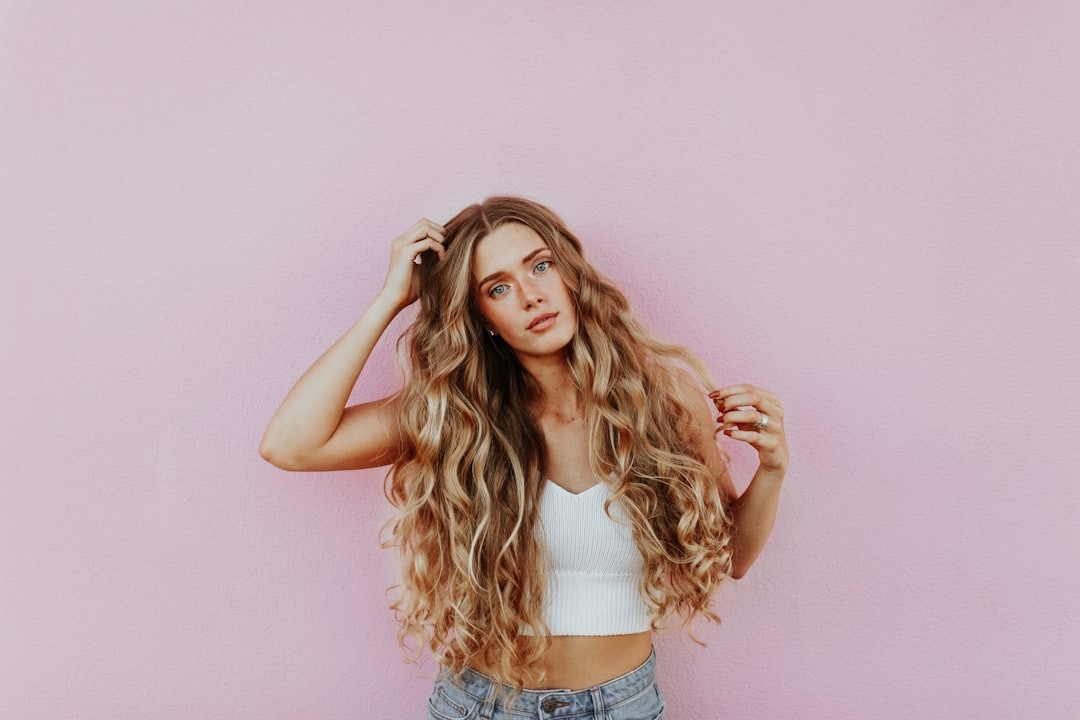
Technique: Blow-dry hair with medium-high heat and high airflow, using a round brush or paddle brush as you dry. Once dry, use a large-barrel curling iron (32-38 mm for medium length) to create loose waves. Wrap hair around the barrel, holding for 10-15 seconds, releasing, and allowing the wave to cool. Work through all hair, then break up waves with fingers for natural texture. Finish with hairspray to set.
Product support: Volume mousse applied before blow-drying enhances hold. Light hairspray (not heavy-hold) maintains waves without the crunchy feel.
Best for: Going out, date nights, occasions requiring polished appearance.
2. Half-Up Ponytail (Versatile)
Time required: 5 minutes.
Technique: Section hair from crown to ears on both sides. Gather these top sections at the crown and secure with a hair tie. For sophistication, backcomb this section lightly before securing (adds volume). For a loosely romantic version, leave front pieces around the face free. This works on all hair textures and creates elegant appearance with minimal effort.
Variations: Twist the half-section before securing (more polished). Wrap a strand around the hair tie to cover it (more finished look). Braid the held section before securing (more intricate).
Best for: Work, casual days, keeping hair back without full commitment of full ponytail.
3. Braids (Versatile, Skill-Based)
Time required: 10-20 minutes depending on braid complexity.
Three-Strand Braid (Fundamental): Divide hair into three even sections. Cross the right section over the middle, then the left over the middle, alternating. Continue to the ends. Secure with a hair tie. For medium length hair, this creates a braid length of approximately 15-20 cm—substantial enough to look intentional.
French Braid (Advanced): Start at the crown with three small sections. As you braid, gradually incorporate hair from the sides, creating a braid that incorporates all hair. More intricate than three-strand and longer-lasting for styling duration.
Side Braid (Romantic): Braid from one side of the head toward the opposite shoulder. Creates asymmetrical, romantic appearance.
Double Braids (Youthful): Create two braids (one on each side) for playful, textured appearance.
Best for: Casual days, gym, situations where you want to feel put-together with minimalist effort.
4. Textured Bun (Quick Updo)
Time required: 10-12 minutes.
Technique: Gather hair at the crown into a high ponytail. Loosely twist the ponytail, then coil it around the base, securing with bobby pins. For texture and grip, backcomb the ponytail before twisting (prevents slipping). Pull out a few face-framing pieces to soften the look. Use texture spray (not slick gel) for a modern, undone aesthetic.
Variations: Low bun (gathered lower, more formal). Messy bun (deliberately loose and textured, casual). Ballet bun (tight and smooth, requires gel for sleek finish).
Best for: Professional settings, keeping hair off your face, gym or active days.
5. Sleek Straightened Style (Effortless-Looking)
Time required: 15-20 minutes.
Technique: Apply smoothing serum to damp hair. Blow-dry with a paddle brush for smooth finish. Use a flat iron on medium heat (200-230°C maximum) if additional smoothness desired. Finish with anti-frizz serum (products like Moroccanoil Treatment, £20-30) for shine and frizz control.
Best for: Professional settings, warm days (straightened hair doesn’t frizz in humidity like waves), any occasion requiring sleek appearance.
Expert Tips from Professional Stylists
Professional Styling Secrets: Experienced salon stylists reveal that they don’t use the highest heat settings like consumers assume. They typically work at 190-210°C for straightening and 150-170°C for curling, using good-quality tools (better heat distribution than budget dryers/irons) rather than compensating with excessive temperature. They also always style from underneath first—treating the lower layers of hair before the top layer—which creates volume and structured shape versus flat results. Additionally, they finish styles with cool shots (cool air from blow dryer or cool setting on flat iron) which seals the cuticle, adds shine, and helps styles last longer. These small tactical details separate professional results from basic styling attempts.
Reader Story: Finding Her Style
Emma, a 26-year-old from Edinburgh with fine, straight hair, describes her journey: “I’d grown my hair to medium length but felt stuck wearing it down every day or in a boring ponytail. After learning French braids and how to create loose waves, my styling confidence completely changed. Now I rotate between waves on Monday/Wednesday, braids Tuesday/Thursday, and a textured bun on Friday. Takes maybe 15 minutes, and I feel so much more put-together. Medium length gave me the flexibility to express myself without high-maintenance styling.” Emma’s experience highlights how mastering a few core techniques creates perceived variety and increased confidence.
Seasonal and Occasion-Specific Styling
Spring and Summer
Humidity increases frizz. Prioritise: half-up ponytails (keeps hair off neck and face), braids (texture hides frizz), textured buns (cooler, controlled). Minimise blowouts and loose waves (humidity undermines these styles). Use anti-frizz products religiously. Consider lightweight scarves as styling accessories that provide both temperature regulation and polished appearance.
Autumn and Winter
Low humidity allows loose waves and sleek styles to last longer. Prioritise: waves, half-ups with waves, French braids with pulled texture. Cold weather makes central heating dry hair; apply moisturising serums (£10-20) before styling to compensate.
Professional Settings
Sleek straightened styles or polished half-ups project competence. Avoid: very loose, textured waves (read casual). Updos (buns) are excellent for professional photos or presentations. Keep styles clean and intentional rather than deliberately messy.
Casual/Social Settings
Braids, undone waves, and relaxed buns suit casual contexts. Deliberately textured, slightly messy styling reads as effortless and approachable.
FAQ: Medium Length Hair Styling
How do I make my medium length hair look thicker? Backcomb at the roots, use volumising mousse before blow-drying, and style in half-ups or braids that create the illusion of density. Blowouts with round brushes add volume. Avoid flat, slicked-back styles if thickness is a concern.
Can I style medium length hair without heat? Absolutely. Braids, textured buns, half-ups, and overnight waves (braid damp hair, sleep, unbraid for waves) all work without heat. Apply mousse or dry shampoo for texture and grip. These heatless styles work best on naturally wavy or textured hair; straight hair shows less texture without heat styling.
What’s the best brush for styling medium length hair? Round brushes (for waves/volume), paddle brushes (for smoothness), and wide-tooth combs (for detangling). Invest in quality (Denman, Tangle Teezer, £15-30) rather than cheap options that break hair.
How often should I wash medium length hair? 2-3 times weekly is typical. More frequent washing (daily) can dry hair and make styling more difficult due to less natural oil (which aids hold). Less frequent (once weekly) can create excessive buildup. Adjust based on your scalp’s oiliness and styling needs.
What heat tools are essential for medium length hair? Blow dryer (1200W minimum), round brush, and flat iron or curling iron (your choice based on preferred styles). These three tools enable most styling approaches. Additional tools (wand curlers, straightening combs) are luxury items, not necessities.
How to style medium length hair is less about secret techniques and more about understanding five foundational styles and adapting them to occasions and personal aesthetic. Invest 30 minutes learning proper technique for waves, braids, and buns. Practice these core styles until they feel natural (typically 2-4 weeks of regular practice). Once these become automatic, your styling confidence transforms, and you’ll naturally develop variations and personalised approaches. Medium length hair is forgiving, versatile, and ideal for developing sustainable styling habits without excessive time or heat damage.