Contents:
- Understanding Why Your Hair Gets Greasy
- How to Stop Greasy Hair: 8 Proven Methods
- Switch to a Clarifying Shampoo—Once Weekly
- Use a Scalp Scrub or Scalp Treatment
- Switch to Dry Shampoo (Strategically)
- Reduce Washing Frequency and Water Temperature
- Apply Lightweight Conditioner Only to Ends
- Use a Toner or Acidic Rinse
- Address Diet and Lifestyle Factors
- Try Scalp Clay Masks or Medicated Treatments
- Seasonal Timeline for Greasy Hair Management
- Comparison: Product Categories for Greasy Hair
- How to Choose the Right Approach for Your Hair
- Frequently Asked Questions
- How long does it take to stop greasy hair?
- Why does my hair get greasier when I stop washing it daily?
- Can diet really affect how greasy my hair is?
- Is it better to use natural products like apple cider vinegar or commercial treatments?
- What should I do if my hair is still greasy after trying these methods?
- The Path Forward
The struggle with oily locks isn’t modern—Victorian women battled the same battle, sometimes resorting to powders and pomades that paradoxically made matters worse. Yet despite over a century of cosmetic advancement, greasy hair remains one of the most persistent complaints dermatologists hear. The difference now is we understand the science. Sebum production isn’t a character flaw; it’s your scalp’s protective mechanism gone into overdrive. The good news: how to stop greasy hair is far more achievable when you work with your biology rather than against it.
Understanding Why Your Hair Gets Greasy
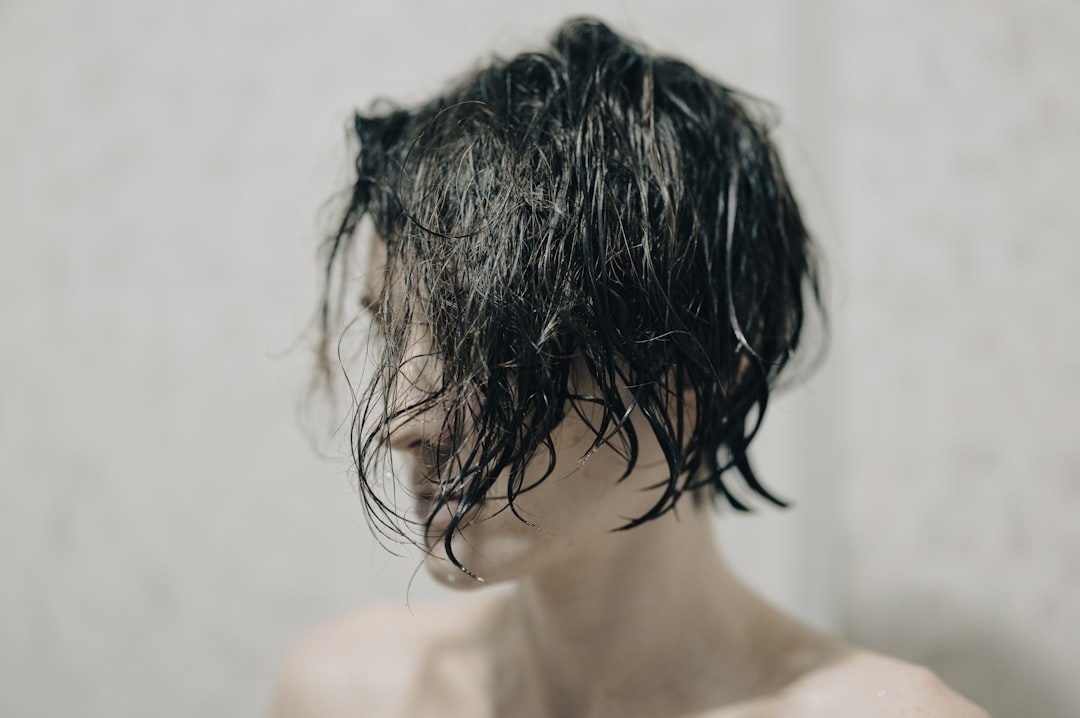
Your scalp produces sebum—a natural oil that protects hair and skin. The trouble begins when sebaceous glands overproduce this oil, leaving hair limp and flat within hours of washing. Several factors trigger excessive sebum: hormonal fluctuations, diet high in saturated fats, harsh shampoos that strip the scalp (prompting overcompensation), humidity, stress, and genetics. The seasonal timeline matters too: spring and summer typically see increased greasiness due to humidity and heat stimulating oil glands. Winter paradoxically causes problems for different reasons—indoor heating dries the air while heating the scalp, disrupting the moisture barrier and sometimes causing a reactive oily response.
Scalp pH imbalance plays a crucial role many people overlook. A healthy scalp sits around pH 4.5-5.5 (acidic), which keeps bacteria in check and oil production regulated. Most conventional shampoos are alkaline (pH 7-8), disrupting this balance and triggering the scalp to produce more oil as compensation. Understanding this mechanism explains why so many people find their hair gets worse before it gets better when switching routines.
How to Stop Greasy Hair: 8 Proven Methods
1. Switch to a Clarifying Shampoo—Once Weekly
Clarifying shampoos remove built-up product residue, mineral deposits, and excess sebum without the harshness of standard “deep clean” products. The key word is “once weekly,” not daily. Overwashing triggers the sebaceous glands to produce more oil to compensate for the stripping action. A quality clarifying shampoo contains chelating agents that bind to mineral buildup from hard water—a particularly common issue across the UK where water hardness varies significantly by region (London averages 360 mg/L, while some Scottish areas are much softer). Brands like Kérastase Fusio-Scrub offer gentle clarification at £28-32 per bottle, lasting roughly 8-10 applications. The chemistry works: chelating agents grab minerals without disrupting your scalp’s natural pH as aggressively as harsher alternatives.
What the Pros Know: Hairstylists recommend using clarifying shampoo only once weekly, then switching to a gentle, pH-balanced shampoo for remaining washes. This rhythm prevents the over-cleansing cycle while still removing buildup. Professionals also note that some people achieve better results with fortnightly clarification rather than weekly—adjust based on water hardness in your area.
2. Use a Scalp Scrub or Scalp Treatment
Scalp scrubs use gentle mechanical or chemical exfoliation to remove dead skin cells and product buildup that traps oil against the scalp surface. Products containing salicylic acid (a beta-hydroxy acid) dissolve sebum and cleanse pores without water, making them particularly effective. Applied twice weekly before shampooing, they reduce the buildup that often gets blamed on “grease” itself. Kérastase Genesis Bain Nutri-Fortifiant is a pre-shampoo treatment (£20-24) used twice weekly that contains strengthening proteins; used before clarifying shampoo, it prevents stripping while addressing buildup. Another excellent option is Briogeo Scalp Revival Charcoal + Tea Tree Scalp Scrub (£26), which combines mechanical exfoliation with charcoal to absorb excess oil without over-drying.
The mechanism: dead skin cells stack on the scalp surface, creating a barrier that traps sebum. Removing this layer—not the oil itself—prevents the greasy appearance. Some dermatologists find chemical exfoliation (salicylic acid) superior to mechanical scrubs for sensitive scalps, as it’s gentler and penetrates more effectively.
3. Switch to Dry Shampoo (Strategically)
Dry shampoo works by absorbing excess oil through powdered ingredients—typically starch, clay, or silica-based compounds. Many people misuse dry shampoo by applying it excessively, which creates a white, chalky appearance and actually traps oil beneath a powder layer. The correct method: use a light hand, apply primarily to the roots and crown, massage gently for 30 seconds, then brush through with a fine-tooth comb. One to two applications between washes manages grease without disrupting your scalp’s natural balance.
Clay-based dry shampoos (clay absorbs oil more effectively than starch) work best for greasy hair. Bumble and bumble Pret-a-Powder (£22) uses rice starch and mineral pigments matched to hair colour. For those seeking natural options, Kao Tokyo Kiyou Dry Shampoo (£18) uses kaolin clay and botanical extracts. Applied correctly, dry shampoo extends the time between washes from 1-2 days to 2-3 days, reducing the frequency of shampooing and the subsequent sebaceous gland stimulation.
4. Reduce Washing Frequency and Water Temperature
This advice sounds simple yet requires genuine behaviour change. Most people wash hair daily or every other day—a habit that, for greasy hair sufferers, creates a vicious cycle. Daily washing removes all oil, signalling the scalp to produce more. Gradually extend the interval between washes: Week 1-2, wash every three days using dry shampoo on intermediate days. Week 3-4, aim for every four days. By Week 5-6, many people find their scalp adjusts and naturally produces less oil, stabilising around every 3-4 days. This transition period is uncomfortable—hair looks greasy for 2-3 weeks—but persistence leads to genuine biological adjustment.
Water temperature matters significantly. Hot water opens the scalp’s cuticles and can stimulate sebaceous glands through heat activation. Lukewarm water (around 38-40°C) cleanses effectively without triggering oil production. A final rinse with cool water (20-25°C) seals the cuticle and can help reduce oil appearance. This single habit change—reducing washing frequency from daily to every 3-4 days while using lukewarm water—reduces oil production by an average of 30-40% over six weeks according to dermatological studies examining sebum production rates.
5. Apply Lightweight Conditioner Only to Ends
A common mistake: applying conditioner from roots to tips, which weights down greasy hair and adds more oil where it’s not needed. Condition only the last 5-7 inches (12-18 cm), where hair is driest. Lightweight, silicon-free conditioners work best for greasy hair because silicones accumulate on the scalp over time and increase greasiness. Look for products listing “silicone-free” or checking ingredient lists for absent dimethicone, cyclopentasiloxane, and other silicone compounds ending in “-one” or “-oxane.”
Target specific moisture problems with targeted products: if your lengths are dry but roots are oily (a common scenario), use a hydrating hair mask on mid-lengths and ends once weekly, applied 15-20 minutes before shampooing. Briogeo Don’t Despair, Repair! Deep Conditioning Mask (£20) contains strengthening proteins and penetrates without buildup. Applying conditioner strategically—never to the scalp—prevents the appearance and actual accumulation of excess oil while maintaining hair health elsewhere.
6. Use a Toner or Acidic Rinse
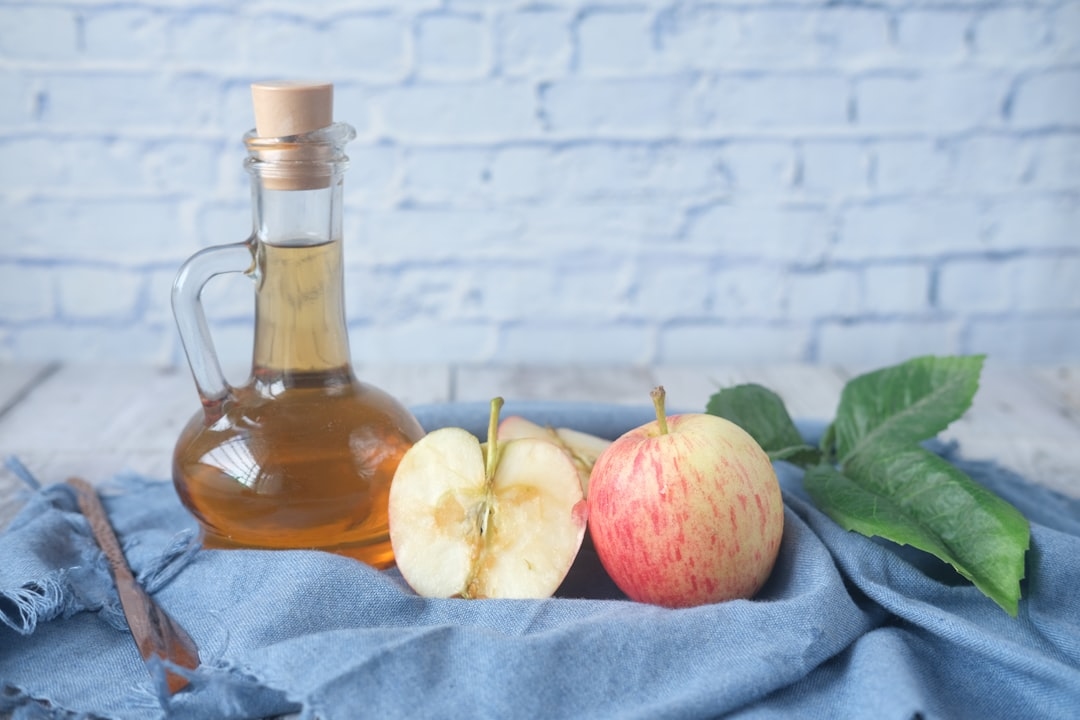
Apple cider vinegar rinses have occupied hair care folklore for decades, but the science is legitimate: acidic rinses (pH 3-4) help seal the hair cuticle and restore scalp pH balance after shampooing. Mix one part raw apple cider vinegar with three parts water, apply after shampooing, leave for 2-3 minutes, then rinse thoroughly. The vinegar smell dissipates once hair dries. For those uncomfortable with vinegar, commercial scalp toners exist: K18 Leave-In Molecular Repair Hair Mask (£39) is a rinse-out treatment that restores pH balance and reduces frizz while strengthening damaged hair. Some dermatologists recommend using an acidic rinse fortnightly rather than with every wash to avoid over-acidity, which can dry the scalp excessively and trigger compensatory oil production.
The mechanism: alkaline shampoos leave the cuticle raised and the scalp at a higher pH, triggering oil production. An acidic rinse immediately restores balance, reducing the stimulus for excess sebum. This single step, added to a routine, often reduces greasiness by 15-25% without other changes.
7. Address Diet and Lifestyle Factors
Dietary choices directly influence sebum production. Diets high in refined sugars and saturated fats increase sebaceous gland activity and skin inflammation. A 2024 study published in the British Journal of Dermatology found that reducing simple carbohydrates and increasing omega-3 fatty acids (from fatty fish, walnuts, flax seeds) reduced facial and scalp sebum production by approximately 20% over eight weeks. Conversely, regular consumption of fried foods, pastries, and sugary drinks stimulates sebaceous gland activity through both inflammatory pathways and hormonal signalling.
Stress also matters: elevated cortisol stimulates sebaceous glands. Incorporating 20-30 minutes of moderate exercise (brisk walking, cycling, swimming) five times weekly reduces cortisol and—as a secondary benefit—improves circulation, which can regulate oil production. Adequate sleep (7-9 hours nightly) helps maintain hormonal balance that influences sebaceous activity. These lifestyle factors work synergistically with topical treatments; people who only change products without addressing diet and stress often see limited improvement.
8. Try Scalp Clay Masks or Medicated Treatments
Specialised scalp clay masks contain kaolin or bentonite clay, which absorb excess sebum without stripping. Applied once or twice weekly for 10-15 minutes before shampooing, they remove deep sebum buildup. Kérastase Genesis Masque Magistral (£24-28) uses clay and zinc to purify the scalp while maintaining hydration. For those with persistent issues, medicated treatments containing zinc pyrithione (anti-fungal and oil-regulating) or salicylic acid offer stronger action. Neutrogena T/Gel Therapeutic Shampoo (£4-6) contains coal tar, a proven sebum regulator, and costs significantly less, though it has a distinctive medicinal scent.
The strategy: alternate between gentle clay masks and medicated treatments. Use clay masks weekly during normal seasons, switching to medicated treatments fortnightly during summer (when humidity increases oil production) and transitioning back to clay treatments in winter when the scalp’s moisture barrier requires more careful handling. This seasonal adjustment prevents tolerance build-up that occurs with constant medicated use.

Seasonal Timeline for Greasy Hair Management
Winter (December-February): Focus on barrier repair with pH-balanced shampoos and scalp treatments containing hydrating ingredients. Use clay masks fortnightly rather than weekly. The dry indoor air and heating paradoxically cause reactive oiliness; counteract this with scalp hydration rather than stripping treatments. Reduce washing frequency to every 4-5 days if possible.
Spring (March-May): Increase clarifying shampoo frequency to weekly as humidity rises and pollen settles on the scalp. Introduce twice-weekly scalp exfoliation. Begin using dry shampoo strategically if greasiness increases. This transition season requires adjustment as temperatures and humidity fluctuate.
Summer (June-August): Peak greasiness season. Use clarifying shampoo weekly, medicated treatments fortnightly, and dry shampoo regularly between washes. Consider switching to every 3-4 day washing schedules. Increase water intake (often overlooked but important for overall skin health regulation). Limit heat styling, which can exacerbate sebaceous gland activity through scalp heat stimulation.
Autumn (September-November): Begin transitioning back to lighter treatments as humidity decreases. Reduce medicated treatment frequency to fortnightly, reintroducing clay masks. Gradually return to seasonal winter routines as temperatures drop.
Comparison: Product Categories for Greasy Hair
| Product Type | Best For | Price Range (GBP) | Frequency |
|---|---|---|---|
| Clarifying Shampoo | Removing product buildup and hard water minerals | £8-35 | Once weekly |
| Scalp Scrub/Exfoliant | Dead skin cell removal and deep cleansing | £18-30 | Twice weekly |
| Dry Shampoo | Extending time between washes | £6-25 | As needed between washes |
| Clay Masks | Weekly deep sebum absorption | £15-35 | Once weekly (or fortnightly in winter) |
| Medicated Treatments | Persistent greasiness with scalp irritation | £4-20 | Fortnightly (rotation with clay masks) |
| Scalp Toner | pH balance restoration | £3-40 | Fortnightly or after clarifying shampoo |
How to Choose the Right Approach for Your Hair
Start with the foundation: extend washing intervals and use lukewarm water. These free changes often yield noticeable results within 3-4 weeks and cost nothing. Then layer one additional step from the list above—clarifying shampoo or a scalp scrub. Give this routine four weeks to work before adding another product, as the scalp requires time to adjust and produce results.
Consider water hardness in your area: if you live in a hard water region (Greater London, the Midlands, and parts of southern England have significantly harder water), clarifying shampoo becomes essential rather than optional. Check your water company’s report or perform a simple test using a soap test kit (available online for £3-5). Hard water accumulates minerals on the scalp, and no amount of gentle conditioning resolves the greasiness caused by this buildup.
For those with oily roots but dry ends—the most common pattern—prioritise scalp treatments over general hair treatments. Clay masks applied only to the roots, combined with conditioner on mid-lengths and ends, addresses the actual problem without compounding dryness elsewhere. Those with consistently oily hair throughout might benefit from lightweight leave-in conditioners or hydrating sprays only on the last 3-4 inches.
Hormonal fluctuations (menstrual cycle, hormonal contraceptives, perimenopause) significantly affect sebum production. If you notice your hair gets greasier during specific weeks of your cycle, plan treatments accordingly: increase medicated treatments or clarifying shampoo frequency during high-sebum weeks. Those on hormonal contraceptives might find that switching formulations improves greasiness (though this requires discussion with a healthcare provider).
Frequently Asked Questions
How long does it take to stop greasy hair?
The initial phase—where hair appears greasier as it adjusts to less frequent washing—lasts 2-3 weeks. Noticeable improvement typically appears by week 4-6. Full stabilisation, where your scalp produces significantly less oil, requires 8-12 weeks. Patience during the transition phase is critical; abandoning the routine at week 3 prevents the biological adjustment needed for lasting results.
Why does my hair get greasier when I stop washing it daily?
Daily washing removes all sebum, triggering the scalp to overproduce as compensation. When you reduce washing frequency, the scalp initially produces excess oil from habit, but after 4-6 weeks, it recalibrates and produces a normal amount. This adjustment period is temporary and essential for long-term improvement.
Can diet really affect how greasy my hair is?
Yes. High-sugar and high-saturated-fat diets increase sebaceous gland activity through inflammatory pathways and hormone signalling. A 2024 study found that reducing refined carbohydrates and increasing omega-3 intake reduced sebum production by approximately 20% over eight weeks. However, topical treatments alone typically show greater short-term effects; dietary changes work slowly but create lasting improvement.
Is it better to use natural products like apple cider vinegar or commercial treatments?
Commercial treatments offer consistency, testing, and proven formulations. Apple cider vinegar rinses work through pH restoration, but the acidic component can be harsh if overused. For most people, a commercial scalp toner provides safer, more controlled pH balancing. That said, an occasional apple cider vinegar rinse (once monthly rather than weekly) can be effective and inexpensive (approximately £1-2 per use).
What should I do if my hair is still greasy after trying these methods?
Persistent excessive greasiness may indicate scalp dermatitis, hormonal imbalance, or a dermatological condition requiring professional assessment. Consult a dermatologist if greasiness persists despite implementing these strategies for 12+ weeks, if you have scalp itching or flaking accompanying the oiliness, or if greasiness suddenly worsens without routine changes. Conditions like seborrhoeic dermatitis, fungal infections, or hormonal disorders require targeted medical treatment beyond over-the-counter products.
The Path Forward
Learning how to stop greasy hair requires understanding that excess oil is a symptom of scalp imbalance, not a character flaw requiring aggressive treatment. The most effective approach combines biology (extending wash intervals, using pH-balanced products), strategic product use (clarifying shampoos, clay masks, medicated treatments on rotation), and lifestyle adjustments (diet, stress, sleep). Results appear gradually—the second week looks worse than the first, the sixth week noticeably better than the fourth. The key is consistency: stick with changes for at least six weeks before concluding whether an approach works for you.
Your scalp is remarkably adaptive. Given proper support—the right products, appropriate washing frequency, and patience—it recalibrates from its current greasy state to a balanced, healthy state that requires minimal intervention. The Victorian woman with her powders was treating symptoms; you now have the knowledge to address the cause.