Contents:
- Why Your Sleep Position and Bedding Matter for Hair Health
- Pillowcase Materials: What Actually Works
- Silk Pillowcases (Best Option)
- Satin Pillowcases (Budget-Friendly Alternative)
- Cotton Pillowcases (The Baseline)
- Linen Pillowcases (Surprising Alternative)
- How to Protect Hair While Sleeping: Wrapping and Bonnet Methods
- Sleep Bonnets and Silk Caps
- Silk or Satin Wraps
- Loose Braids or Twists
- Seasonal Timeline: Year-Round Sleep Protection Strategy
- Pre-Sleep Hair Treatments and Routines
- Detangle Before Bed
- Apply Overnight Hair Masks
- Dry or Damp Hair Before Sleep
- Avoid Heavy Products Before Bed
- Budget-Friendly Sleep Protection Strategy
- Common Sleep Protection Mistakes to Avoid
- Frequently Asked Questions
- How quickly will switching to a silk pillowcase improve my hair?
- Can a silk pillowcase help with hair loss?
- Is a silk sleep bonnet better than a silk pillowcase?
- How often should I wash my silk pillowcase?
- Does hair protection at night matter if I damaged it during the day with heat styling?
For centuries, women across cultures understood something modern science has only recently confirmed: what happens to your hair at night matters as much as what happens during the day. In medieval Europe, wealthy women wrapped their hair in linen cloths before bed to preserve curls and prevent breakage. This wasn’t vanity—it was practical knowledge passed down through generations. Today, we have more options than linen wraps, but the principle remains the same. How you protect your hair while sleeping directly impacts its strength, shine, and longevity.
Quick Answer
Switch to a silk or satin pillowcase (or sleep bonnet) to reduce friction and breakage. Aim for mulberry silk or high-quality satin rather than cotton. If that’s not in your budget right now, a cotton pillowcase is better than nothing, but silk genuinely delivers results. Add a weekly deep conditioning treatment and you’ll notice stronger, shinier hair within 2-3 weeks.
Why Your Sleep Position and Bedding Matter for Hair Health
Your hair experiences significant stress during the 6-8 hours you sleep. Cotton pillowcases create friction, which causes the outer layer of your hair shaft (the cuticle) to lift and roughen. This friction leads to breakage, frizz, and split ends. Silk and satin pillowcases reduce this friction dramatically—research from dermatology journals shows silk reduces friction by up to 50% compared to cotton.
The specific type of silk matters. Mulberry silk has a smooth protein structure; standard polyester “satin” works reasonably well but isn’t true silk. A quality mulberry silk pillowcase costs £25-50 (compared to £3-8 for cotton), but lasts 2-3 years with proper care, making it cost-effective over time.
Sleep position also affects hair. Sleeping on the same side repeatedly can compress hair on that side, potentially leading to uneven hair loss over months or years. Sleeping on your back distributes pressure evenly across the back of your head and avoids face-down compression.
Pillowcase Materials: What Actually Works
Silk Pillowcases (Best Option)
Mulberry silk pillowcases are genuinely superior for hair protection. Silk’s smooth surface allows hair to slide rather than grip and tug. A 22-momme (weight measure) mulberry silk pillowcase provides optimal smoothness. Brands like Slumberland or Silentnight sell UK-made silk pillowcases from £30-45.
How to use: Place the silk side against your hair and skin. Wash on a gentle cycle in cool water every 7-10 days; silk degrades if washed frequently.
Satin Pillowcases (Budget-Friendly Alternative)
Polyester satin costs £10-20 and offers 70-80% of silk’s benefits. Whilst not true silk, high-quality satin significantly reduces friction compared to cotton. Look for “charmeuse satin” (the highest-quality polyester satin) rather than basic polyester.
Cotton Pillowcases (The Baseline)
Cotton is what most people use by default. It works, but creates noticeable friction. If you can’t afford silk or satin, cotton is fine, but switching would genuinely improve your hair quality within weeks.
Linen Pillowcases (Surprising Alternative)
Linen is rougher than silk but smoother than low-quality cotton. It’s breathable, which some people prefer in summer. It’s not ideal for hair protection but works better than basic cotton pillowcases.
How to Protect Hair While Sleeping: Wrapping and Bonnet Methods
Beyond pillowcase choice, actively wrapping or securing your hair reduces nighttime damage.
Sleep Bonnets and Silk Caps
A silk sleep bonnet covers your entire head, preventing hair from rubbing against the pillowcase entirely. Bonnets work particularly well for curly or textured hair, which breaks more easily than straight hair. Quality silk bonnets cost £12-25 and last 1-2 years.
Wearing a bonnet takes adjustment—some people find them uncomfortable initially. Start wearing it for 30 minutes before bed to acclimate, then progress to full-night wear.
Silk or Satin Wraps
A wrap involves loosely gathering your hair on top of your head and securing it with a silk scarf. This keeps hair off the pillowcase and prevents compression from lying flat. Silk scarves cost £5-15 and are infinitely reusable.
Technique: brush hair back gently, gather it loosely at the crown, and wrap a silk scarf around and over it. Don’t pull tightly; gentle gathering prevents breakage.
Loose Braids or Twists
Plaiting your hair loosely before bed reduces tangling and friction. Tight braids create tension on the hair roots and can contribute to traction alopecia over time; loose braids avoid this risk.
Create one or two loose plaits, secure with silk hair ties (not elastic bands), and sleep on your back or the opposite side from where your braids fall. This technique works for any hair length and costs nothing beyond a silk hair tie (£2-5).
Seasonal Timeline: Year-Round Sleep Protection Strategy
January-March (Winter): Central heating dries hair significantly. Add a silk bonnet nightly during these months; dry hair breaks more easily. Increase deep conditioning treatments to twice weekly. This timing addresses the season when indoor heating causes the most damage.
April-June (Spring): Hair tends to shed more in spring (approximately 20-30% more shedding than winter, according to dermatological research). Use a silk pillowcase consistently and continue weekly deep conditioning. Consider a sleep wrap if you notice increased breakage.
July-September (Summer): Humidity increases natural moisture in hair, so friction damage decreases slightly. However, chlorine and salt water damage intensifies. Protect damp hair in a silk wrap or bonnet before bed. Never sleep with wet hair—damp hair is fragile. Dry it first.
October-December (Autumn): As heating systems turn on again, transition back to nightly sleep bonnet use. Hair begins shedding less, but dryness increases. Reintroduce more frequent deep conditioning.
Pre-Sleep Hair Treatments and Routines
Detangle Before Bed
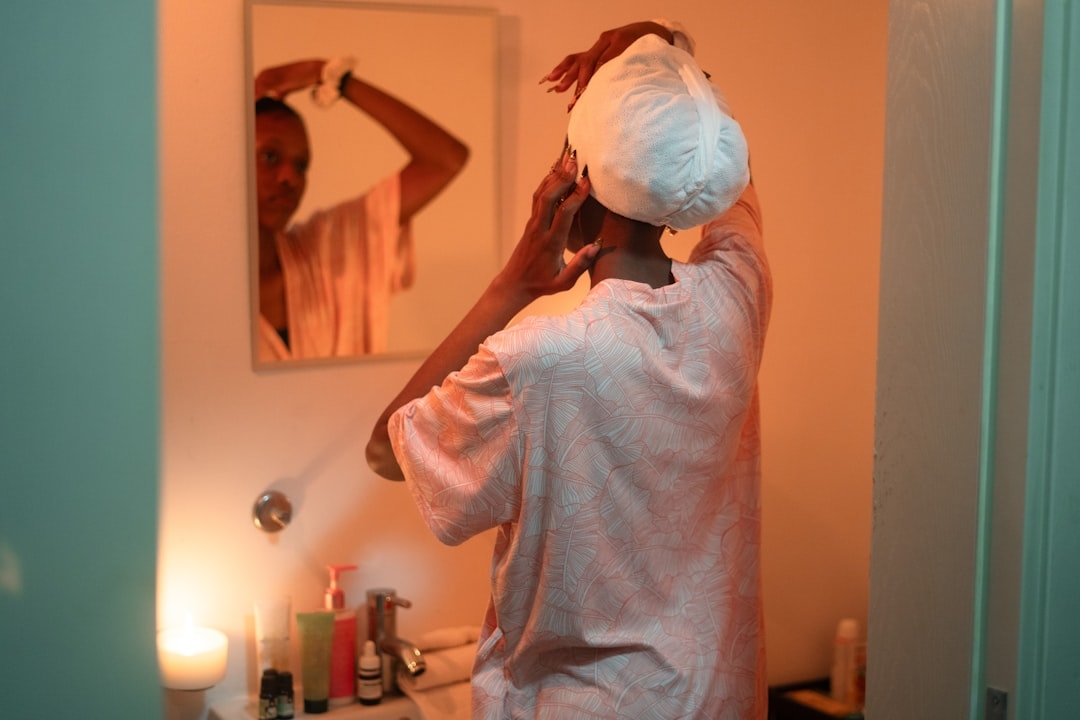
Sleeping with tangles creates more friction and breakage. Detangle gently with a wide-tooth comb or paddle brush whilst hair is damp (not soaking wet). Use slow, methodical strokes starting from the ends and working upward. Detangling damp hair takes 3-5 minutes and prevents the much more damaging tangles that form during sleep.
Apply Overnight Hair Masks
Apply a lightweight leave-in conditioning mask 10-15 minutes before bed. This serves two purposes: it conditions your hair overnight (when hair is most porous and absorbs products effectively) and adds slip, reducing friction during sleep. Products like Olaplex No. 8 Bond Intensive Moisture Mask (£28) or budget alternatives from Superdrug (£8-12) work equally well for this purpose.
Apply to damp hair, focusing on mid-lengths and ends. Avoid scalp application unless you have very dry roots. In summer, this may feel heavy; in winter, it’s ideal.
Dry or Damp Hair Before Sleep
Never sleep with soaking wet hair. Saturated hair is fragile and prone to breakage. If you wash your hair at night (not ideal, but common), dry it first with a blow-dryer on low or medium heat, or let it air-dry to 70-80% dry before bed. This takes 20-40 minutes but prevents serious overnight damage.
Damp (not wet) hair is acceptable if you’ve applied a protective product, but fully dry is always better.
Avoid Heavy Products Before Bed
Don’t apply oils or serums right before sleeping—they transfer onto your pillowcase or sleep bonnet and require washing out. Instead, apply these products in the morning after showering or to dry ends during the day.
Budget-Friendly Sleep Protection Strategy
You don’t need to buy everything at once. Prioritise changes by impact-to-cost ratio.
First priority (£15-20): Switch to a satin pillowcase from Dunelm or similar UK retailer. This single change delivers noticeable results within 2-3 weeks. Use a silk scarf wrap (£5-10) if you prefer.
Second priority (£8-12): Buy a basic overnight conditioning mask from Superdrug or Boots. Apply it 2-3 nights weekly before bed. This amplifies the benefits of your new pillowcase.
Third priority (£25-40): Once you’ve committed to satin or silk for 2-3 months and seen improvements, upgrade to a quality mulberry silk pillowcase if budget allows. This investment lasts years.
Optional (£12-20): A silk bonnet or wrap scarf if you have curly or very fine hair, or if you want maximum protection. This is genuinely optional—the pillowcase alone delivers most benefits.
Common Sleep Protection Mistakes to Avoid
Don’t wrap hair too tightly. Tight wrapping or bonnets create tension on hair roots, potentially damaging follicles over time. Hair should feel secure but not pulled.
Don’t sleep with soaking wet hair. This causes excessive swelling and contraction of the hair shaft, leading to breakage. Dry hair first.
Don’t rely on sleep products alone. Protecting hair at night works best alongside a healthy overall hair care routine: gentle shampooing, regular conditioning, and minimising heat damage during the day.
Don’t assume all silk is equal. Polyester marketed as “satin” is not true silk. Mulberry silk at 22-momme or higher delivers genuine benefits. Cheaper “silk” may be mostly polyester.
Don’t replace daily brushing with sleep wraps. Protective sleeping methods prevent overnight damage but don’t substitute for gentle daily hair care.
Frequently Asked Questions
How quickly will switching to a silk pillowcase improve my hair?
Most people notice reduced frizz and breakage within 1-2 weeks. More significant improvements in shine and overall texture take 4-6 weeks as the outer cuticle layer becomes smoother. Individual results vary based on starting hair condition and whether you combine the pillowcase with other protective methods.
Can a silk pillowcase help with hair loss?
A silk pillowcase prevents friction-related breakage but doesn’t treat underlying hair loss causes. If you’re experiencing hair loss due to genetics, hormones, or nutritional deficiency, a silk pillowcase won’t reverse it. However, preventing additional breakage is still worthwhile and may make remaining hair appear fuller and healthier.
Is a silk sleep bonnet better than a silk pillowcase?
A bonnet offers slightly more protection because it covers all hair, preventing any contact with non-silk surfaces. A pillowcase is easier to tolerate for long-term nightly use. The ideal combination is a silk pillowcase with occasional bonnet use during winter or high-stress periods.
How often should I wash my silk pillowcase?
Wash silk pillowcases every 7-10 days on a gentle cycle in cool water (below 30°C). Frequent washing degrades silk protein. Air-dry completely before use—don’t tumble dry.
Does hair protection at night matter if I damaged it during the day with heat styling?
Yes, absolutely. Night protection prevents additional damage to already-compromised hair. The combination of heat damage during the day plus friction damage at night compounds problems far more than either alone. Protecting at night gives your hair some recovery time.