Contents:
- What Endometriosis Is and Why It Matters
- The Direct Link Between Endometriosis and Hair Loss
- Hormonal Disruption and Hair Growth Cycles
- Chronic Inflammation as a Hair Killer
- Iron Deficiency and Nutritional Gaps
- What the Pros Know
- Recognising Endometriosis-Related Hair Loss
- Common Patterns
- Timeline Clues
- A Reader’s Story: When Nothing Made Sense
- Treatment Strategies: Addressing Both Conditions
- Manage the Endometriosis
- Optimise Nutrition
- Support Hair Growth Directly
- Stress Management and Sleep
- Frequently Asked Questions
- How long does it take for hair to regrow after treating endometriosis?
- Can endometriosis cause permanent baldness?
- Does every woman with endometriosis experience hair loss?
- Should I see a dermatologist or gynaecologist first?
- Is minoxidil safe to use with endometriosis treatments?
- Moving Forward: Your Action Plan
Most people think endometriosis only affects fertility or causes pelvic pain. But many women with this condition notice something unexpected happening to their hair. Hair thinning, excessive shedding, and bald patches appear just as mysteriously as the endometriosis diagnosis itself. The truth is more complex than a simple yes or no—and understanding the mechanisms behind it can help you take control of both your condition and your hair health.
What Endometriosis Is and Why It Matters
Endometriosis occurs when tissue similar to the uterine lining grows outside the uterus, typically on the ovaries, fallopian tubes, and pelvic cavity. The NHS estimates that approximately 1.5 million women in the UK have endometriosis, though actual figures are likely higher due to underdiagnosis.
This condition triggers chronic inflammation, hormonal imbalances, and significant physical stress on the body. Each menstrual cycle causes the displaced tissue to thicken, break down, and bleed internally—leading to pain, scarring, and systemic inflammation that extends far beyond the reproductive system. These broader effects are precisely why endometriosis patients experience symptoms across multiple body systems, including hair loss.
The Direct Link Between Endometriosis and Hair Loss
Yes, endometriosis can directly contribute to hair loss through several interconnected pathways. The relationship isn’t random; it’s rooted in physiology.
Hormonal Disruption and Hair Growth Cycles
Endometriosis disrupts oestrogen and progesterone levels, two hormones essential for maintaining healthy hair growth. Hair follicles are highly sensitive to hormonal fluctuations. When oestrogen dips and androgens (male-pattern hormones) become relatively elevated, hair enters the telogen phase—the shedding phase of the hair growth cycle—prematurely.
Research shows that women with endometriosis have elevated oestrone (a weaker form of oestrogen) circulating in their tissue, yet paradoxically lower bioavailable oestrogen in some cases. This hormonal chaos disrupts the anagen phase (active growth phase) of hair follicles, shortening it significantly.
Chronic Inflammation as a Hair Killer
Endometriosis generates systemic inflammation—your immune system remains perpetually activated. Inflammatory cytokines circulate throughout the body, reaching hair follicles and pushing them into premature shedding. Think of it as your immune system treating the hair follicle as collateral damage in its fight against misplaced endometrial tissue.
Studies indicate that women with endometriosis have elevated levels of IL-6 and TNF-alpha, inflammatory markers that directly suppress hair growth. The inflammation doesn’t respect anatomical boundaries; it affects hair health just as severely as it affects pelvic tissues.
Iron Deficiency and Nutritional Gaps
Heavy menstrual bleeding—a hallmark of endometriosis—causes significant iron loss. Iron deficiency is one of the most common nutritional triggers of telogen effluvium (diffuse hair shedding). Without adequate iron, your body prioritises maintaining vital organs over non-essential functions like hair growth. Your body literally cannot produce enough haemoglobin to support robust hair follicles.
Additionally, endometriosis-related malabsorption issues and dietary restrictions (many sufferers eliminate inflammatory foods) can lead to deficiencies in zinc, vitamin D, and B vitamins—all crucial for hair health.
What the Pros Know
Trichologists and gynaecologists specialising in endometriosis agree on one critical point: treating the underlying endometriosis is the most effective approach to stopping hair loss. Sarah Chen, a registered trichologist based in London, notes: “I see endometriosis patients monthly who’ve finally gotten their condition under control through hormonal therapy or surgery. Within 3-6 months, their hair recovery is dramatic—we’re talking regrowth of up to 40% of lost density. The body can’t prioritise hair when it’s fighting internal inflammation.” The hair loss isn’t a separate problem; it’s a symptom of the larger systemic issue.
Recognising Endometriosis-Related Hair Loss
Not all hair loss connected to endometriosis looks the same. The pattern depends on which hormonal and inflammatory pathways dominate.
Common Patterns
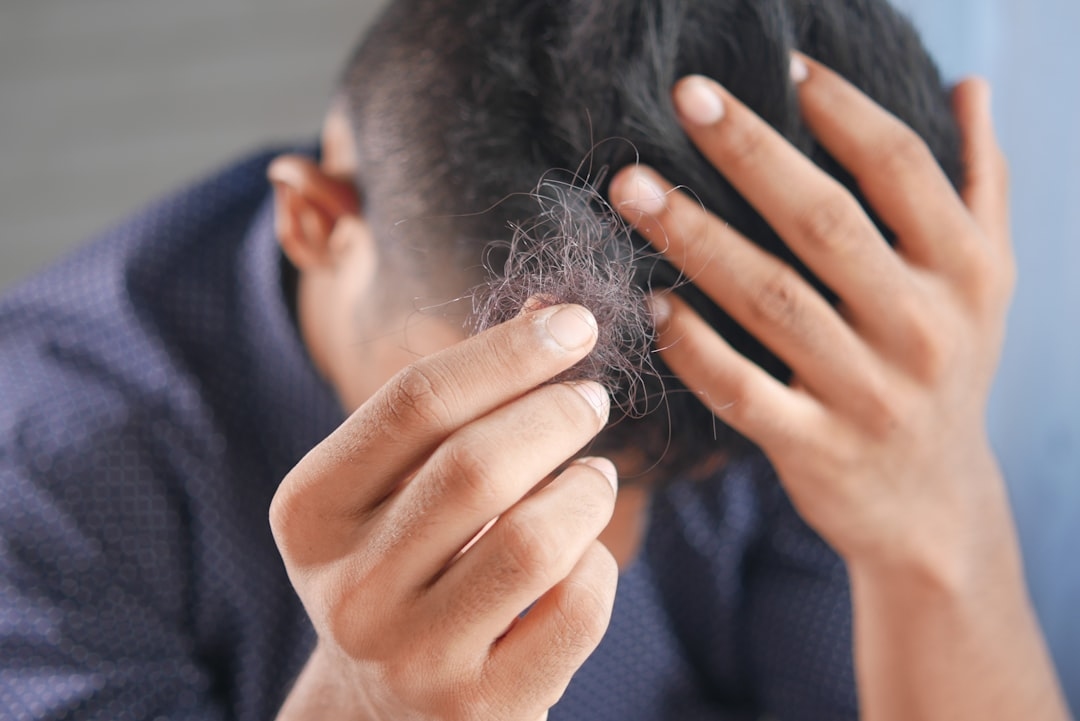
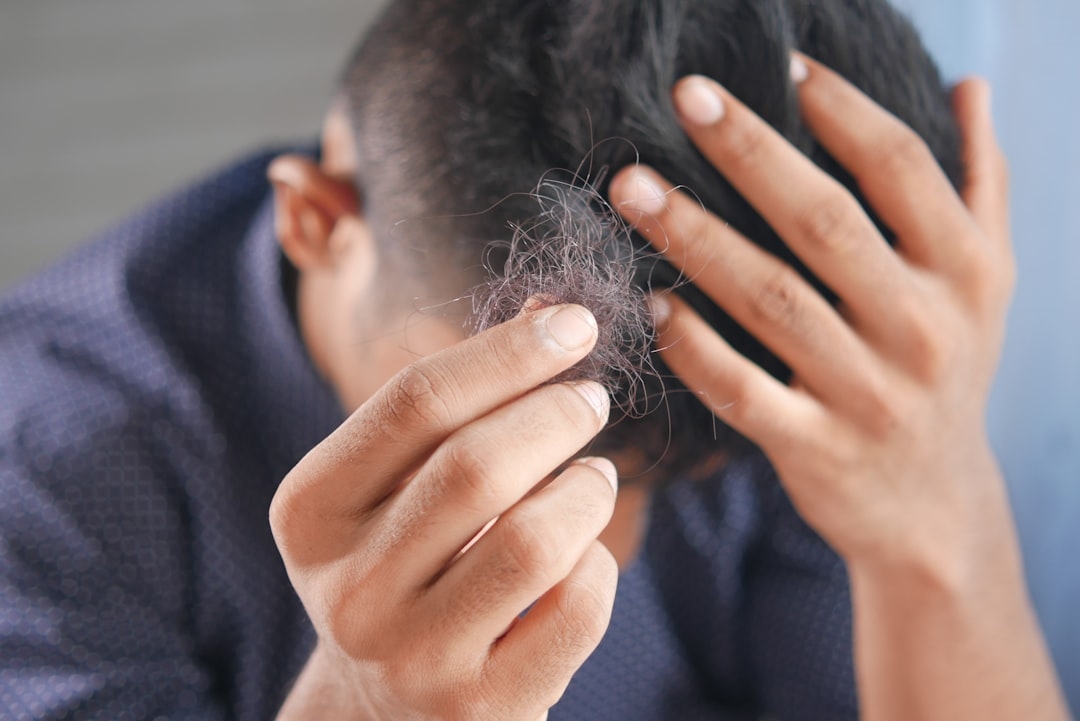
- Diffuse shedding: Hair falls out evenly across the scalp. You notice more hair in your shower drain, on your pillow, and in your brush. This pattern typically indicates telogen effluvium triggered by hormonal stress or iron deficiency.
- Androgenetic alopecia-like thinning: Hair thins at the crown and temples. This occurs when oestrogen drops and androgens become relatively dominant, triggering pattern baldness in genetically predisposed women.
- Alopecia areata: Circular bald patches appear suddenly. This autoimmune condition occurs more frequently in women with endometriosis due to immune system dysregulation.
Timeline Clues
Hair loss from endometriosis typically develops gradually over months rather than appearing overnight. Most women notice increased shedding 2-4 weeks before their period, worsening as inflammation and hormonal fluctuations peak. This cyclical pattern is a red flag that hormones and endometriosis are involved.
A Reader’s Story: When Nothing Made Sense
Emma, a 32-year-old from Manchester, spent two years trying every hair loss remedy available. She used expensive shampoos, took biotin supplements, and switched to silk pillowcases. Nothing worked. Her hair continued thinning, and dermatologists found no obvious cause. It wasn’t until she received an endometriosis diagnosis—following three years of undiagnosed pelvic pain—that the pattern clicked. Within four months of starting hormonal treatment (a GnRH agonist), her hair shedding dropped dramatically. By month eight, new growth was visible. “The endometriosis was literally consuming my body’s resources,” she explains. “Once I treated that, everything else followed.”
Treatment Strategies: Addressing Both Conditions
Manage the Endometriosis
This is non-negotiable. Hormonal birth control, GnRH agonists, progestins, or surgical excision all reduce inflammation and stabilise hormones. Each approach has different timelines—you may see hair improvement within 3-6 months, but optimal results typically take 12 months. Work with your gynaecologist to find the approach that works for your body.
Optimise Nutrition
Request an iron panel, vitamin D, B12, and zinc tests. Most NHS GPs will run these if you mention hair loss and endometriosis. Typical supplementation:
- Iron: 18-27 mg daily (ferrous forms absorb better; take with vitamin C, away from tea and coffee)
- Vitamin D: 2,000 IU daily (most UK-based women are deficient)
- Zinc: 15-30 mg daily (zinc and iron compete for absorption; space them by 2 hours)
- Omega-3 fatty acids: 2-3 grams daily from fish oil or algae (reduces systemic inflammation)
Consider working with a registered dietitian specialising in endometriosis. The right anti-inflammatory diet (often emphasising vegetables, lean proteins, and whole grains while eliminating processed foods) can reduce inflammation markers by up to 30% within 8 weeks.
Support Hair Growth Directly
Once you’re treating endometriosis and addressing nutritional gaps, targeted hair interventions become effective. Low-level laser therapy (LLLT) costs £800-£2,000 upfront but shows a 35% improvement in hair density over 6 months when inflammation is controlled. Minoxidil (Rogaine), available over the counter at UK pharmacies for £20-£30 per month, works better once hormones stabilise. Scalp massage with rosemary oil (2-3 drops in a carrier oil, applied 3 times weekly) modestly improves blood flow to hair follicles.
Stress Management and Sleep
Endometriosis itself is stressful—chronic pain elevates cortisol, which suppresses hair growth and worsens inflammation. Prioritise 7-9 hours of sleep nightly. Consider yoga, meditation, or cognitive behavioural therapy (CBT). Even 15 minutes of daily meditation reduces inflammatory markers measurably.
Frequently Asked Questions
How long does it take for hair to regrow after treating endometriosis?
Hair growth follows its own timeline. The hair growth cycle lasts approximately 2-6 years. Once you’ve controlled endometriosis and inflammation subsides, newly entering follicles shift from telogen to anagen (growth phase). You’ll typically notice reduced shedding within 2-3 months and visible regrowth within 6 months. Full density recovery takes 12-18 months.
Can endometriosis cause permanent baldness?
Endometriosis alone rarely causes permanent baldness. However, if left untreated for years, chronic inflammation and hormonal imbalance can trigger androgenetic alopecia in genetically predisposed women, which is progressive. Early intervention—both for endometriosis and hair health—prevents this progression.
Does every woman with endometriosis experience hair loss?
No. Some women have mild endometriosis with minimal systemic inflammation and stable hormones; they may never experience noticeable hair loss. Others with severe endometriosis show dramatic shedding. The severity of endometriosis doesn’t always correlate with hair loss—individual immune response and genetic factors matter significantly.
Should I see a dermatologist or gynaecologist first?
Start with your gynaecologist if you suspect endometriosis. Treating the root cause is far more efficient than addressing hair loss in isolation. A dermatologist can offer supportive treatments (like minoxidil) once endometriosis is being managed, but treating endometriosis first yields the best long-term hair outcomes.
Is minoxidil safe to use with endometriosis treatments?
Yes. Minoxidil is a topical medication that doesn’t interact with hormonal treatments, GnRH agonists, or progestins. It’s safe to use alongside any endometriosis management strategy. Some women see faster regrowth when combining minoxidil with controlled endometriosis.
Moving Forward: Your Action Plan
If you’re experiencing unexplained hair loss alongside endometriosis symptoms—or if you’ve noticed your hair thinning and suspect endometriosis might be involved—take these steps now:
This month: Request a comprehensive health panel from your GP (iron, ferritin, vitamin D, B12, zinc). Document your hair loss pattern and link it to your menstrual cycle. Schedule a consultation with your gynaecologist if you haven’t been formally diagnosed with endometriosis.
Within three months: Begin addressing nutritional deficiencies identified in your blood work. If undergoing endometriosis treatment, commit fully to the protocol your specialist recommends. Start a simple daily habit—scalp massage, meditation, or dietary change—to reduce systemic inflammation.
At six months: Reassess your hair shedding patterns. You should notice reduced daily shedding if endometriosis treatment and nutrition optimisation are working. If no improvement, work with your healthcare team to adjust your endometriosis management strategy.
Hair loss from endometriosis is solvable, but the solution requires treating the underlying condition. The women who see the most dramatic hair recovery are those who address endometriosis comprehensively rather than reaching for hair-loss treatments alone. Your body can rebuild what endometriosis has disrupted—but it needs the right conditions to do so.