Contents:
- How Radiotherapy Works and Why Hair Loss Occurs
- Types of Radiotherapy and Hair Loss Risk
- External Beam Radiotherapy (EBRT)
- Stereotactic Radiosurgery (SRS)
- Whole Brain Radiotherapy (WBRT)
- Timeline: When Hair Loss Happens During Radiotherapy
- Regional Variations in Radiotherapy Practice (UK)
- Preventing or Reducing Hair Loss: Scalp Cooling
- What the Pros Know
- Practical Preparation and Management
- Before Treatment Begins
- During Treatment
- After Treatment
- Emotional and Psychological Impact
- FAQs: Do You Lose Your Hair with Radiotherapy?
- Moving Forward During Treatment
Research from the National Cancer Research Institute shows that approximately 65% of people undergoing radiotherapy experience some degree of hair loss during treatment. Yet many don’t expect it, and when it happens, the emotional impact compounds the physical challenges of cancer treatment itself.
The answer to whether you lose your hair with radiotherapy is: it depends on the type and location of treatment. Understanding the specifics—what radiotherapy actually does, why hair loss occurs, when it happens, and how to prepare—allows you to make informed decisions and manage this common side effect effectively.
How Radiotherapy Works and Why Hair Loss Occurs
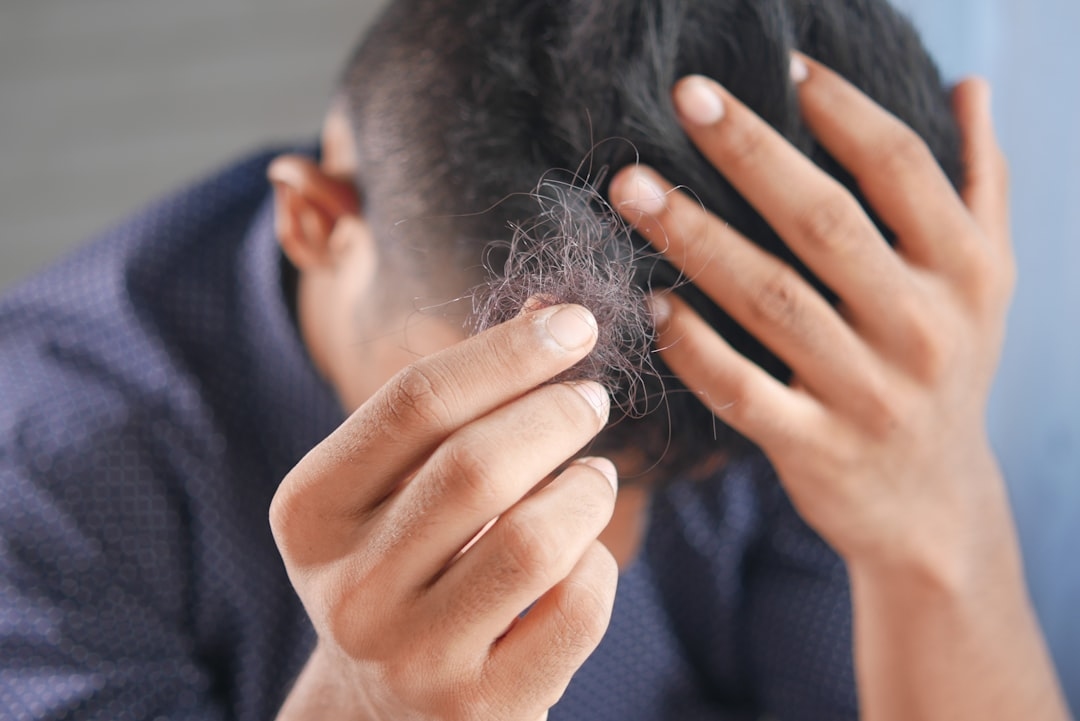
Radiotherapy uses high-energy radiation to kill cancer cells. The radiation damages the DNA of rapidly dividing cells, causing them to die. Hair follicles contain some of the fastest-dividing cells in the body—this is why they’re vulnerable to radiation damage.
Not all radiotherapy causes hair loss. Only radiation directed at or near the scalp triggers hair loss. Radiotherapy for breast cancer, abdominal cancer, or other non-head areas typically doesn’t affect scalp hair. Radiotherapy for head or neck cancer, brain tumours, or lymphomas that involve the neck and head area commonly causes significant hair loss.
The degree of hair loss depends on: the radiation dose, the specific area treated, whether chemotherapy is also being used, and individual factors like existing hair density and general health.
Types of Radiotherapy and Hair Loss Risk
External Beam Radiotherapy (EBRT)
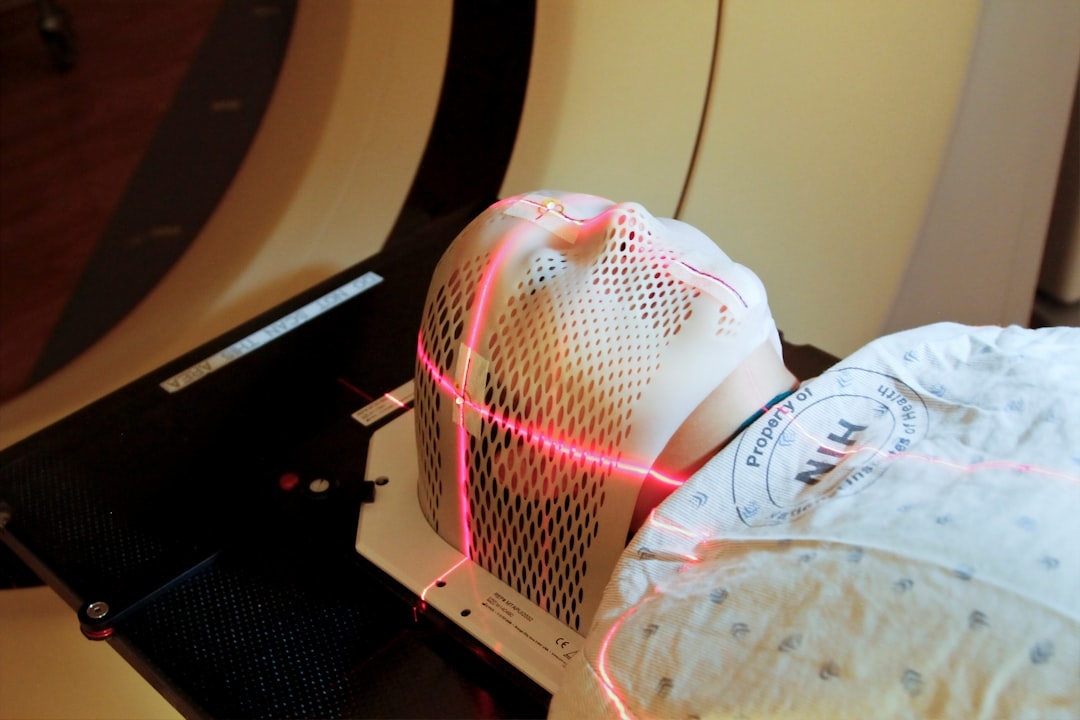
This is the most common form. Radiation is focused on a specific area from outside the body. If the treatment field includes the scalp, hair loss occurs in that area. The hair loss is temporary if the dose is moderate (below 45–50 Gray), and permanent if the dose exceeds 60 Gray. Most EBRT treatments for head and neck cancers use doses in the 50–70 Gray range, making hair loss a very common side effect.
Hair loss typically appears 2–3 weeks after treatment begins and progresses over 4–8 weeks. Most people notice significant shedding by week 4–6.
Stereotactic Radiosurgery (SRS)
SRS delivers a very high dose of radiation to a small, precisely defined area in a single session or a few sessions. Hair loss in the treated area is common but typically limited to that specific spot. The affected area might be 2–4 cm in diameter, creating a localised bald patch rather than widespread hair loss.
Whole Brain Radiotherapy (WBRT)
When treating brain tumours or metastatic disease affecting the brain, the entire brain receives radiation. This typically causes complete or near-complete scalp hair loss. Hair usually begins falling out 2–3 weeks into treatment.
Timeline: When Hair Loss Happens During Radiotherapy
- Week 1–2: No visible hair loss. Hair follicles are being damaged internally, but the visible shaft hasn’t shed yet.
- Week 3–4: Initial shedding begins. Most people notice excessive hair in the shower or on the pillow.
- Week 4–8: Progressive, sometimes dramatic hair loss. Most people lose 50–80% of scalp hair by week 6–8.
- Peak loss: By week 8–12, hair loss typically plateaus. Further shedding is minimal.
- Recovery (if temporary): For moderate-dose radiotherapy, hair regrowth begins 3–6 months after treatment ends. Full recovery takes 6–12 months.
- Permanent loss: High-dose radiotherapy (60+ Gray) causes permanent scarring alopecia, and regrowth is minimal or absent.
Regional Variations in Radiotherapy Practice (UK)
In London and Southeast England, major cancer centres offer integrated oncology support, including dermatology consultation about hair loss management during radiotherapy planning. Northern cancer centres (Manchester, Leeds) typically incorporate scalp cooling technology into treatment protocols when available. Scottish hospitals have been early adopters of scalp cooling technology, making it standard for eligible patients. This regional variation means access to hair loss prevention technology differs depending on where you’re treated.
Preventing or Reducing Hair Loss: Scalp Cooling
Scalp cooling (cryotherapy) is the most effective method to reduce radiotherapy-induced hair loss. The scalp is cooled to 15–24°C during and after radiation treatment. The cold constricts blood vessels, reducing radiation damage to hair follicles. This approach reduces hair loss by 40–70% in most patients.
However, scalp cooling has limitations: it doesn’t prevent all hair loss, it requires special equipment (not universally available in all NHS centres), it’s uncomfortable (headaches, scalp discomfort are common), and it adds 30–60 minutes to each treatment session.
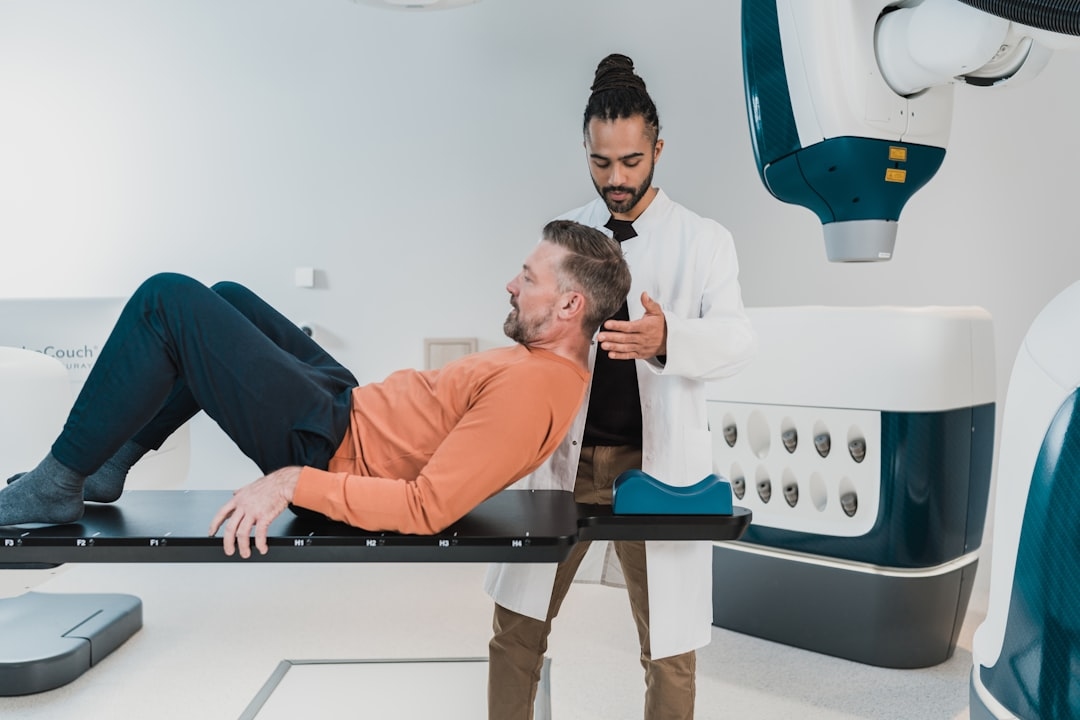
Scalp cooling is most effective for external beam radiotherapy to the head and neck. It’s less effective for whole brain radiotherapy because the cooling can’t adequately protect all scalp areas during such intensive treatment.
What the Pros Know
Oncology nurses and radiotherapy technicians recommend discussing hair loss openly during treatment planning. Asking specifically about scalp cooling availability, expected hair loss timeline, and whether your centre offers scalp cooling technology gives you agency in decision-making. Many people delay these conversations, wishing later they’d planned ahead. Early conversations (ideally during initial radiotherapy planning meetings) allow time to explore wigs, hats, scarves, or other options before hair loss begins. Psycho-oncology support is available through NHS cancer centres and can help manage the emotional impact of hair loss during treatment.
Practical Preparation and Management
Before Treatment Begins
- Get a professional haircut in a style you like in case you want to preserve this look by saving the hair in a wig (some people find this emotionally valuable).
- Explore wig options through NHS provision or private retailers. NHS provides one wig free to cancer patients in most regions; additional wigs cost £20–£200+ depending on quality and materials.
- Consider headscarves, hats, or head wraps as alternatives or complements to wigs.
- Consult your radiotherapy team about scalp cooling availability and whether you’re a suitable candidate.
- Discuss hair loss timeline so you can plan ahead emotionally and practically.
During Treatment
- Use a soft-bristled brush and handle hair gently to reduce mechanical loss beyond radiation-induced loss.
- Avoid heat styling, chemical treatments, or harsh hair products.
- Sleep on silk or satin pillowcases to reduce friction-related breakage.
- Keep the scalp clean but use gentle, fragrance-free shampoo.
- Protect the scalp from sun exposure with hats or high-SPF sunscreen.
After Treatment
- Continue gentle scalp care even after radiotherapy ends.
- For regrowth, avoid harsh treatments or styling during the first 3–6 months.
- Be patient: hair regrowth can be slow and regrown hair may initially look different in texture or colour.
Emotional and Psychological Impact
Hair loss during cancer treatment affects self-image and emotional wellbeing significantly. Many people describe hair loss as a visual reminder of illness and treatment. Acknowledging this emotional impact is important. NHS psycho-oncology teams and cancer support organisations (Macmillan Cancer Support, Cancer Research UK) provide counselling and support specifically addressing appearance changes during cancer treatment.
FAQs: Do You Lose Your Hair with Radiotherapy?
Q: Will I lose all my hair if I’m having radiotherapy?
A: Only if the radiotherapy targets your head or neck area. Radiotherapy to other body parts doesn’t affect scalp hair. If treatment includes the scalp, hair loss depends on dose and area size; complete loss isn’t inevitable.
Q: When does hair loss start with radiotherapy?
A: Most people notice hair loss beginning 2–3 weeks into treatment, with significant shedding by weeks 4–6. The timeline varies individually.
Q: Is hair loss from radiotherapy permanent?
A: Low to moderate-dose radiotherapy typically causes temporary hair loss; regrowth begins 3–6 months after treatment. High-dose radiotherapy (60+ Gray) can cause permanent scarring alopecia with minimal regrowth.
Q: Can scalp cooling prevent all hair loss?
A: No, but it reduces hair loss by 40–70% in most patients. It’s not universally available, requires special equipment, and adds time to each treatment session.
Q: How do I get a wig through the NHS?
A: Ask your oncology team or radiotherapy centre about NHS wig provision. Most NHS regions provide one wig free or at reduced cost. Private retailers offer additional options (£30–£200+).
Moving Forward During Treatment
Hair loss with radiotherapy is a common, expected side effect for certain treatment types, not a complication or failure. Planning ahead, discussing options with your radiotherapy team, and accessing psychological support transforms this side effect from something that happens to you into something you can prepare for and manage actively. Your hair loss is temporary in most cases, and your attention to scalp health during and after treatment optimises the recovery that follows.