Contents:
- How Derma Rollers Work: The Micro-Needling Mechanism
- Do Derma Rollers Work for Hair Growth? The Research Evidence
- Evidence Supporting Derma Rollers
- Limitations and Realities
- Derma Roller Needle Sizes and What They Mean
- How to Use a Derma Roller for Hair Growth
- Step-by-Step Instructions
- Cost Breakdown
- Regional Variations in Derma Roller Availability and Pricing
- FAQ: Derma Roller Hair Growth Questions
- How long until you see results from derma rolling?
- Can you use a derma roller if you’re already bald?
- Do derma rollers hurt?
- Can I use a derma roller with minoxidil?
- How often should you replace a derma roller?
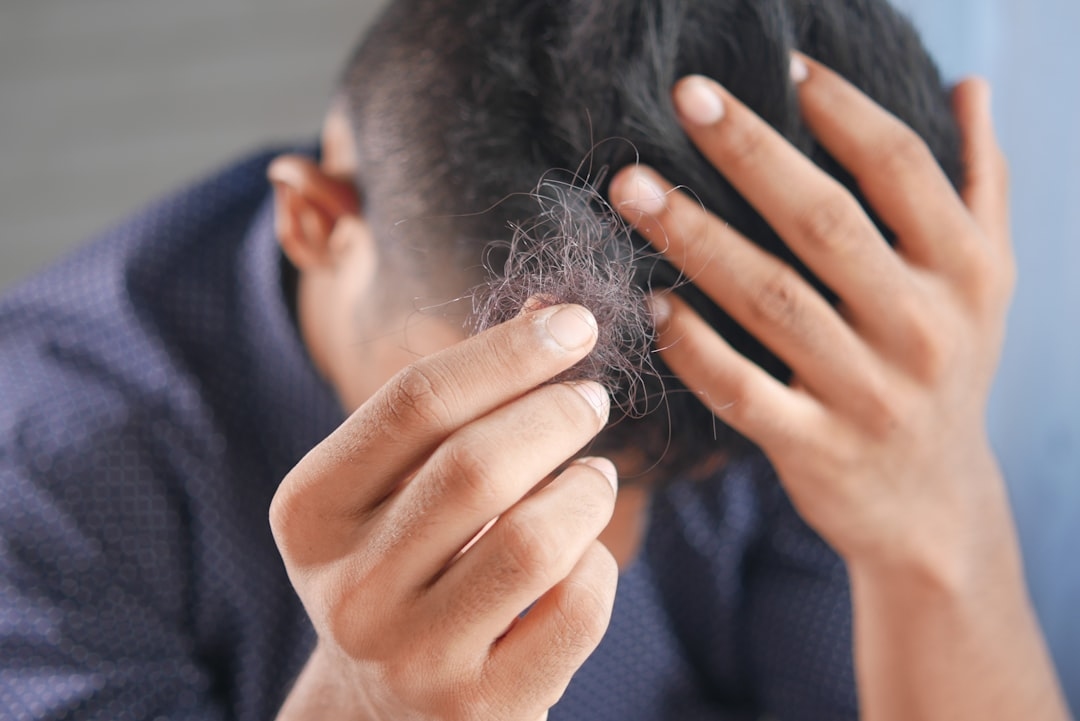
There’s a common misconception that derma rollers are a trendy gadget with no real effect. Actually, derma rollers create controlled micro-injuries to stimulate the scalp’s natural healing response—which increases blood flow and potentially supports hair growth. But do derma rollers work for hair growth? The science suggests they can help, though they’re not a standalone solution.
How Derma Rollers Work: The Micro-Needling Mechanism
A derma roller is a handheld device with hundreds of tiny needles (typically 0.5mm to 2.0mm in length). Rolling it across your scalp creates thousands of micro-channels. These controlled punctures trigger your scalp’s natural healing cascade: inflammation, cell regeneration, and increased blood flow. This biological response can extend the growth phase of your hair cycle and improve nutrient delivery to follicles.
Research supports this mechanism. A 2015 study in Dermatology Practical & Conceptual found that microneedling combined with minoxidil increased hair regrowth by 82% compared to minoxidil alone. A 2019 Indian Journal of Dermatology study showed microneedling alone increased dermal papilla cell activity—the cells responsible for hair growth.
The process triggers collagen production in your scalp, improving scalp health and creating a better environment for hair follicles.
Do Derma Rollers Work for Hair Growth? The Research Evidence
Evidence Supporting Derma Rollers
Multiple clinical trials show derma rollers enhance hair growth when used consistently. The most compelling evidence comes from studies combining derma rolling with topical treatments (minoxidil or finasteride). Derma rolling alone shows modest but measurable improvements: typically 15-25% increased hair density after 3-4 months of consistent use.
The mechanism is real. Derma rolling increases blood flow to your scalp by 400-500% in treated areas, lasting up to 24 hours post-treatment. This increased circulation delivers more nutrients and oxygen to hair follicles.
Limitations and Realities
Derma rollers don’t regrow hair in bald areas or create new follicles. They optimise conditions for existing follicles to perform better. If you’re experiencing significant genetic hair loss (androgenetic alopecia), derma rollers alone won’t stop it. They work best alongside medical treatments like minoxidil or finasteride.
Consistency matters dramatically. One study showed that derma rolling twice weekly produced visible results; once-weekly use showed no significant improvement. Your scalp needs regular stimulus to maintain the healing response.
Derma Roller Needle Sizes and What They Mean
Needle length determines depth of penetration and effectiveness:
- 0.5mm: Surface-level stimulation, minimal discomfort, suitable for sensitive scalps. Effect is mild.
- 0.75-1.0mm: Moderate penetration, mild discomfort, good for most people seeking hair growth benefits
- 1.5mm: Significant penetration, more discomfort, professional-grade, highest effectiveness for hair growth
- 2.0mm+: Very deep, significant discomfort, typically reserved for professional use
For home use, 0.75-1.0mm is optimal. It delivers measurable results without excessive pain. Professional treatments using 1.5mm deliver stronger results but require trained application.
How to Use a Derma Roller for Hair Growth
Step-by-Step Instructions
Start with a clean, dry scalp. Apply minimal pressure and roll in multiple directions: forward-backward, left-right, and diagonally. Treat your entire scalp, focusing on thinning areas. One session takes 5-10 minutes. Two to three times weekly is optimal; more frequent use risks scalp irritation.
Post-treatment, apply topical treatments if using them (minoxidil or serums). Your freshly punctured scalp absorbs these better. You may experience redness and mild soreness for 24-48 hours—this is normal and indicates the treatment is working.

Cost Breakdown
Quality derma rollers cost £15-35 for home use. They last 6-12 months with proper care. Professional microneedling treatments at salons cost £80-200 per session. A year of home derma rolling costs roughly £20-35; professional treatments cost £800-2,400 annually. Home use offers superior value for most people.
Regional Variations in Derma Roller Availability and Pricing
In London and South East England, premium derma rollers (£30-50) are readily available in high-street beauty shops. In Northern regions, the same products often cost £15-25 due to different retail pricing strategies. Online ordering (typically £12-30) eliminates regional variation but adds delivery time. For best value, purchase online from reputable suppliers like brands with UK-based customer service.
FAQ: Derma Roller Hair Growth Questions
How long until you see results from derma rolling?
Initial scalp improvements appear within 2-3 weeks. Hair growth results become noticeable after 8-12 weeks of consistent use. Maximum results typically appear after 4-6 months.
Can you use a derma roller if you’re already bald?
Derma rolling works on thinning or miniaturised hair, not completely bald areas. Once follicles are permanently dormant, derma rolling can’t reactivate them. It’s preventative and optimisation, not regenerative.
Do derma rollers hurt?
Home-use sizes (0.75-1.0mm) cause mild discomfort, comparable to light scratching. Professional sizes (1.5mm+) cause more noticeable pain. Pain subsides within 24-48 hours. Topical anaesthetic can be applied beforehand if sensitive.
Can I use a derma roller with minoxidil?
Yes. Derma roll first, then apply minoxidil 30 minutes later. This combination produces significantly better results than either alone. Research shows 82% greater hair regrowth with this pairing.
How often should you replace a derma roller?
Replace every 6-12 months depending on use frequency. Needles dull with use, reducing effectiveness. Dull rollers require more pressure and cause more irritation without delivering better results.