Contents:
- Celebrities Who Wear Wigs: Well-Documented Cases
- Jada Pinkett Smith
- Viola Davis
- Nicki Minaj
- Other Notable Cases
- Why Celebrities Wear Wigs Due to Hair Loss
- Alopecia and Genetic Hair Loss
- Damage from Professional Styling
- Medical Treatments and Chemotherapy
- Alopecia Areata
- Timeline: Celebrity Wig Normalisation (2024–2026)
- Expert Perspective on Celebrity Hair Loss Solutions
- Wig Solutions for Hair Loss: What’s Available
- Premium Human-Hair Wigs
- Synthetic Wigs
- Lace-Front Wigs
- Clip-In Hair Extensions vs. Full Wigs
- Frequently Asked Questions
- How many celebrities wear wigs due to hair loss?
- Is wearing a wig bad for your natural hair?
- How often do celebrities replace their wigs?
- Can you tell if someone is wearing a wig?
- Why are celebrities normalising wig-wearing?
Quick Answer Box: Many celebrities openly wear wigs or hairpieces due to hair loss from genetics, alopecia, chemotherapy, or styling damage. Notable examples include Jada Pinkett Smith (alopecia), Viola Davis, and others who’ve normalised hairpiece use in the public eye. Wigs are now considered professional styling tools, not shameful secrets.
Wigs have been cultural status symbols for centuries—from the elaborate wigs of 17th-century European courts to the glamorous styles of Hollywood’s golden age. Today’s celebrities wear wigs for practical reasons: hair loss from genetics, medical conditions, or damage. The normalisation of wig-wearing has shifted public perception entirely. What was once whispered about is now openly discussed as a styling choice and practical solution.
Many celebrities who wear wigs due to hair loss have become advocates for hair health awareness. Understanding which celebrities use hairpieces and why helps destigmatise hair loss and demonstrates that visible alternatives exist.
Celebrities Who Wear Wigs: Well-Documented Cases
Jada Pinkett Smith
Jada Pinkett Smith publicly discussed her alopecia diagnosis in 2022, revealing she’d been managing hair loss for years. She shaved her head on stage at the Oscars ceremony—a moment that sparked global conversation about hair loss in women. Since then, she’s openly discussed wearing wigs and hairpieces to protect her scalp and achieve desired styling. Her openness has encouraged millions of people with similar conditions to seek professional solutions.
Viola Davis
Viola Davis has shared in interviews that she wears wigs for film and television roles, partly due to damage from years of heat styling and partly due to personal hair loss concerns. She prioritises scalp health and views wigs as protective styling—a technique recommended by trichologists worldwide. Her willingness to discuss wig-wearing has normalised it within entertainment and beyond.
Nicki Minaj
Nicki Minaj has worn hairpieces and wigs throughout her career, initially as part of her artistic identity but also due to damage from early heat styling and chemical treatments. She’s described wigs as a creative tool allowing her to change appearance without damaging her natural hair. In interviews in 2024–2026, she’s been more open about using them for hair protection during intensive touring schedules.
Other Notable Cases
Cardi B, Rihanna, Beyoncé, and numerous other performers wear wigs or hairpieces regularly, some due to hair loss and others as styling choices. Cardi B has discussed using wigs to protect her natural hair during tour schedules. The entertainment industry has largely normalised wig-wearing as a professional necessity.
Why Celebrities Wear Wigs Due to Hair Loss
Alopecia and Genetic Hair Loss
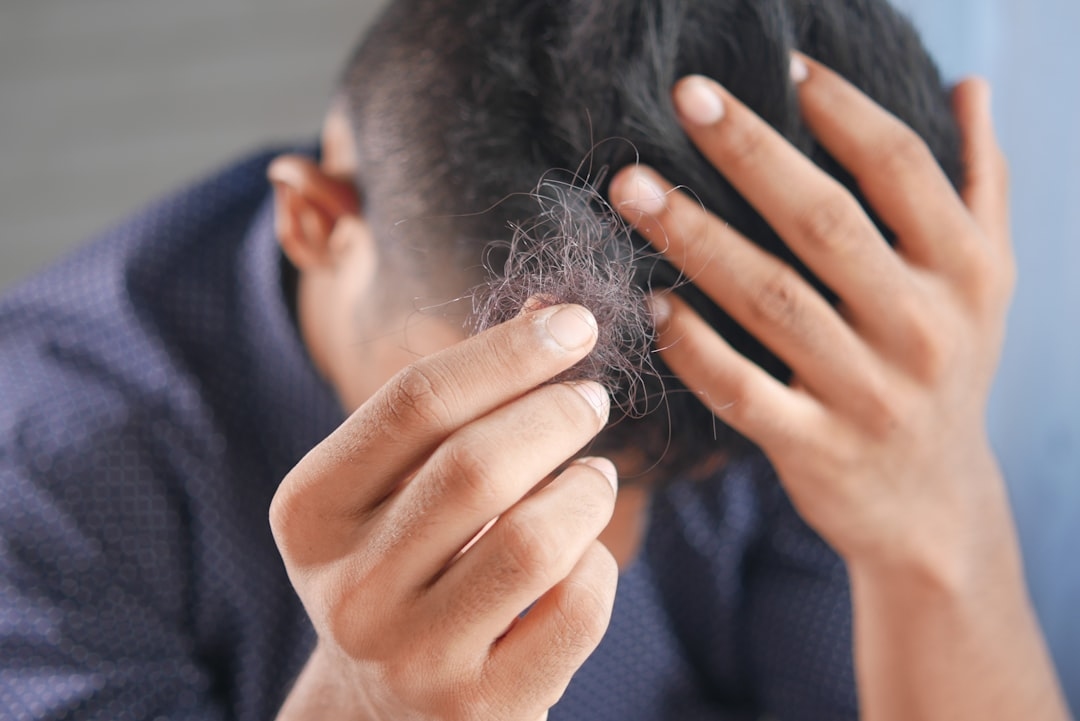
Female pattern baldness and alopecia affect approximately 40 million women in the UK and US combined. Celebrities aren’t exempt. Alopecia causes progressive hair loss that’s visible and often emotionally difficult. Wigs provide immediate confidence restoration whilst medical treatments take 6–12 months to show effect.
Damage from Professional Styling
Constant heat styling, chemical treatments, tight braids, and frequent colouring damage hair and accelerate hair loss. Performers, models, and public figures are subjected to intensive styling requirements. Wigs serve a protective function—allowing natural hair to rest and regrow whilst maintaining public appearance.
Medical Treatments and Chemotherapy
Some celebrities have publicly discussed hair loss from cancer treatment or other medical conditions. Wigs during chemotherapy are essential not just for appearance but for warmth, as hair loss includes eyebrows and eyelashes, and scalp becomes sensitive to cold.
Alopecia Areata
This autoimmune condition causes patchy hair loss. Several celebrities have discussed alopecia areata diagnoses publicly, and wigs are the most straightforward visible treatment whilst medical interventions take effect.
Timeline: Celebrity Wig Normalisation (2024–2026)
The public discourse around celebrity hair loss and wig-wearing has shifted dramatically in recent years:
- 2022: Jada Pinkett Smith’s public alopecia discussion becomes global news, sparking unprecedented conversation about women’s hair loss
- 2023: Multiple celebrities publicly discuss wig-wearing; entertainment industry begins openly using terms like “protective styling” and “hair health”
- 2024: Premium wig brands report 40% increase in sales as normalisation continues; celebrities openly feature wigs in styling
- 2025–2026: Wig-wearing becomes standard industry practice with no stigma; celebrities discuss it casually in interviews
This timeline shows rapid cultural shift. What was taboo 5 years ago is now routine discussion.
Expert Perspective on Celebrity Hair Loss Solutions
According to Marcus Wellington, a London-based trichologist and hair restoration specialist, “Celebrities have been ahead of the curve in normalising hair loss treatment and protective styling. What we’re seeing now is that public figures openly using wigs has encouraged regular people to seek solutions they might have hidden for years. The stigma has dropped dramatically. In 2026, asking someone whether they wear a wig is as unremarkable as asking about eyeglasses.”
Wellington adds: “Professional wigs have improved tremendously. High-quality human-hair wigs (£300–£1,500) are virtually indistinguishable from natural hair. Celebrities invest in premium pieces, but affordable options exist for everyone. The key is finding a skilled wig fitter who understands your hair type and lifestyle.”
Wig Solutions for Hair Loss: What’s Available
Premium Human-Hair Wigs
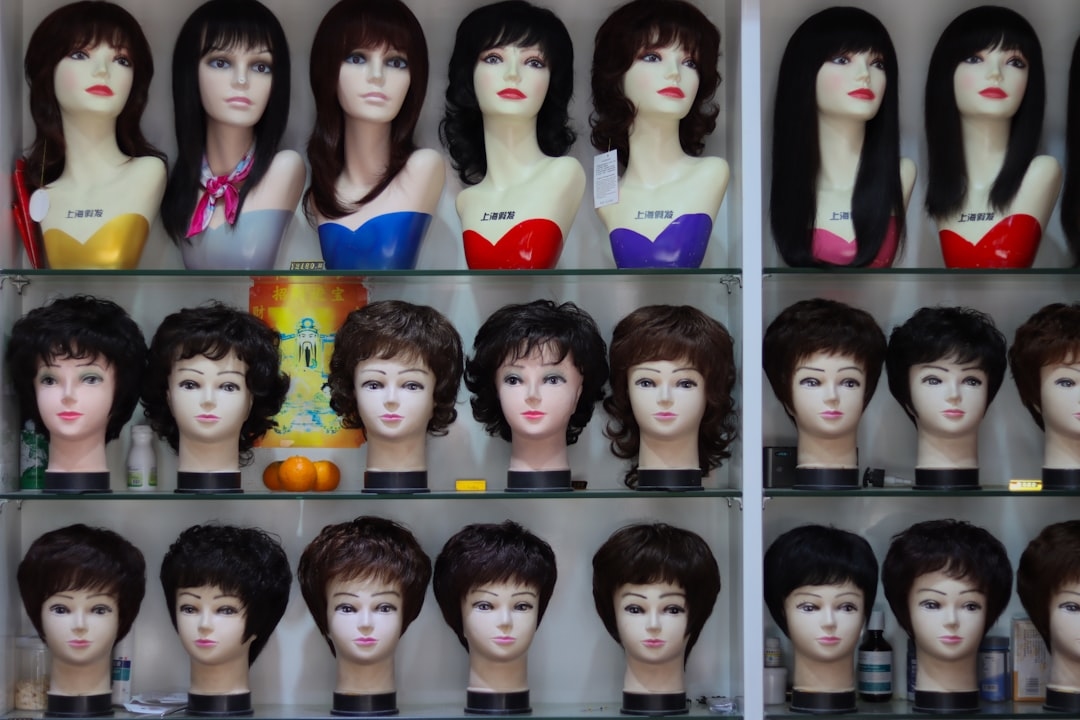
These cost £400–£2,000+ and are made from real human hair, allowing styling flexibility. They look most natural but require professional maintenance (£40–£80 quarterly). Celebrities typically wear these for public appearances.
Synthetic Wigs
Available at £80–£300, synthetic wigs hold style without styling but can look less natural on very close inspection. They’re low-maintenance and excellent for beginners or those testing wigs before investing in human hair.
Lace-Front Wigs
These feature a sheer lace at the front, creating an invisible hairline. They cost £250–£1,200 and are popular with performers because they appear completely natural. Celebrities often wear lace-front wigs for events.
Clip-In Hair Extensions vs. Full Wigs
Clip-ins (£40–£300) work for people with existing hair who want added volume. Full wigs (£80–£2,000) are necessary for significant hair loss. Celebrities often use both depending on the styling situation.
Frequently Asked Questions
How many celebrities wear wigs due to hair loss?
Exact numbers are impossible to verify because not all celebrities publicly discuss it. However, industry estimates suggest 30–40% of high-profile performers use wigs regularly, whether due to hair loss or professional necessity. Many more wear them occasionally without publicly discussing it.
Is wearing a wig bad for your natural hair?
No, when worn correctly. Wigs actually protect natural hair from heat, chemicals, and friction—all of which cause damage. Wear wig caps to distribute pressure evenly, and limit wig-wearing to 6–8 hours daily. Many trichologists recommend wigs for people with hair loss or damage as part of a protective styling routine.
How often do celebrities replace their wigs?
Premium human-hair wigs last 18–24 months with proper care. Celebrities often replace them more frequently (every 12 months) because they’re worn more intensively. Synthetic wigs last 4–6 months. Professional maintenance costs add up, which is why celebrities often own multiple wigs.
Can you tell if someone is wearing a wig?
Professional wigs at the £600+ price point are nearly impossible to detect. The key signs to look for in lower-quality wigs are: visible hairline texture, uniform shine (real hair has varying shine levels), and stiffness. High-quality wigs blend seamlessly, which is why celebrities’ wig-wearing often goes unnoticed by fans.
Why are celebrities normalising wig-wearing?
Celebrities wear wigs due to hair loss, and public discussions about their experiences have reduced stigma significantly. By openly discussing alopecia and wig solutions, celebrities have transformed wigs from perceived concealments into respected hair health solutions. This normalisation has encouraged millions of people to seek professional help for hair loss rather than suffering silently.