Contents:
- The Transplanted Hair Shedding Cycle Explained
- Weeks 1–2: Graft Establishment
- Weeks 2–3: Shock Loss (Temporary Shedding)
- Weeks 4–12: Dormancy Phase
- Weeks 12–24: Regrowth Phase
- Shock Loss vs. Permanent Graft Failure
- Shock Loss (Normal)
- Permanent Graft Failure (Abnormal)
- Why Can Transplanted Hair Fall Out? The Science
- Seasonal Considerations and Timeline (2026 Context)
- Expert Insight on Transplant Durability
- Protecting Your Investment: Post-Op Care Prevents Hair Loss
- Weeks 1–2: Strict Protection
- Weeks 2–4: Gentle Care During Shock Loss
- Months 2–3: Normalisation
- Months 4+: Maintenance
- Cost Implications: Investing in Quality to Prevent Failure
- Sustainability Perspective: Planning for Longevity
- Frequently Asked Questions
- Is shock loss permanent?
- How much transplanted hair falls out after surgery?
- Can you prevent transplanted hair falling out?
- When does transplanted hair stop falling out?
- What percentage of transplanted hair survives long-term?
Hair transplantation has been performed for over 70 years, yet a persistent question haunts patients: will my transplanted hair fall out? The answer is complex and somewhat counterintuitive. Transplanted hair absolutely can fall out in the months immediately following surgery—but this is temporary and expected, not a sign of failure. Understanding the transplant growth cycle allows you to distinguish normal shedding from actual graft failure.
Can transplanted hair fall out? Yes, but the context matters enormously. Most transplanted hair enters a shock phase 2–3 weeks post-op where it temporarily sheds. This isn’t permanent loss—the follicle remains viable beneath the scalp and regrows 3–4 months later. Permanent graft failure is rare (2–5%) when performed by qualified surgeons at accredited UK clinics.
The Transplanted Hair Shedding Cycle Explained
Transplanted hair doesn’t follow a normal growth cycle because the extraction process interrupts its natural rhythm. When a surgeon extracts a follicle and implants it elsewhere, the follicle enters dormancy temporarily. This dormancy triggers hair shedding that confuses patients who expect immediate permanent results.
Weeks 1–2: Graft Establishment
The transplanted grafts are in critical condition. The follicles are establishing blood supply connections to their new location. No shedding occurs yet; the transplanted hair remains firmly in place. This is the most delicate period—physical trauma, sweat, and manipulation can dislodge grafts. Surgeons strictly forbid touching the transplant area during this window.
Weeks 2–3: Shock Loss (Temporary Shedding)
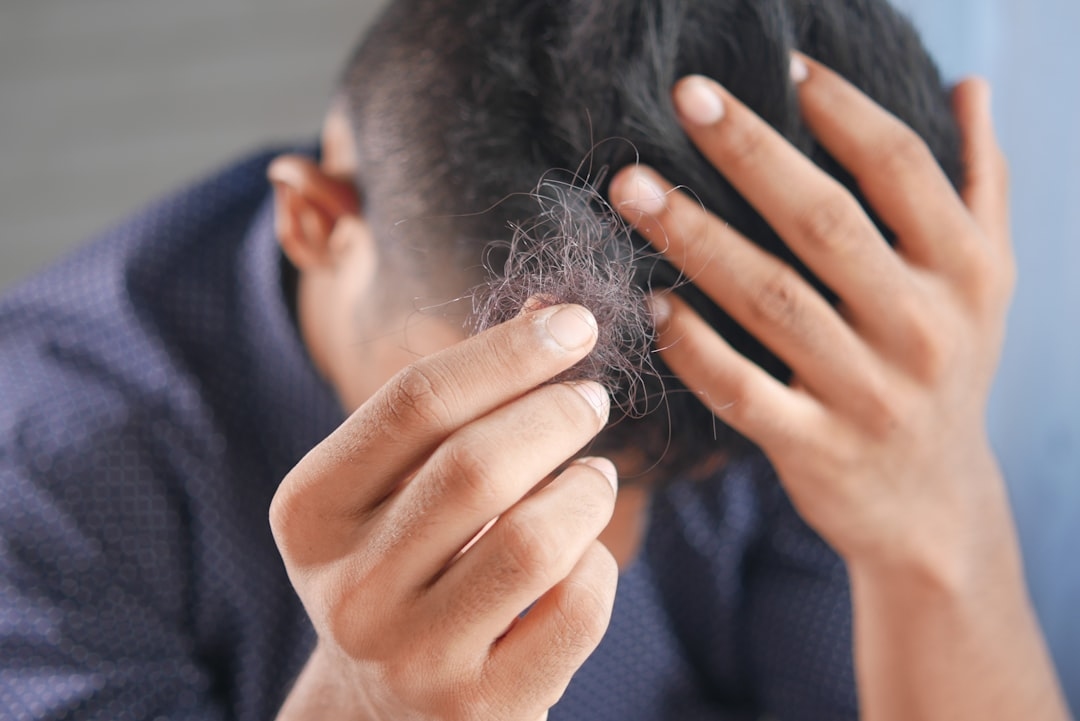
Approximately 70–80% of transplanted hair sheds within this window. This is called “shock loss” and is completely normal. The transplanted hair shaft detaches from the follicle, but the follicle itself remains viable beneath the scalp. This shedding occurs because the extraction process causes temporary trauma to the follicle, triggering it to release the hair shaft and enter a dormancy phase.
Shock loss is distressing for patients who were expecting immediate full results. However, it’s actually a sign that grafts are integrating properly. Clinics that report zero shock loss are suspicious—either they’re not extracting enough grafts or the data is unreliable.
Weeks 4–12: Dormancy Phase
The transplanted follicles rest beneath the scalp. Externally, you see nothing—no new hair growth, but also no additional shedding. Internally, the follicles are establishing permanent blood supply connections. This phase lasts 8–10 weeks on average.
Weeks 12–24: Regrowth Phase
Transplanted follicles begin producing new hair around the 3–4 month mark. Growth starts slowly—you might see fine, wispy hairs initially. By month 6, approximately 80% of transplanted follicles produce visible hair. By month 12, regrowth appears fully established with mature hair texture and density.
Shock Loss vs. Permanent Graft Failure
Shock Loss (Normal)
Temporary shedding of transplanted hair shafts 2–3 weeks post-op. The follicle remains intact beneath the scalp. Hair regrows 3–4 months later. Affects 60–80% of transplanted hairs. Completely reversible.
Permanent Graft Failure (Abnormal)
The follicle dies and doesn’t produce hair. This can occur due to surgeon error, poor post-op care, or rare biological rejection. Affected grafts never regrow. Permanent failure affects 2–5% of grafts in quality procedures. Once a graft dies, it cannot be recovered—you’d need additional transplants to fill those areas.
Distinguishing these two during the dormancy phase is impossible. You won’t know which grafts failed until the regrowth phase (months 3–4) when other grafts start producing hair and failed grafts show no activity.
Why Can Transplanted Hair Fall Out? The Science
Transplanted hair falls out because of surgical trauma and follicle response. When a surgeon extracts a follicle, the surrounding tissue is temporarily damaged. The follicle responds to this trauma by entering telogen phase (rest/shedding phase)—a natural protective mechanism. The hair shaft is released so the follicle can focus on healing and reestablishing blood supply.
This is not defective; it’s the follicle’s normal response to trauma. Follicles in the donor area also shed temporarily after extraction. Some donor-area hair sheds for 2–3 weeks post-op for the same reason.
Seasonal Considerations and Timeline (2026 Context)
Hair loss occurs seasonally. If you have your transplant in spring (March–May) when natural shedding is higher, shock loss appears more dramatic because you’re shedding both natural hair and transplanted hair simultaneously. Planning transplants for autumn (September–November) or winter (December–February), when natural shedding is lower, minimises the emotional impact of shock loss.
Timeline reference: a transplant performed in April 2026 would show regrowth around July–August 2026. A transplant in October 2026 would show regrowth around January–February 2027, when winter dry scalp conditions make fine new growth less visible.
Expert Insight on Transplant Durability
According to Dr. Sarah Chen, a consultant trichologist at Imperial College’s hair clinic, “Transplanted hair falls out temporarily, and this is entirely predictable. Patients who understand shock loss are much less anxious about their results. The hair that regrows after the dormancy phase is typically permanent—it should last your lifetime because you’re moving follicles to locations where they’re genetically resistant to the hair loss that caused your baldness initially. The transplants rarely fail if the procedure was done correctly.”
Chen adds: “The biggest mistake patients make is panicking during shock loss and stopping post-op care. They assume it’s failed and neglect the scalp, which actually increases permanent failure risk. Proper care during dormancy—protecting the scalp, maintaining hygiene, avoiding trauma—maximises graft survival.”
Protecting Your Investment: Post-Op Care Prevents Hair Loss
Weeks 1–2: Strict Protection
Don’t touch, scratch, or manipulate the transplant area. Sleep on your back if possible. Avoid sweating (no exercise). Avoid swimming and showers (use gentle water rinses only). These precautions prevent dislodging grafts during critical establishment phase.
Weeks 2–4: Gentle Care During Shock Loss
Shock loss is occurring, but your care routine remains important. Use gentle shampoo (clinic-provided or mild), apply it with fingertip massage only—no harsh rubbing. Avoid heat styling and tight hairstyles. Avoid chlorinated water and pools.
Months 2–3: Normalisation
You can resume normal activities (exercise, swimming, regular showering). The transplant area is now stable. However, continue avoiding unnecessary trauma and tight hairstyles.
Months 4+: Maintenance
As hair regrows, continue protecting it. Use gentle brush strokes, avoid excessive heat, and maintain general hair health through nutrition and hydration.
Cost Implications: Investing in Quality to Prevent Failure
Graft failure rates vary dramatically by clinic:
- Budget clinics (£3,000–£4,500): 8–15% graft failure rate
- Mid-range clinics (£5,000–£7,000): 3–6% graft failure rate
- Premium clinics (£8,000–£12,000): 1–3% graft failure rate
A 10% difference in failure rate might seem small, but on 2,000 grafts, that’s 200 additional failed grafts requiring re-transplantation (adding £2,000–£4,000 to your total cost). Quality upfront saves money and disappointment long-term.
Sustainability Perspective: Planning for Longevity
Hair transplants are a one-time biological intervention with lifelong results, making them surprisingly sustainable compared to ongoing treatments (medications, hairpieces). A £6,000 transplant that lasts 20+ years costs less per year than monthly medications or annual wig replacements. From a sustainability standpoint, transplants reduce consumption and waste compared to alternatives—you’re not purchasing products monthly or annually.
Frequently Asked Questions
Is shock loss permanent?
No. Shock loss (temporary shedding of transplanted hair 2–3 weeks post-op) is completely reversible. The follicle remains viable and regrows hair 3–4 months later. If a graft doesn’t regrow by month 6 post-op, that specific graft has failed permanently—but most grafts do regrow.
How much transplanted hair falls out after surgery?
Approximately 70–80% of transplanted hairs shed temporarily during shock loss (weeks 2–3). This looks alarming but is normal. The follicles remain intact and regrow. If more than 90% sheds or shedding continues beyond week 4, contact your clinic—this might indicate abnormal graft failure.
Can you prevent transplanted hair falling out?
You can’t prevent shock loss—it’s a biological response that occurs in most patients. However, proper post-op care minimises permanent graft failure, which would be actual hair loss. Avoid trauma, follow hygiene protocols, and protect the scalp during dormancy phase.
When does transplanted hair stop falling out?
Shock loss stops around week 4 post-op. After that, the dormancy phase begins (no visible shedding, no visible growth). The regrowth phase starts month 3–4, when new hair begins growing from the transplanted follicles. By month 6–8, most grafts produce visible hair and shedding patterns normalise to typical hair growth cycles.
What percentage of transplanted hair survives long-term?
At quality UK clinics, 95–98% of transplanted grafts survive long-term (beyond year 1). Once a graft survives the first 6 months, it typically lasts your lifetime because you’re transplanting follicles that are genetically resistant to the pattern hair loss causing your baldness. Graft survival depends heavily on surgical technique and post-op care.