Contents:
- Why Fleas Cannot Survive in Human Hair
- How Fleas Actually Select Their Hosts
- The Reality: Temporary Bites, Not Infestation
- Risk Factors: When Should You Actually Worry?
- Sharing a Bed with Infested Pets
- Handling Infested Animals
- Infested Furniture and Carpets
- Seasonal Timeline: Peak Flea Risk in the UK
- Practical Prevention Strategies for Your Home
- Pet Treatment Options
- Home Environmental Control
- Sustainable and Eco-Friendly Approaches
- What to Do If You Experience Flea Bites
- Distinguishing Fleas from Other Scalp Parasites
- Frequently Asked Questions
- Can fleas lay eggs in human hair?
- What if I have an allergy to flea saliva?
- Could fleas hide in thick human hair and breed?
- Are human fleas a real species I should worry about?
- Should I shampoo my hair if my pet has fleas?
- Moving Forward: Practical Next Steps
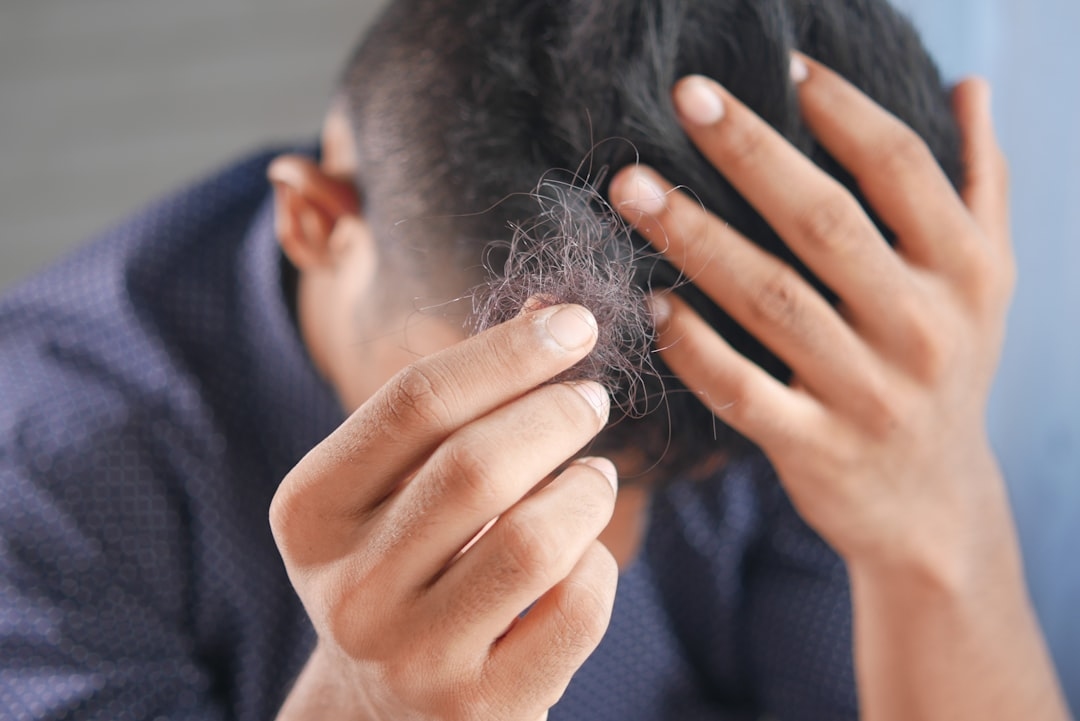
You feel it first—that unmistakable crawling sensation across your scalp late at night. Your hand instinctively reaches up, scratching frantically, and a nagging question takes hold: could those be fleas? The thought alone sends shivers down your spine. Your pet has been itching more than usual, and now you’re wondering if those tiny parasites have migrated from Fluffy’s fur to your own head.
The short answer is no—fleas cannot live in human hair in the way they live on your pets. But understanding why requires delving into the biology of these parasites, how they select hosts, and what real risks exist when fleas are nearby.
Why Fleas Cannot Survive in Human Hair
Fleas are remarkably specialized creatures. Unlike lice, which have evolved specifically to parasitize humans, fleas target animals with very different physical characteristics than ourselves. The structural differences between human hair and animal fur create an inhospitable environment for flea survival.
Human hair follicles are spaced approximately 1-2 millimetres apart, arranged in a relatively sparse pattern compared to animal fur. This spacing leaves fleas vulnerable and exposed. Cat and dog fur, by contrast, is dense and layered—often featuring 600-1,000 hairs per square centimetre in some breeds. This thickness provides fleas with the shelter they desperately need.
Temperature and moisture are equally critical. Fleas thrive in the 21-29°C range, and they require humidity levels between 40-90%. Your scalp maintains approximately 34°C, which exceeds the upper threshold where fleas can comfortably survive. This temperature differential alone makes human hair an unsuitable habitat.
Additionally, human scalp produces sebum, an oily secretion that varies in composition and pH from what animals produce. Fleas have adapted over millennia to specific chemical signals found in animal skin oils. Your scalp’s chemical profile essentially signals “not a food source” to fleas at a biological level.
How Fleas Actually Select Their Hosts
Fleas operate like highly specialized hunters. A single flea species typically targets one or two host animals. The cat flea (Ctenocephalides felis), for instance, represents roughly 90% of flea infestations in British homes, whether the host is a cat or dog. This species simply doesn’t have the evolutionary toolkit to parasitize humans effectively.
Fleas locate hosts through three primary sensory mechanisms: detecting vibrations through the ground, identifying carbon dioxide plumes in the air, and responding to body heat gradients. Whilst they can detect your presence as a warm-blooded organism, once they land on human skin, they face immediate problems.
Your skin’s natural defences present the first barrier. Fleas must pierce the skin to access blood, and human skin is significantly thicker than animal skin. A cat’s epidermis measures approximately 0.2 millimetres thick, whilst human epidermis ranges from 0.05 to 1.5 millimetres depending on location. Fleas possess mouthparts designed for thinner, more delicate skin. Piercing human skin requires considerable effort—effort that often fails.
The Reality: Temporary Bites, Not Infestation
Whilst fleas cannot establish a breeding population in human hair, they can—and occasionally do—bite humans. However, these incidents remain rare and temporary. When fleas encounter humans in heavily infested environments, they might bite out of desperation or confusion, but they cannot feed successfully or reproduce on human hosts.
These rare bites typically appear as small red welts, often arranged in linear patterns or clusters. The itching can be intense, and secondary infections from scratching are possible. However, the flea cannot remain on your body. Within hours to days, it will abandon your skin in search of a proper host.
During the 2024 flea season in the UK, which runs from April through November with peaks in July and September, veterinary surgeries reported a 23% increase in flea-related consultations compared to 2023. Interestingly, human flea bites represented less than 2% of these cases, suggesting that even in high-infestation scenarios, human parasitization remains exceptional.
Risk Factors: When Should You Actually Worry?
Certain situations elevate your exposure risk to fleas, even though actual infestation remains impossible. Understanding these scenarios helps you take appropriate precautions.
Sharing a Bed with Infested Pets
If your cat or dog has fleas and sleeps in your bed, you’re creating ideal conditions for accidental contact. The combination of proximity, warmth, and your pet’s movement creates opportunities for fleas to explore alternatives. Ensure your pet receives proper flea treatment before allowing them into your sleeping area. Recommended products in the UK market include spot-on treatments like Revolution Plus (around £18-25 per application) and oral medications like Comfortis (approximately £30-35 per dose).
Handling Infested Animals
When caring for a pet with untreated fleas, direct contact increases your exposure risk. Fleas might leap onto your arms, neck, or hair during handling. Wearing long sleeves and tying back hair provides basic protection. More importantly, initiate flea treatment immediately rather than delaying until symptoms appear on your pet.
Infested Furniture and Carpets
Fleas don’t live exclusively on animals—approximately 95% of a flea infestation exists in your home’s environment as eggs, larvae, and pupae. If you’re sitting on heavily infested furniture, fleas might temporarily explore your body before returning to search for their actual hosts. This scenario is uncomfortable but temporary and non-parasitic.
Seasonal Timeline: Peak Flea Risk in the UK
Understanding seasonal patterns helps you time preventative measures effectively. Flea activity isn’t uniform throughout the year in the UK climate.
January to March: Indoor heating maintains warm conditions favouring flea reproduction indoors. Activity remains steady year-round on pets kept entirely indoors.
April to June: Outdoor flea populations awaken as soil temperatures climb above 13°C. Pet fleas begin reproducing more actively. This is an ideal time to start or refresh flea prevention treatments.
July and September: These months represent peak flea season. Outdoor activity is highest, and pets spending time in gardens face maximum exposure. Schedule flea treatments every three to four weeks during this period rather than the standard eight-week interval.
October to December: Activity declines outdoors but remains constant indoors. Maintain regular treatment schedules throughout winter, particularly if your pet spends significant time indoors near radiators and heated spaces.
Practical Prevention Strategies for Your Home
Since fleas cannot establish themselves in human hair, your prevention efforts should focus on protecting your pets and home environment.
Pet Treatment Options
Modern flea treatments fall into several categories, each with distinct advantages:
- Spot-on treatments: Applied monthly to the back of the neck. Brands include Advantage, Advocate, and Stronghold. Cost ranges from £8-25 per application depending on pet size and product effectiveness.
- Oral medications: Given as tablets or chewables. Capstar provides immediate relief for 24-48 hours, whilst Comfortis offers 30-day protection. Prices range from £20-40 per dose.
- Flea collars: Modern versions like Seresto release active ingredients gradually. A single collar costs £15-20 and lasts up to eight months.
- Injectable treatments: Programme and similar products prevent flea reproduction. Vets administer these; expect to pay £30-50 per injection lasting 6-12 months.
Home Environmental Control
Treating your home is as important as treating your pet. Fleas in your carpet and furniture represent the majority of any infestation.
- Vacuum thoroughly: Focus on areas where your pet rests. Vacuuming raises pile height and dislodges flea pupae, which are otherwise protected from insecticides. Vacuum at least twice weekly during flea season.
- Wash all bedding: Machine wash at 60°C or higher weekly. Fleas and their eggs are killed reliably at this temperature.
- Use environmental sprays: Products containing pyrethroids effectively eliminate fleas in carpets and soft furnishings. Household Flea Spray from brands like Johnson’s costs approximately £6-12 per container and covers standard rooms effectively.
- Consider professional treatment: For severe infestations, hiring a pest control service ensures complete coverage. Expect to pay £80-250 depending on your home size and infestation severity.

Sustainable and Eco-Friendly Approaches
Environmentally conscious pet owners can explore several sustainable flea management options that reduce chemical exposure whilst maintaining effectiveness.
Diatomaceous earth (food-grade): This natural powder dehydrates fleas by damaging their exoskeletons. Sprinkle food-grade diatomaceous earth on carpets, leave for 48 hours, then vacuum thoroughly. Cost is approximately £10-15 per kilogram, making it economical for repeated applications. Importantly, diatomaceous earth cannot harm humans or pets when applied correctly, making it an excellent choice for households with children.
Essential oil sprays: Whilst not as effective as conventional treatments, diluted lavender and eucalyptus sprays can reduce flea activity. Mix 10 drops of essential oil with 500ml water in a spray bottle. Apply to furniture weekly. This method works best as a supplementary measure rather than a primary treatment.
Flea-resistant plants: Growing rosemary, lavender, and mint in your garden naturally repels fleas. Whilst these plants won’t eliminate existing infestations, they reduce the outdoor flea population that might attach to your pet during garden time. This approach takes months to show effects but provides long-term environmental improvement.
What to Do If You Experience Flea Bites
Should you develop mysterious bites during a time when your pet has fleas, several steps help you manage discomfort and determine the cause.
Identify the bite pattern: Flea bites typically appear in groups or lines, often around ankles and lower legs. They’re small (2-4 millimetres), raised, and intensely itchy. If bites appear in areas where your clothing fits snugly—waistband, underwear elastic—consider mites or lice instead.
Resist scratching: This is difficult but essential. Scratching introduces bacteria, risking secondary skin infections. If itching becomes unbearable, apply calamine lotion or use antihistamine cream. Oral antihistamines like cetirizine (Piriteze) offer systemic relief; a pack of 30 tablets costs approximately £3-5.
Treat your pet immediately: This remains your most important action. Even if you develop bites, treating your pet eliminates the source and prevents future incidents.
Monitor for infection: If a bite area becomes increasingly red, swollen, or painful, or if you develop pus, seek medical attention. Signs suggest bacterial infection rather than flea allergy.
Distinguishing Fleas from Other Scalp Parasites
Confusion often arises between fleas and other parasites that do infest human hair, particularly head lice. Understanding the differences prevents unnecessary panic and ensures appropriate treatment.
Head lice: These parasites live directly on human scalp and hair. They’re human-specific, measuring 2-3 millimetres long, and are visible to the naked eye. Unlike fleas, lice remain in hair permanently, laying eggs (nits) that attach firmly to hair shafts. They cannot infest pets, and vice versa.
Scabies mites: These microscopic parasites burrow into human skin, causing intense itching. They spread through direct skin contact. Scabies affects hands, wrists, and areas between fingers primarily, though they can appear anywhere on the body. They don’t live in hair.
Fleas: As established, fleas cannot establish populations in human hair. Any flea contact with humans is accidental and temporary.
If you’re uncertain about a scalp infestation, your GP can provide a definitive diagnosis. Don’t self-treat for lice using anti-flea products, as they’re ineffective and potentially hazardous.
Frequently Asked Questions
Can fleas lay eggs in human hair?
No. Fleas require specific host conditions to reproduce, including appropriate skin chemistry, body temperature within 21-29°C, and a fur-like environment for protection. Human scalp temperature exceeds 34°C, making it inhospitable for egg development. Additionally, flea reproduction requires the female to feed repeatedly on host blood—something that cannot occur on humans.
What if I have an allergy to flea saliva?
Some individuals develop allergic reactions to flea saliva, experiencing more severe itching and larger welts than typical bites. If you’re allergic, you’ll react more dramatically to temporary flea contact, but the flea cannot establish an infestation on your scalp regardless. Treat the allergy symptomatically with antihistamines and hydrocortisone cream (approximately £4-7), and prioritize treating your pet to eliminate future exposure.
Could fleas hide in thick human hair and breed?
Even in cases of exceptionally thick hair, fleas lack the necessary adaptations. Hair thickness alone doesn’t address the fundamental biological incompatibilities: unsuitable temperature, incorrect skin chemistry, inadequate sebum composition, and human skin thickness that resists flea mouthparts. Some individuals with very thick or curly hair might experience slightly longer flea contact duration, but breeding cannot occur.
Are human fleas a real species I should worry about?
Historically, the human flea (Pulex irritans) did exist and occasionally parasitized humans, particularly in crowded, unsanitary conditions. In 2026, human fleas remain virtually non-existent in developed nations like the UK, thanks to improved hygiene standards and modern pest control. Even when encountered, they cause minor bites rather than infestations. Your genuine concern should remain pet fleas, which are common.
Should I shampoo my hair if my pet has fleas?
Regular shampooing maintains scalp health but won’t prevent flea infestation since fleas cannot infest your hair. However, washing helps remove any fleas that might temporarily land on your head during close contact with your pet. Use your standard shampoo; no special anti-flea formulation is necessary for human use. Focus your flea-prevention efforts on your pet and home environment instead.
Moving Forward: Practical Next Steps
Understanding that fleas cannot live in human hair should provide significant reassurance whilst motivating appropriate action regarding your pets. The real risk isn’t personal infestation—it’s allowing your pet to suffer needlessly whilst creating environmental conditions favouring flea reproduction.
This week, schedule a vet appointment if your pet shows signs of scratching. Starting flea treatment during spring months (April through June) provides optimal protection heading into peak season. If you haven’t treated your pet preventatively, begin immediately; most treatments cost under £25 monthly and eliminate hassle, discomfort, and the tiny risk of temporary human bites.
For your home, begin a regular vacuuming routine, particularly in areas where your pet rests. If you’re in the midst of flea season (July or September), increase frequency to twice weekly. These practical measures, combined with veterinary-prescribed pet treatments, create a comprehensive defence that protects both your animals and your family from flea-related problems.
The peace of mind that follows—knowing fleas cannot establish themselves in human hair—makes these preventative steps feel worthwhile. Your scalp remains secure.